

The ongoing hearing in the Allahabad High Court regarding the intervention of the National Human Rights Commission (NHRC) in government-aided madrasas in Uttar Pradesh has sparked a fresh debate over the Commission’s constitutional role, jurisdiction, and institutional accountability. Following the court’s recent observations, questions have intensified over whether the NHRC is exceeding its statutory mandate by intervening in administrative and criminal matters.
The matter relates to directions issued by the NHRC asking the Economic Offences Wing (EOW) to take action and investigate alleged financial and administrative irregularities in government-aided madrasas. During the hearing, the Allahabad High Court raised serious concerns about whether the Commission can order such investigations in the absence of a clear element of human rights violation. The court indicated that the role and jurisdiction of the Commission under the Protection of Human Rights Act, 1993, must be clearly understood and defined.
Legal experts believe that if human rights institutions begin functioning as administrative or criminal investigative agencies, institutional boundaries could become blurred. The debate is not limited to madrasas alone, but is linked more broadly to the question of how far constitutional institutions should go within a democratic framework.
Meanwhile, human rights organizations and social groups have also expressed concern over the Commission’s “selective activism.” Referring to what critics describe as slow or inadequate responses in cases of mob lynching, communal violence, and attacks targeting vulnerable communities in recent years, they have questioned whether human rights institutions are demonstrating equal sensitivity and urgency in all matters. According to them, when expected action is lacking in serious cases involving life and liberty, but administrative investigations receive swift attention, it naturally raises concerns about institutional impartiality.
Observers also consider it significant that differing viewpoints emerged within the judicial bench during the hearing. According to analysts, this reflects the sensitivity of the issue and suggests that any final decision will come only after extensive legal arguments and constitutional interpretation.
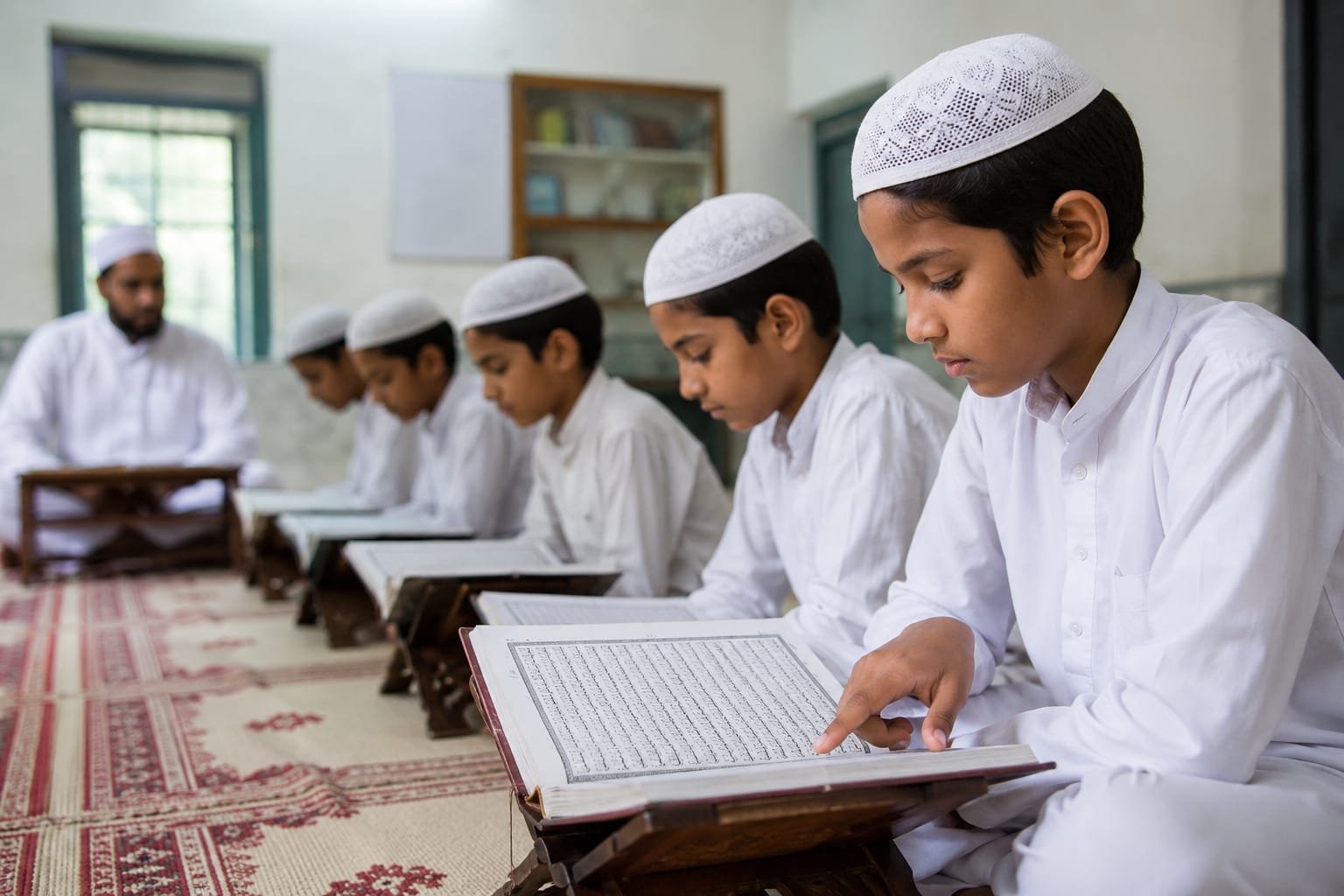
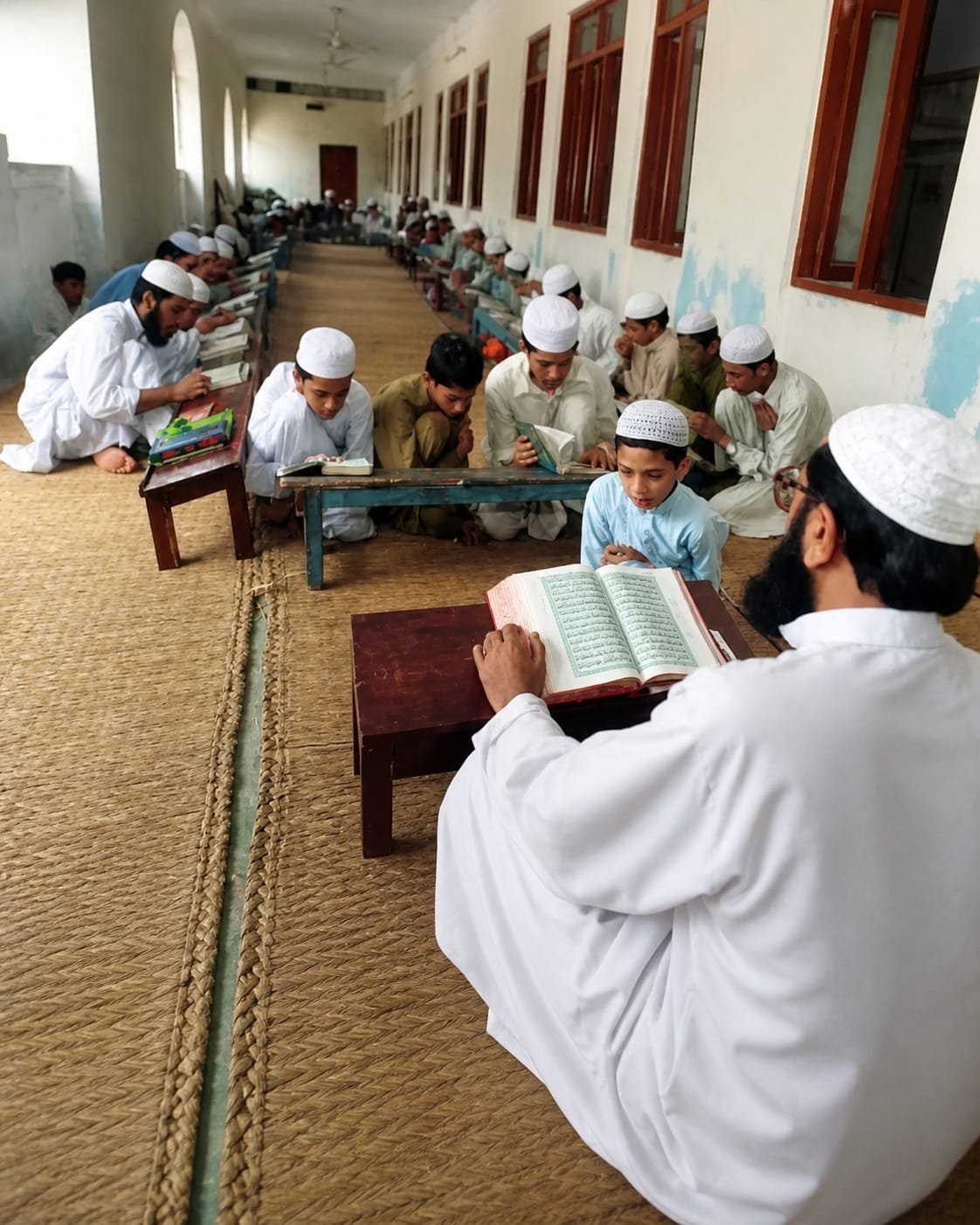
Amid the controversy, the Social Democratic Party of India (SDPI) issued a statement saying that madrasas have long played an important role in providing education to marginalized and backward sections of society. The party emphasized that all institutions must function in accordance with constitutional values, statutory limits, and principles of justice so that the protection of dignity, equality, and liberty of every citizen remains at the center of the human rights framework.
In political and social circles, the matter is now being viewed not merely as an issue concerning madrasa investigations, but as a larger debate over the role, accountability, and democratic balance of constitutional institutions.
SDPI #NHRC #AllahabadHighCourt #MadarsaNews #UttarPradesh #HumanRights #HumanRightsCommission #EOW #MinorityRights #ConstitutionalRights #MadarsaEducation #MobLynching #RuleOfLaw #IndianJudiciary #Democracy #FundamentalRights #InstitutionalAccountability #UPMadarsa #ProtectionOfHumanRightsAct #InsaafTimes