

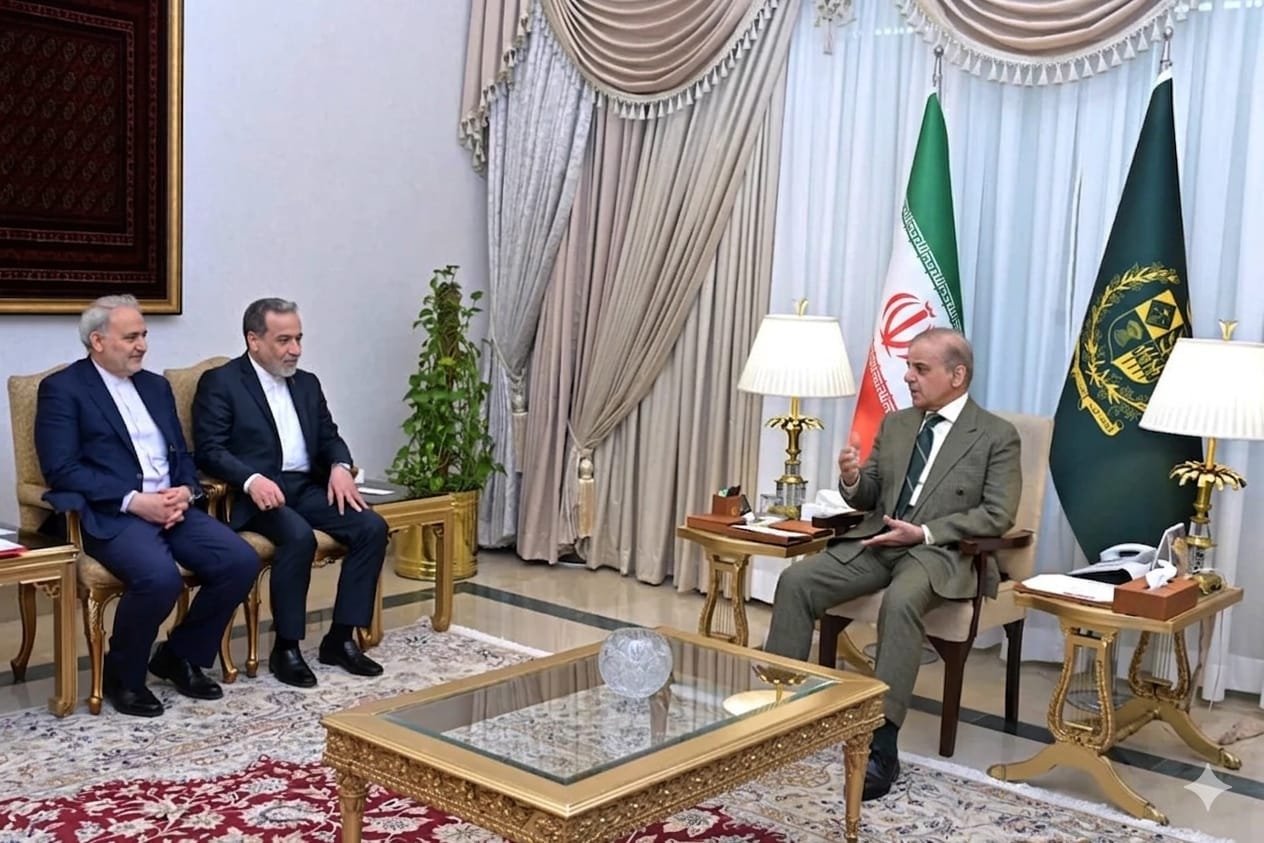
The ongoing tense conflict between Iran and the United States appears to be entering a decisive diplomatic phase. Despite a declared ceasefire, the situation in West Asia remains unstable, while countries such as Russia, Pakistan, and Oman are actively engaged in mediation efforts. Iranian Foreign Minister Abbas Araghchi is currently in Russia, where he is holding talks with President Vladimir Putin and Russian officials. Iran says the visit is not limited to bilateral relations, but is focused on the regional crisis and the broader Iran–US–Israel conflict.
Pakistan and Oman Emerge as Key Diplomatic Channels
Pakistan and Oman have emerged as important backchannel platforms in the ongoing crisis. Several rounds of indirect discussions between Iranian and American representatives have reportedly taken place in Pakistan, while Oman continues to play a key role in technical and security discussions related to the Strait of Hormuz. Iran has described Pakistan’s mediation as positive, stating that talks are moving in a “constructive direction.”
Strait of Hormuz Remains the Core Dispute
The Strait of Hormuz remains the most sensitive flashpoint in the conflict, through which a significant portion of global oil and gas supplies pass. Iran views it as a strategic leverage point, while the United States considers it an issue of international maritime freedom. Iran has clearly stated that the waterway will not be fully opened until sanctions and military pressure are lifted.
Iran’s New Proposal: Hormuz First, Nuclear Talks Later
According to reports, Iran has sent a new proposal to the United States via Pakistan, suggesting an agreement on the Strait of Hormuz first, followed by negotiations on its nuclear program. Analysts believe this reflects Iran’s strategy of being open to negotiations, but on its own terms and sequencing.
Trump’s Firm Stance: “They Can Call Us”
Former US President Donald Trump has once again taken a hardline position, stating that Iran must “pick up the phone” if it wants to negotiate. He claimed there is confusion within Iran’s leadership and that the US holds a stronger position in any talks. However, he also indicated that a deal remains possible if Iran is willing to engage.
Ceasefire Holds, But Tensions Persist
Despite the ceasefire that began on April 8, mutual distrust between the two sides remains deep. The United States has continued its maritime blockade, which Iran considers a violation of the ceasefire. Both sides have accused each other of interfering with shipping activities in the region.
Russia’s Criticism and Gulf Concerns
Russia has accused the United States of pursuing a policy of pressure and ultimatums in negotiations, which is undermining prospects for a peaceful settlement. Meanwhile, Gulf countries have warned that any agreement must prioritize regional security, energy stability, and safe maritime routes.
Pakistan’s Growing Role
Pakistan’s role in the crisis continues to expand. The mediation efforts led by Prime Minister Shehbaz Sharif and the military leadership have been acknowledged by both sides. Some analysts believe Pakistan is also viewing this process as both a diplomatic opportunity and a potential economic advantage.
Window for Agreement Remains Open, Trust Still Weak
According to experts, both diplomacy and escalation remain equally possible at this stage. While negotiations are intensifying, major disagreements—especially over the Strait of Hormuz and the nuclear program remain unresolved. The Iran–US dispute has now evolved beyond a bilateral conflict into a central issue of global energy security and geopolitical balance, with worldwide implications.
IranUSConflict #AbbasAraghchi #DonaldTrump #VladimirPutin #StraitOfHormuz #PakistanMediation #MiddleEastCrisis #IranNews #USIranTalks #InsaafTimes