

In the Gaza Strip, local elections have been held for the first time in two decades, even as continued military strikes despite a ceasefire and a worsening humanitarian crisis further complicate the situation. Recent developments indicate that political processes, ground-level violence, and regional diplomacy in Palestine are colliding simultaneously.
Elections: Limited Participation, Significant Signal
Municipal elections held in Deir al-Balah are being seen as the first major vote in Gaza since 2006. The Fatah, led by Mahmoud Abbas, secured widespread success in the West Bank, while its backed candidates also gained ground in Gaza. Although Hamas did not formally participate in the elections, several candidates were perceived to have its support. Voter turnout in Gaza remained low at just 23%, compared to 56% in the West Bank. Officials attribute the low participation to displacement, insecurity, and damaged infrastructure.
Violence Continues Despite Ceasefire
Despite a ceasefire declared in October 2023, military operations by Israel have continued. Health officials report that at least four Palestinians, including a woman, were killed in recent strikes. Local reports describe incidents involving drone attacks, gunfire, and shelling. Tensions remain high across Gaza City, Khan Younis, and central areas. The so-called “Yellow Line” established by Israel has placed large parts of Gaza under military control, with strict restrictions on movement.
Deepening Humanitarian Crisis
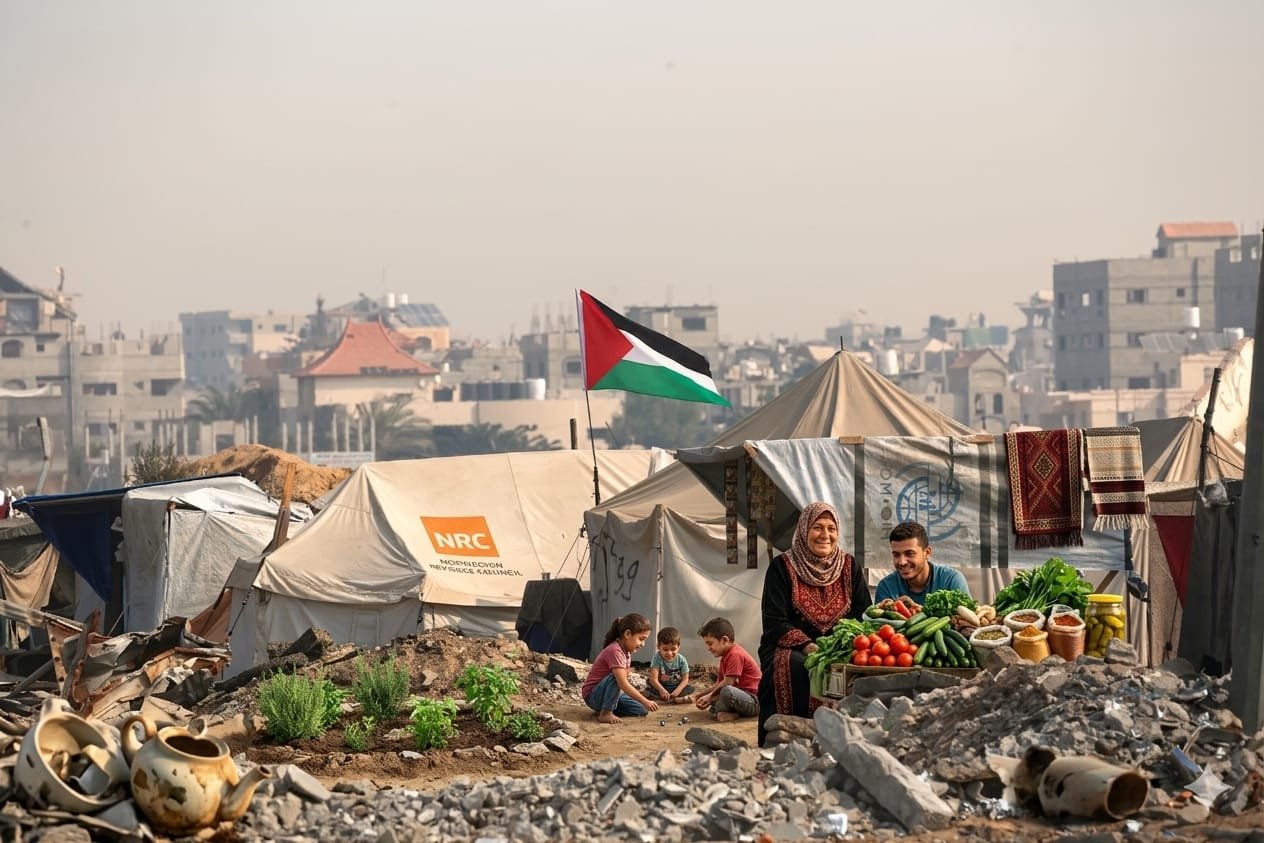
Ongoing attacks and blockade conditions have led to severe shortages of food and medical supplies in Gaza. According to aid agencies, only a fraction of the required humanitarian assistance is reaching the region. The lack of medical facilities, widespread displacement, and limited access to clean water have further worsened the situation. Residents continue to struggle with basic survival and security concerns.
Regional Context and the Road Ahead
Meanwhile, tensions involving Iran, the United States, and Lebanon have shown signs of partial easing, drawing renewed international focus toward Gaza. Experts suggest that de-escalation on other fronts could either increase military pressure on Gaza or create space for diplomatic solutions. However, key disputes remain unresolved, particularly regarding the disarmament of Hamas and the future governance of Gaza.
While the elections signal a potential revival of political processes in Gaza, ongoing violence and the deepening humanitarian crisis raise serious questions about their effectiveness. Under current conditions, the prospects for lasting peace and a sustainable resolution remain distant.
Gaza #Palestine #Israel #Ceasefire #MiddleEast #InsaafTimes