

Tensions between Iran and the United States have once again shaken global stability. After the collapse of peace talks and failed diplomatic efforts, international oil markets have witnessed a sharp surge. The impact is no longer limited to the energy sector, it is now spreading across global poverty, food security, transport systems, and the environment.
Oil market surge, prices near $106
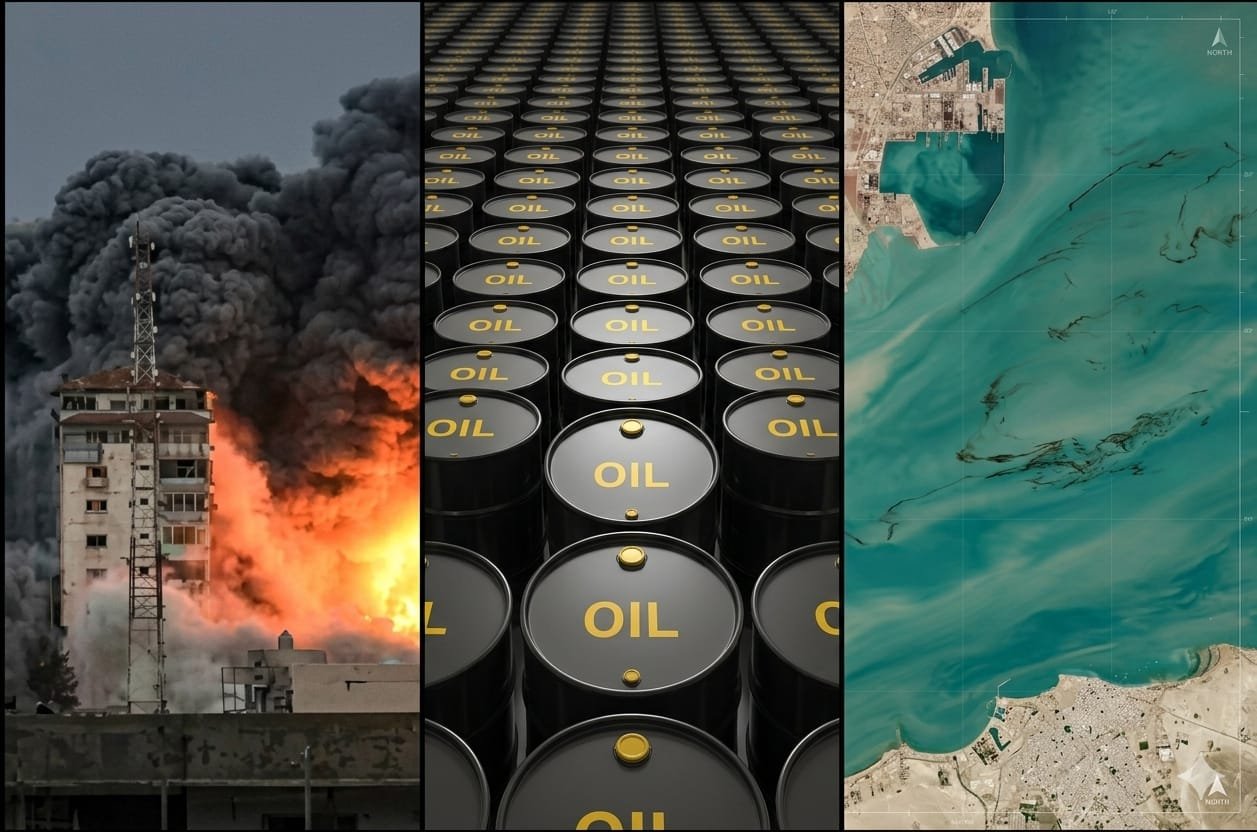
According to recent reports, Brent crude oil prices rose by more than 2% after the second round of Iran–US peace talks failed. Brent crude has climbed close to $106 per barrel. Experts say the main reason behind this instability is rising tensions over the Strait of Hormuz, through which nearly 20% of global oil and gas supply passes. Several reports also indicate a decline in maritime trade and energy transportation, putting additional pressure on global supply chains.
Warning of one of the biggest energy crises in modern history
Energy experts and international institutions have warned that the current situation could develop into one of the most severe energy crises in modern history. According to an energy report, conflict and sanctions are affecting nearly 13 million barrels of oil supply per day. This is not only pushing prices higher but also threatening energy security in several countries. Experts warn that if the situation continues, its impact will extend beyond fuel to transportation, agriculture, and industrial production.
Rising global poverty risk, millions could be affected
Estimates linked to the United Nations Development Programme (UNDP) suggest that if Iran–US tensions are not resolved soon, around 32 million people worldwide could fall below the poverty line. The report also highlights that remittance flows in the Asia-Pacific region—worth nearly $100 billion annually—have been severely affected. This is increasing pressure on developing economies. Experts note that rising oil prices directly impact food prices, transport costs, and essential goods, increasing inflation and social inequality.
Risk of environmental crisis due to oil spills
One of the most serious concerns is the impact on marine environments. Reports suggest that uncertainty and tensions involving oil tanker operations have led to an increase in oil spill incidents at sea. Satellite images released by the European Space Agency (ESA) reportedly show oil spreading so widely in the ocean that it can even be seen from space. Environmental experts describe this as a “serious threat to marine life,” warning of long-term damage to fisheries, coastal economies, and marine biodiversity.
Oil becomes expensive worldwide, EV demand rises
A major indirect impact of the energy crisis is visible in global consumer behavior. Rising petrol and diesel prices have led to a sharp increase in demand for electric vehicles (EVs). Reports show:
EV sales in Australia have nearly doubled
Strong growth in the United States and China
Rapid increase in registrations across Japan, South Korea, and Europe
Over 100% growth in EV sales in countries like Vietnam
Experts believe this shift may not be temporary but the beginning of a long-term energy transition.
Diplomatic deadlock, risk of worsening crisis
The diplomatic situation remains highly complex. Stalled negotiations and uncertainty over maritime routes have destabilized global markets. Analysts warn that without a political solution, the crisis could have long-lasting effects not only on energy markets but also on the global economy and environmental systems.
The Iran–US conflict is no longer just a regional dispute. It has evolved into a multi-dimensional global crisis—where oil markets are unstable, millions face economic risk, and environmental pressure is increasing. The world now stands at a critical point where diplomatic failure is directly shaping global life systems.
IranUSTension #OilCrisis #BrentCrude #EnergyCrisis #GlobalEconomy #StraitOfHormuz #OilPrices #ClimateImpact #EVGrowth #WorldNews