

West Asia has once again entered a phase of intense geopolitical tension. The ongoing confrontation between Iran and the United States is increasingly visible across multiple dimensions—Strait of Hormuz, energy trade, military power, and regional diplomacy. The impact of this escalation is now being felt across the entire region. Strong statements from within Iran and new economic and strategic policies have further complicated the situation, while reactions from the United States and its allies are making the environment even more sensitive.
Iranian leadership message: unity and external challenge
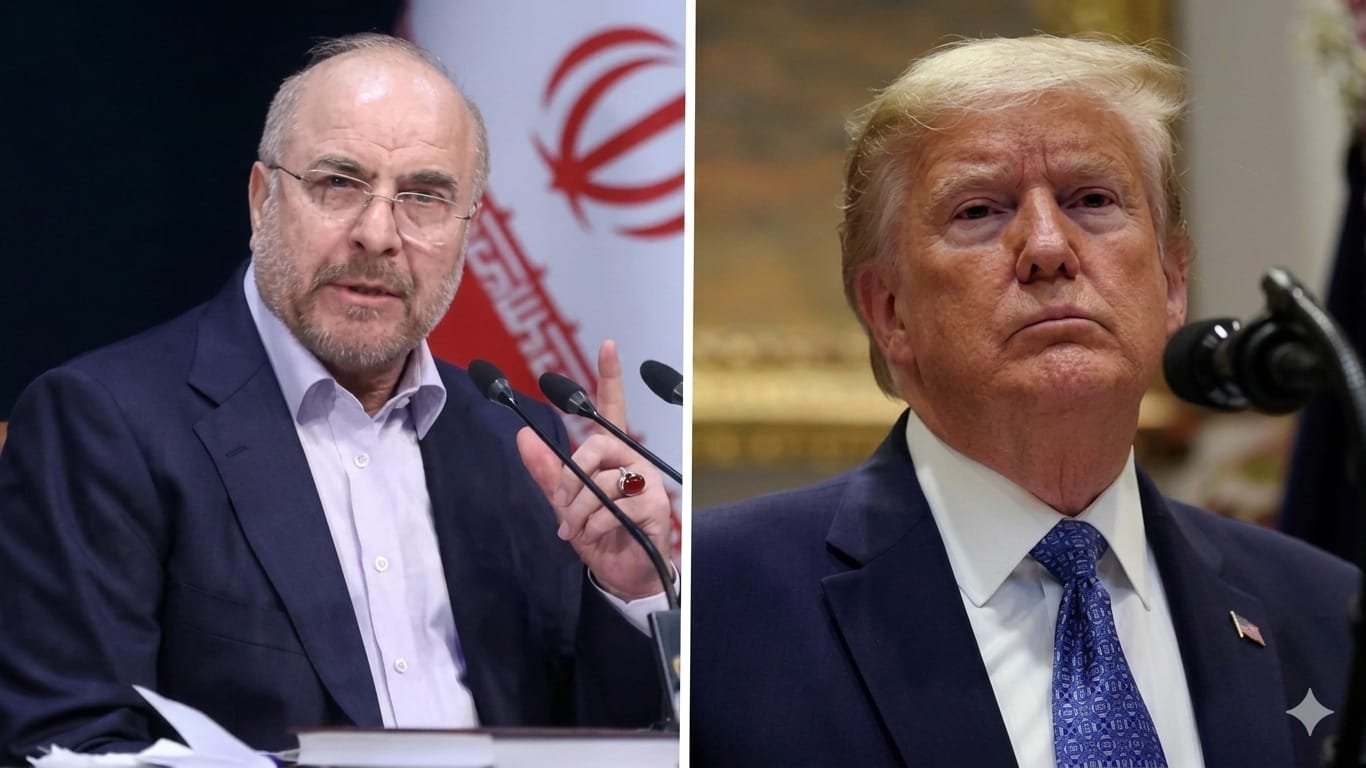
Mohammad Mokhber, an advisor to Iran’s Supreme Leader, has claimed that the country’s population of around 90 million stands united and the opposition is completely powerless. According to him, external forces—especially the United States—attempt to exploit internal divisions, but Iran’s social and political structure is strong enough to resist such efforts. In a similar tone, Iranian Parliament Speaker Mohammad Bagher Ghalibaf delivered a firm political message, stating that there is no ideological division within the country. “We are all Iranians, we are all revolutionaries,” he said, emphasizing unity, leadership, and a shared religious-national identity as the path to “victory.” These remarks come at a time when international pressure on Iran continues to rise.
Strait of Hormuz: emerging as an economic tool
The Strait of Hormuz, one of the world’s most critical energy corridors, remains at the center of global attention. Iran’s Deputy Speaker Hamid Reza confirmed that the first revenue collected from fees imposed on vessels passing through the strait has now been transferred to the Central Bank of Iran. Earlier, Iran’s parliamentary security committee approved a plan to impose charges on this strategic waterway. Analysts believe this move is not just economic but also strategic in nature, with potential implications for global energy supply chains. Since a significant share of global oil trade passes through this route, any restrictions or additional costs could trigger volatility in international markets.
Iran–US dialogue: trust deficit remains the biggest barrier
Iranian President Masoud Pezeshkian, during talks with Pakistan’s Prime Minister Shehbaz Sharif, stated clearly that no trust can be restored unless “aggressive policies” are ended. He also accused previous negotiations with the United States of increasing distrust rather than resolving issues. Tehran has made it clear that it will not engage in any forced negotiations under pressure or sanctions. This stance suggests that diplomatic deadlock may continue for an extended period.
Military capability and global assessment
US officials have stated that Iran’s military capability remains largely intact and strong. According to them, Iran’s defense system and military structure are not as weakened as some analyses suggest.
Diplomatic track: Iran–Oman dialogue
On the diplomatic front, limited but significant developments continue. Iranian Foreign Minister Abbas Araghchi announced that Iran and Oman have agreed to continue expert-level talks regarding the Strait of Hormuz. Oman has traditionally played a mediating role in the region, and this dialogue is seen as a cautious but important attempt to manage regional tensions.
Pakistan–US talks remain uncertain
In another diplomatic development, a Pakistani official told the Associated Press that there are currently no immediate plans for US envoys to return to Islamabad for peace talks. This adds further uncertainty to already strained regional diplomatic efforts. Regional and global impact: risk to energy stability, Experts warn that the growing Iran–US tensions are not limited to bilateral relations. They could directly impact global oil markets, maritime trade, and energy prices. Any instability in strategic routes like the Strait of Hormuz could disrupt global supply chains and increase energy insecurity worldwide.
Rising tension, weakening diplomacy
The current situation indicates that West Asia is once again standing at a critical turning point. While Iran emphasizes internal unity and strategic resilience, the United States and its allies remain cautious about regional balance. Diplomatic efforts are ongoing, but a deep trust deficit and increasing economic-military pressure continue to make the situation more complex.
IranUSTensions #WestAsiaCrisis #StraitOfHormuz #HormuzCrisis #USIranConflict #MiddleEastTensions #GlobalOilMarket #EnergySecurity #OilPrices #Geopolitics #InternationalRelations #Diplomacy #AbbasAraghchi #MasoudPezeshkian #MohammadBagherGhalibaf #MohammadMokhber #IranPolitics #USForeignPolicy #GulfRegion #PakistanDiplomacy #OmanMediation #MaritimeSecurity #EnergyCrisis