

Amid rising tensions between the United States and Iran, U.S. President Donald Trump on Wednesday announced a major decision to extend the ceasefire. Trump said the step was taken at Pakistan’s request to give Iran time to prepare a “unified proposal” for negotiations.
According to Trump, Pakistan’s Prime Minister Shehbaz Sharif and Army Chief Asim Munir had urged him to halt military action. Following this, the United States decided to temporarily postpone strikes.
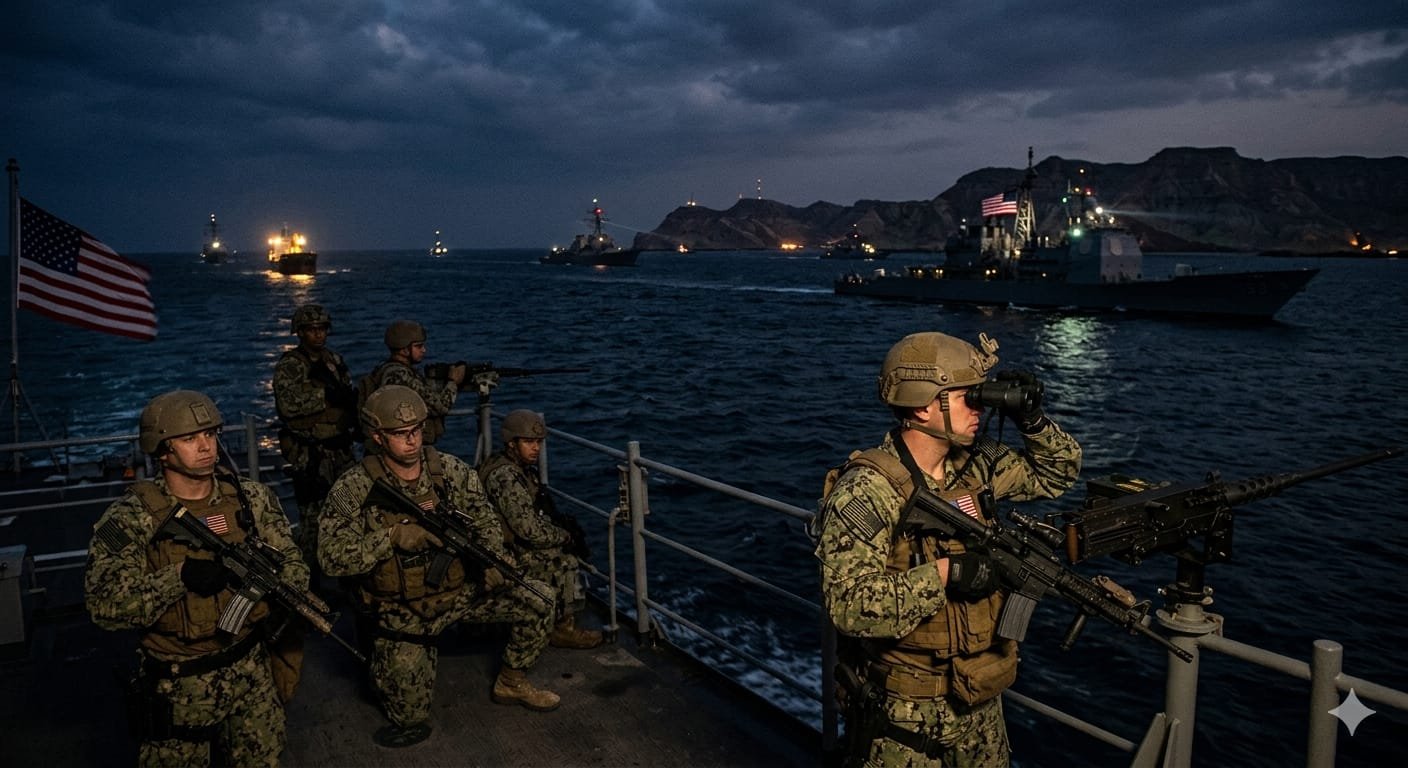
However, Trump made it clear that to maintain pressure on Iran, the U.S. naval blockade of Iranian ports near the Strait of Hormuz would continue. He added that the U.S. military has been instructed to remain “fully prepared.”
Earlier, Trump had warned that if no substantial progress is made in talks, the U.S. could resume bombing. This sudden shift within just a few hours has raised questions about Washington’s strategy.
Meanwhile, Iran has expressed skepticism over the U.S. announcement. An advisor to Iranian Parliament Speaker Mohammad Bagher Ghalibaf described it as a “possible ploy,” suggesting that the U.S. could be preparing for a sudden attack.
At the same time, uncertainty remains over the proposed second round of talks in Islamabad, as Iran has not yet officially confirmed its participation.
Amid the tensions, the incident involving the Iranian vessel “Tuska,” which was stopped by U.S. forces in the Gulf of Oman, has also sparked controversy. Iran’s Foreign Minister Abbas Araghchi called the move a violation of the ceasefire, while the U.S. described it as a security measure.
Experts believe that despite the extension of the ceasefire, the situation remains fragile. Ongoing blockades, threats, and mutual distrust have prevented a full de-escalation in the region.
All eyes are now on whether Iran will move forward with negotiations and whether current diplomatic efforts can lead to a lasting resolution.