

Controversy deepens over alleged encounter deaths in Chhattisgarh’s Bastar; CASR calls it “state-sponsored killing,” demands independent inquiry
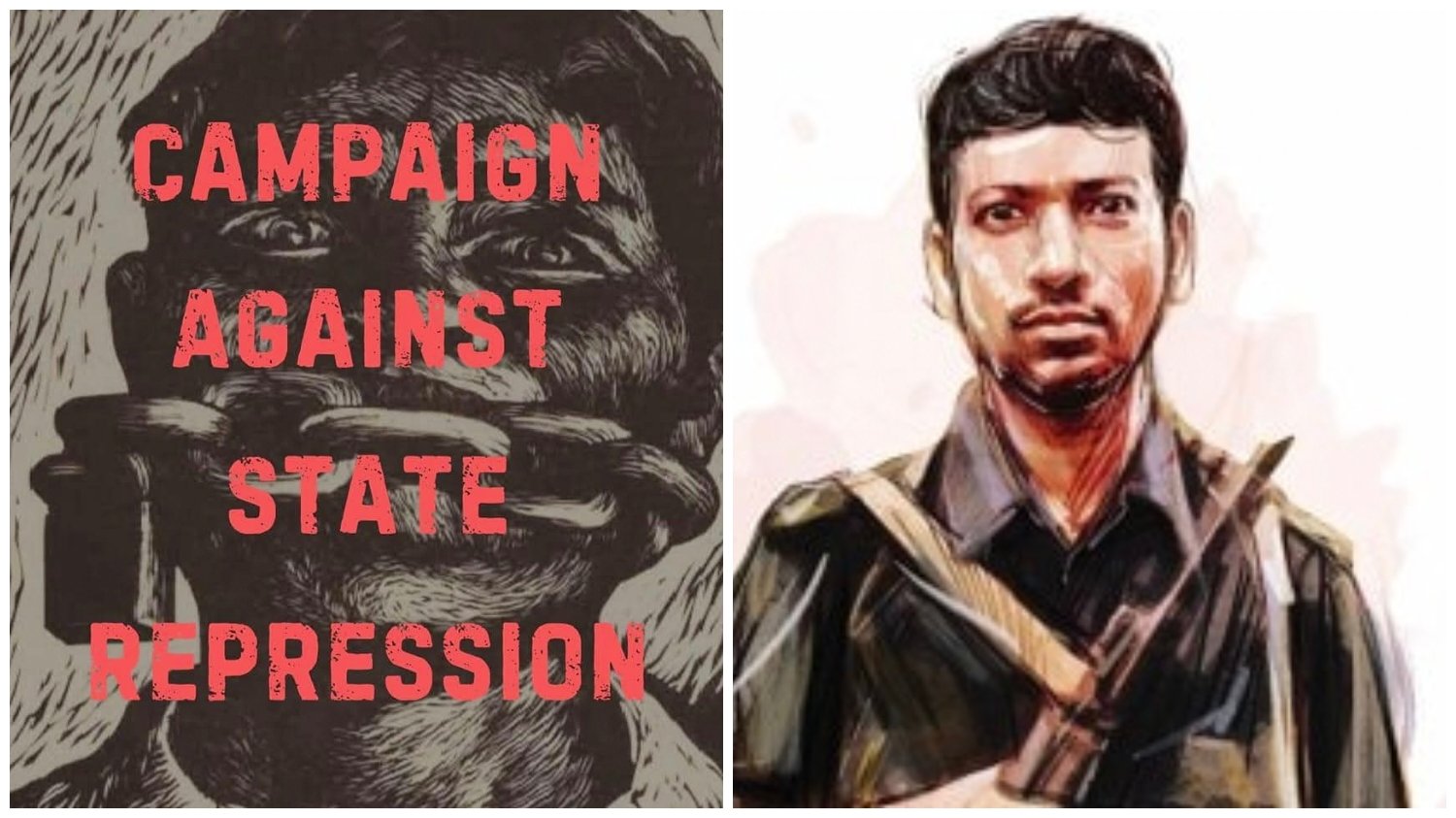
Tensions are mounting in Chhattisgarh’s Bastar region following the alleged encounter deaths of top Maoist leader Madvi Hidma, his wife Rajakka, and five others on November 18. The rights collective Campaign Against State Repression (CASR) has strongly objected to the incident, terming it a case of “state-orchestrated killing.” According to the organisation, the rule of law has been “effectively suspended” in Bastar.
In a press statement, CASR claimed that Hidma and the others were picked up unarmed from a shelter on October 28 and allegedly held in illegal custody. The organisation further asserted that they were subjected to torture before being killed and the incident was later staged as an encounter. CASR described the episode as a clear violation of the Constitution, human-rights protocols and Supreme Court directives.
The organisation also alleged that more than 500 people have been killed since January 1, 2024, during an ongoing security offensive named ‘Operation Kagar’. Those killed reportedly include Maoists as well as activists linked to people’s movements and ordinary Adivasi civilians. CASR stated that the operation is being carried out to suppress grassroots resistance to corporate projects in the region.
The press statement cites several landmark Supreme Court judgments:
- Om Prakash vs Jharkhand (2012) — “Fake encounters amount to state-sponsored terrorism.”
- Prakash Kadam vs Ramprasad Vishwanath Gupta (2011) — “Fake encounters are cold-blooded murders committed by law-enforcement agencies.”
- PUCL vs Maharashtra (2014) — Mandates registration of every encounter as a case of murder, independent FIR, magisterial inquiry and preservation of forensic evidence.
According to CASR, the state is repeatedly ignoring Article 21 of the Constitution and international human-rights standards, while security forces are acting as “judge, jury and executioner.”
The organisation has demanded urgent action and put forward these key proposals:
- Formation of an independent inquiry panel comprising retired judges and human-rights activists
- Full videography of the post-mortem and immediate handing over of the bodies to families
- FIR against security personnel involved in the alleged encounter
- Immediate halt to Operation Kagar and the Surajkund Plan
The CASR statement has been endorsed by several organisations including AIRSO, AISA, AISF, APCR, Bhim Army, CEM, DSU, Fraternity, IAPL, NTUI, Mazdoor Adhikar Sangathan, Rihai Manch, SFI, and WSS. Human-rights groups have described the situation as an example of militarisation of tribal areas and the repression of dissent.
The death of Hidma has once again reignited the debate over the balance between security operations and the rule of law. Experts warn that without transparency and an independent probe, distrust and tensions may escalate further, deepening insecurity and resentment among local tribal communities.