

Insaaf Times Desk
A major political controversy has erupted in Bihar ahead of the state assembly elections. The Congress party has alleged that during the Special Intensive Revision (SIR) of the voter list, approximately 2.3 million women’s names were deliberately removed. The party claims that most of these women belong to Dalit and Muslim communities, and the move targeted 59 assembly constituencies where the 2020 elections witnessed tight contests.
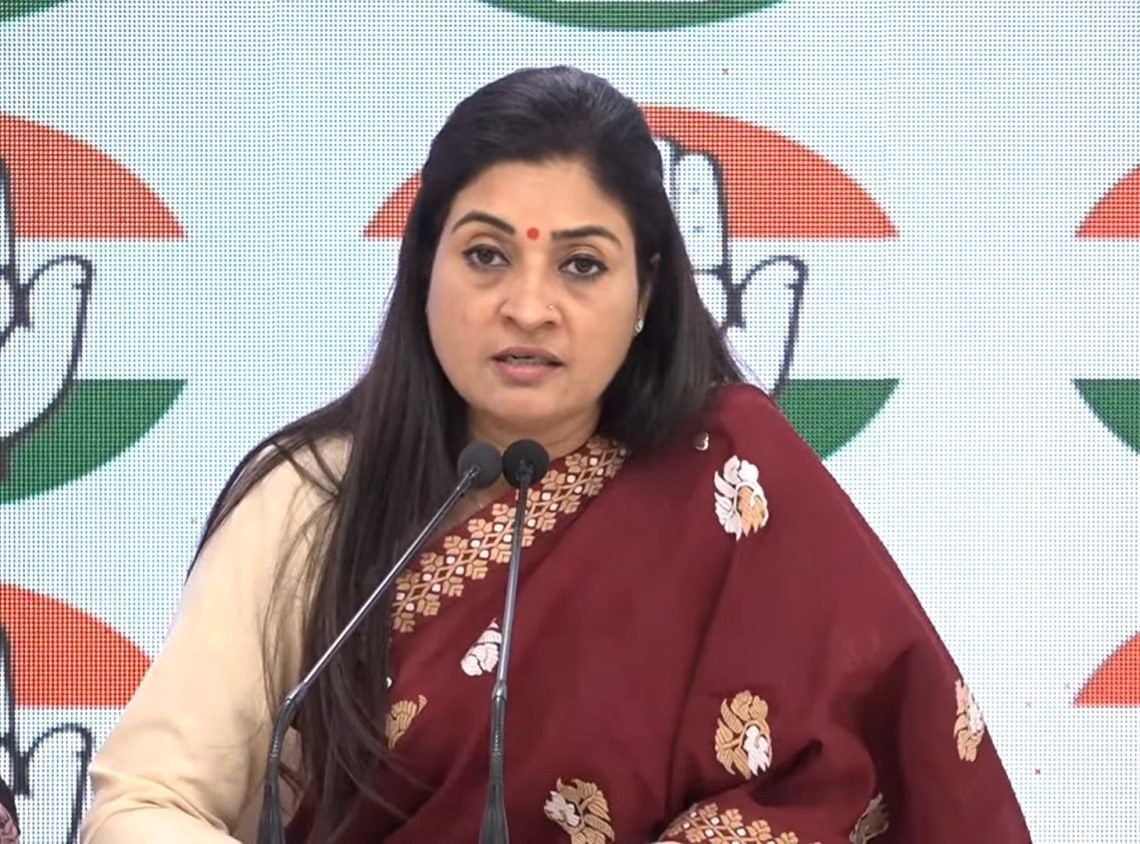
Addressing a press conference, Alka Lamba, President of the All India Mahila Congress, alleged that the action was carried out under the directions of Prime Minister Narendra Modi and Home Minister Amit Shah. She said, “Bihar has nearly 35 million women voters, but during the SIR, 22.7 lakh women’s names were deleted. This means these women will be unable to vote in the upcoming elections. This is against the Constitution and democracy.”
Lamba also named the districts with the highest number of deletions—Gopalganj, Saran, Begusarai, Samastipur, Bhojpur, and Purnia. She claimed that in these districts, covering around 60 assembly seats, the process involved “massive fraud.”
The Election Commission has rejected Congress’s allegations. Chief Election Commissioner Gyanesh Kumar stated that the SIR process aimed to update and correct the voter list. He clarified that names were removed only for individuals who were deceased, had shifted their residence, or whose documents were incomplete. The commission assured that all eligible voters will be able to cast their votes and no ineligible person would be included in the list.
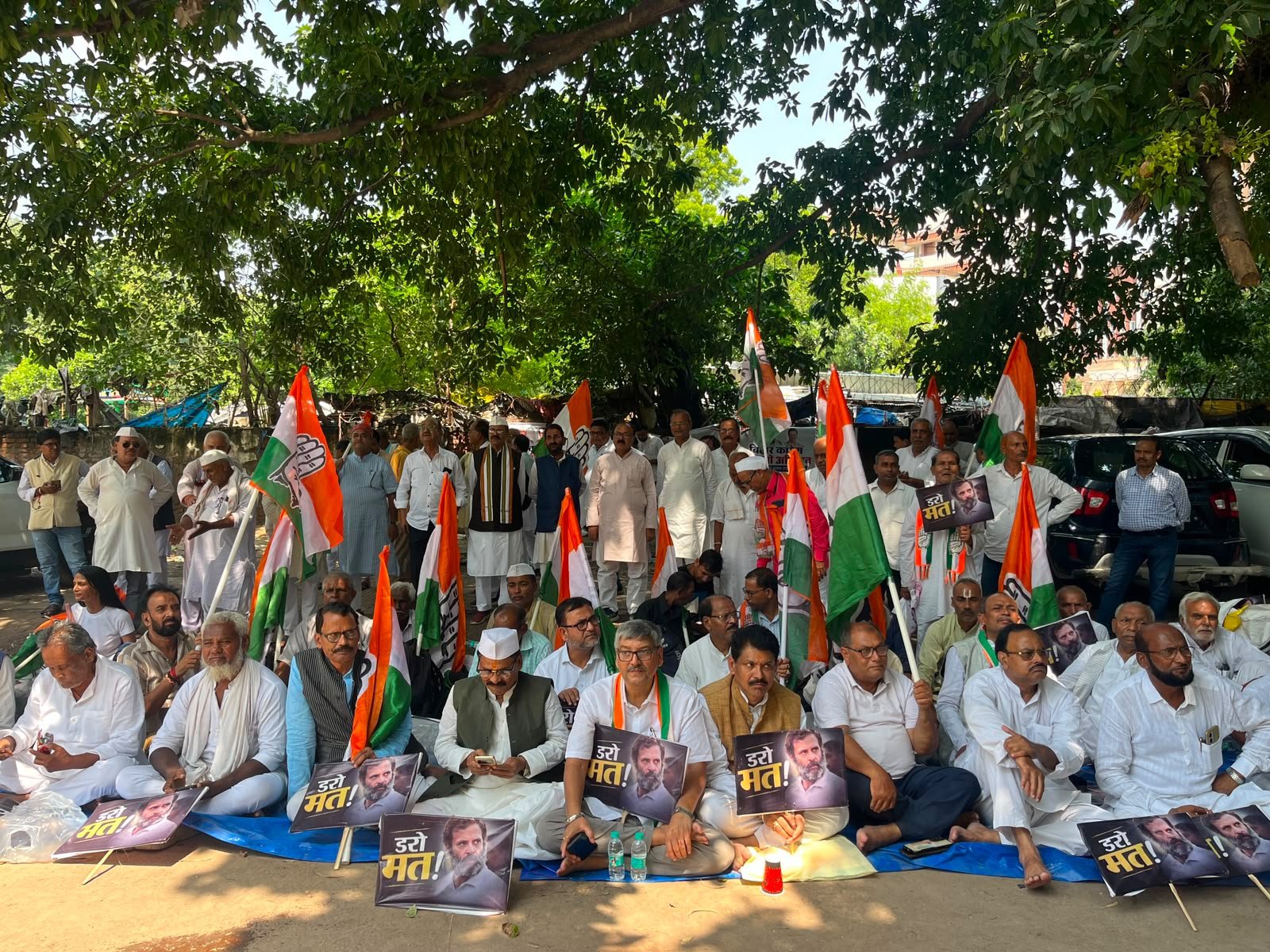
Following Congress’s claims, opposition parties have also become active. The RJD and other opposition parties have called it an attack on democracy and demanded a fair and impartial investigation by the Election Commission. Congress has also announced a nationwide signature campaign against this alleged “vote theft.”
The removal of millions of women’s names from Bihar’s voter list has become a central point of political and electoral debate. This controversy raises questions about the fairness and transparency of the democratic process, and all eyes are now on the Election Commission to see what action it takes.