

Insaaf Times Desk
Dussehra in 2025 is set to be especially significant. On October 2, the nation will celebrate Vijayadashami, and coincidentally, the day also marks the birth anniversary of Mahatma Gandhi. While Dussehra symbolizes the triumph of truth over falsehood and righteousness over evil, Gandhi’s life stood as a beacon of truth and nonviolence. This year, therefore, the festival carries a dual message of inspiration.
Across the country, effigies of Ravana, Meghnad, and Kumbhakarna will be set ablaze. As crowds gather in open grounds during the evening, fireworks and chants of “Jai Siya Ram” will echo, celebrating the victory of good over evil. The concluding act of the Ram Leela—Ravana’s defeat—will also take place on this day. Many will observe the tradition of worshipping their tools and weapons, praying for success in their endeavors.
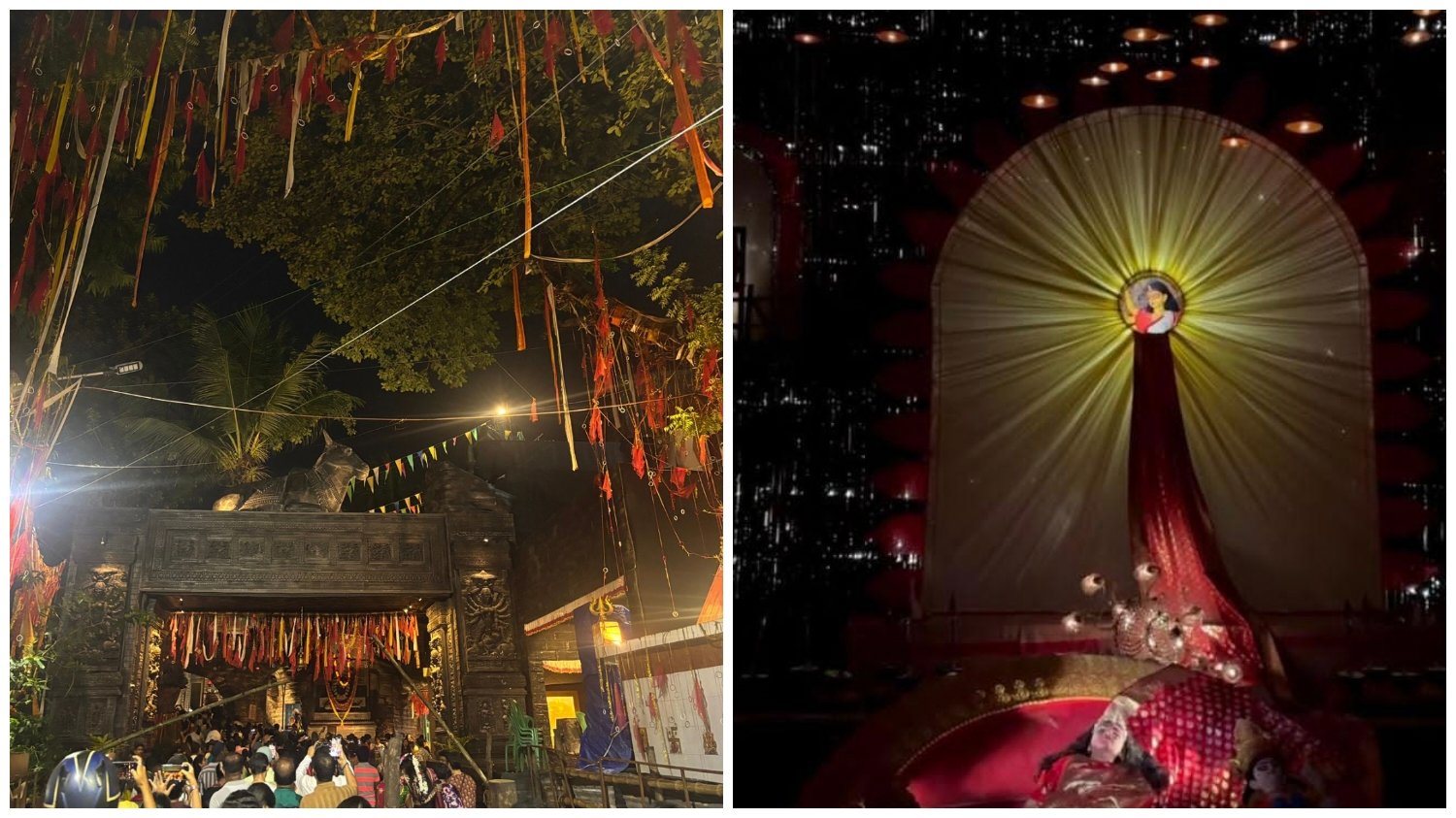
Vijayadashami also commemorates Goddess Durga’s slaying of the demon Mahishasura at the end of Navratri. In southern India, particularly in Mysuru, the festival is renowned for its royal procession and grand pageantry featuring decorated elephants and cultural tableaux.
Traditionally, people mark the day by wearing new clothes, preparing festive dishes, and exchanging greetings with relatives and friends. Beyond its religious significance, the festival serves as a moment of social bonding and collective unity.
However, in today’s times, the core essence of Dussehra appears to be fading. Many feel content simply by burning effigies, but the real challenge lies in overcoming inner vices such as greed, anger, and arrogance.
This year, Dussehra offers a double lesson—embracing Lord Rama’s values of integrity and righteousness while also walking the path of truth, nonviolence, and equality as shown by Mahatma Gandhi. That is the festival’s true victory.