

Insaaf Times Desk
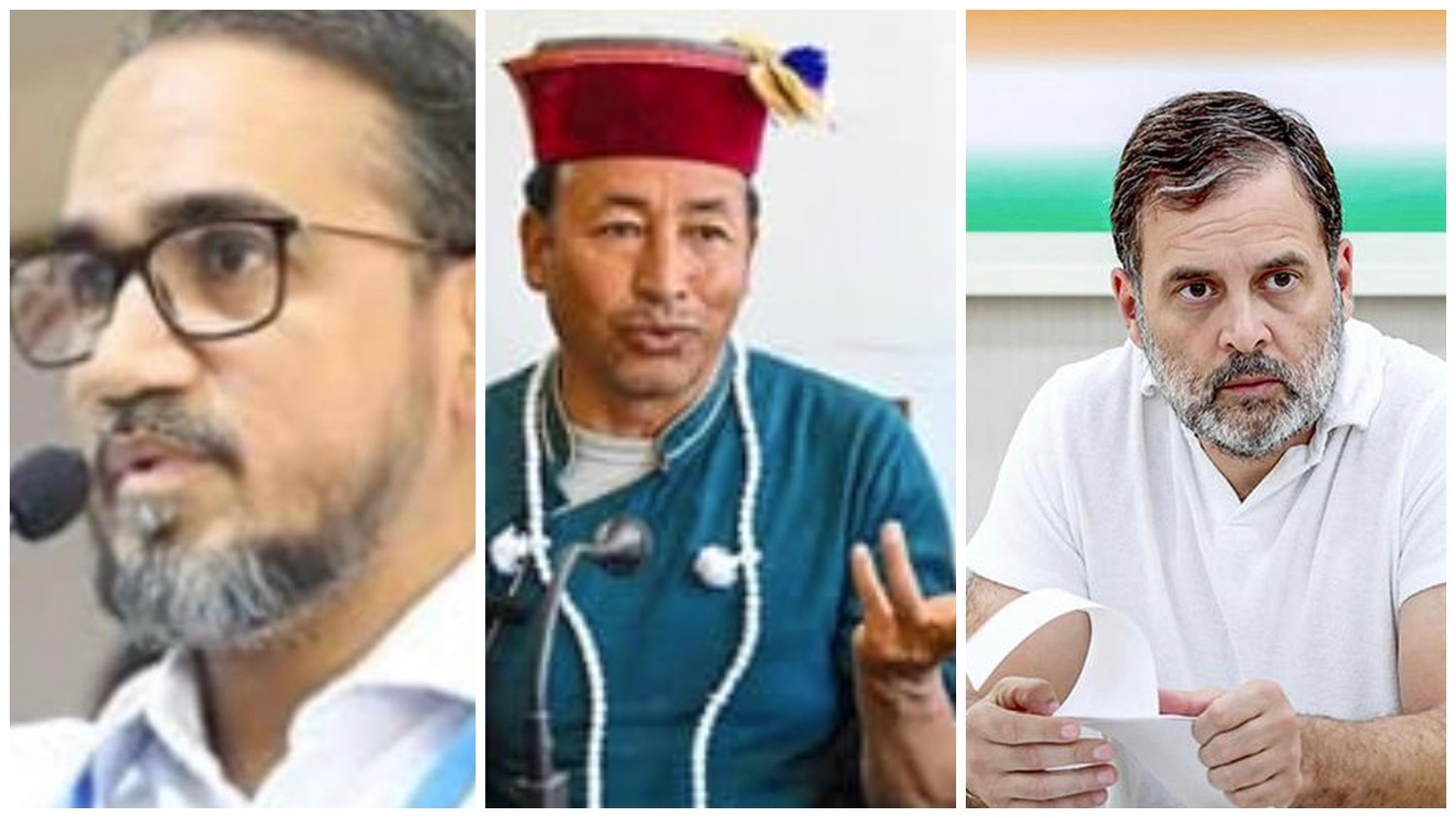
The Social Democratic Party of India (SDPI) and Congress leader Rahul Gandhi have strongly condemned the arrest of renowned environmental activist and Ramon Magsaysay awardee Sonam Wangchuk under the National Security Act (NSA). Both parties have demanded his immediate release.
SDPI National Vice President Mohammad Shafi stated, “The arrest of Sonam Wangchuk is a violation of democratic rights. It is an attack on peaceful protest and freedom of expression, which are protected under Articles 19 and 21 of the Constitution.”
Wangchuk was taken into custody on 26 September in Leh. Prior to this, on 24 September, protests were held demanding full statehood for Ladakh and the protection of local tribal communities under the Sixth Schedule. These protests resulted in the deaths of four people and left over 90 injured.
The government alleges that Wangchuk made provocative statements during the protests. Supporters, however, argue that the central government has long ignored the genuine demands of the people of Ladakh.
The Ministry of Home Affairs has revoked the FCRA license of Wangchuk’s organization, SECMOL, alleging misuse of foreign funding. Wangchuk’s supporters say this is a strategic move to financially cripple his peaceful activism and silence dissent.
Political Reactions
SDPI: Called on the government to immediately address Ladakh’s pending demands and ensure Wangchuk’s release.
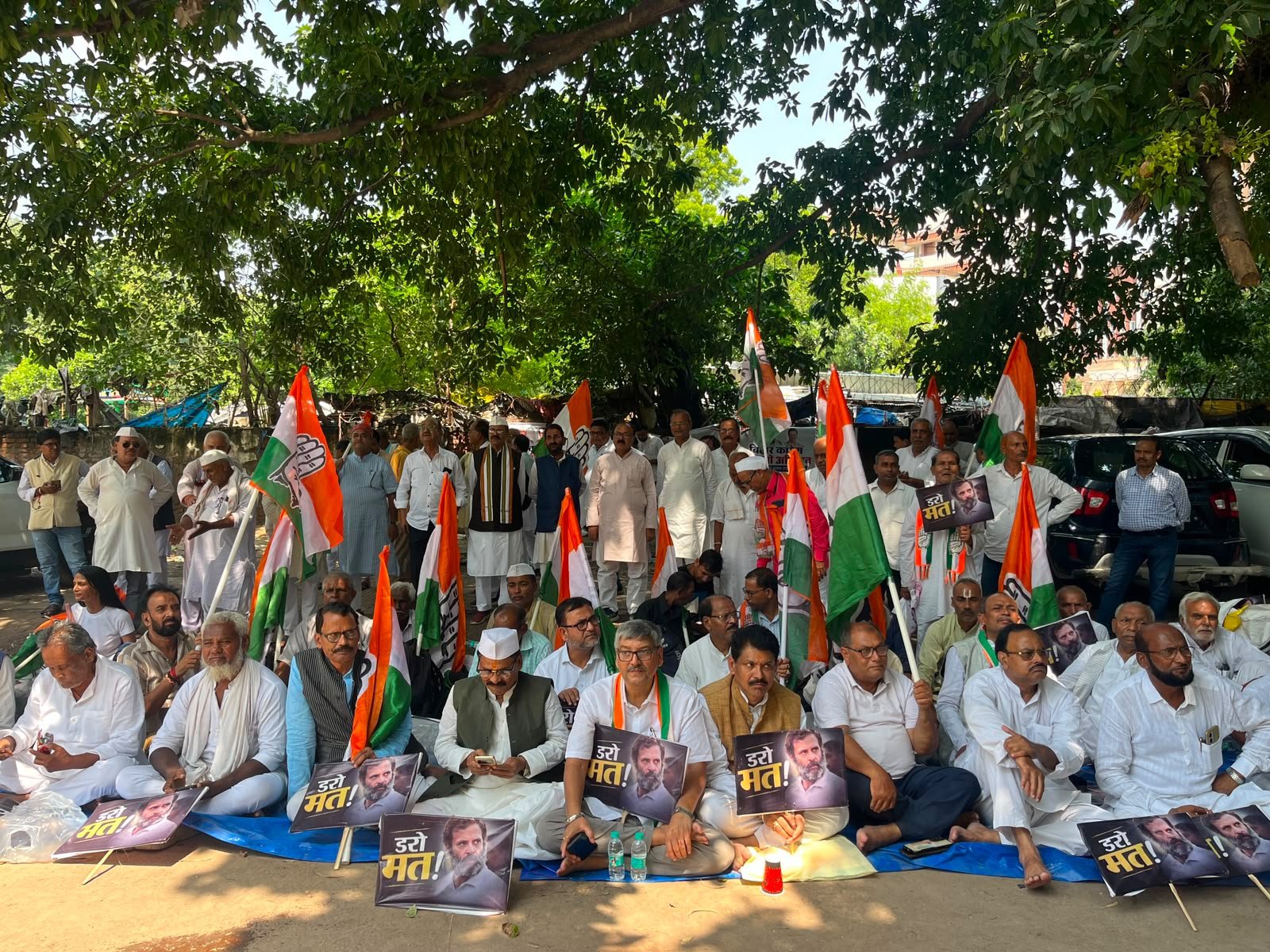
Congress (Rahul Gandhi): Accused the central government of attacking Ladakh’s culture and traditions and demanded inclusion under the Sixth Schedule.
AAP (Arvind Kejriwal): Called the arrest an attack on democracy and described it as authoritarian.
United Kisan Morcha (SKM): Demanded the revocation of NSA against Wangchuk and his immediate release.
Wangchuk’s wife Gitanjali Angmo said that her husband has always led peaceful and non-violent activism. She called the arrest a “political conspiracy” and categorically rejected all allegations against him
The arrest of Sonam Wangchuk has turned the Ladakh movement into a national debate. Opposition parties and civil society organizations view this as an attack on democratic values. All eyes are now on the central government to see how it resolves this contentious issue.