

Insaaf Times Desk
The Uttarakhand government has introduced a major change in the state’s education system by implementing the Minority Education Bill 2025. With the Governor’s approval, the Madrasa Board Act 2016 and the Arabic-Persian Madrasa Recognition Rules 2019 will both be repealed effective July 2026.
With this move, Uttarakhand has become the second state in India—after Assam—to abolish its Madrasa Board.
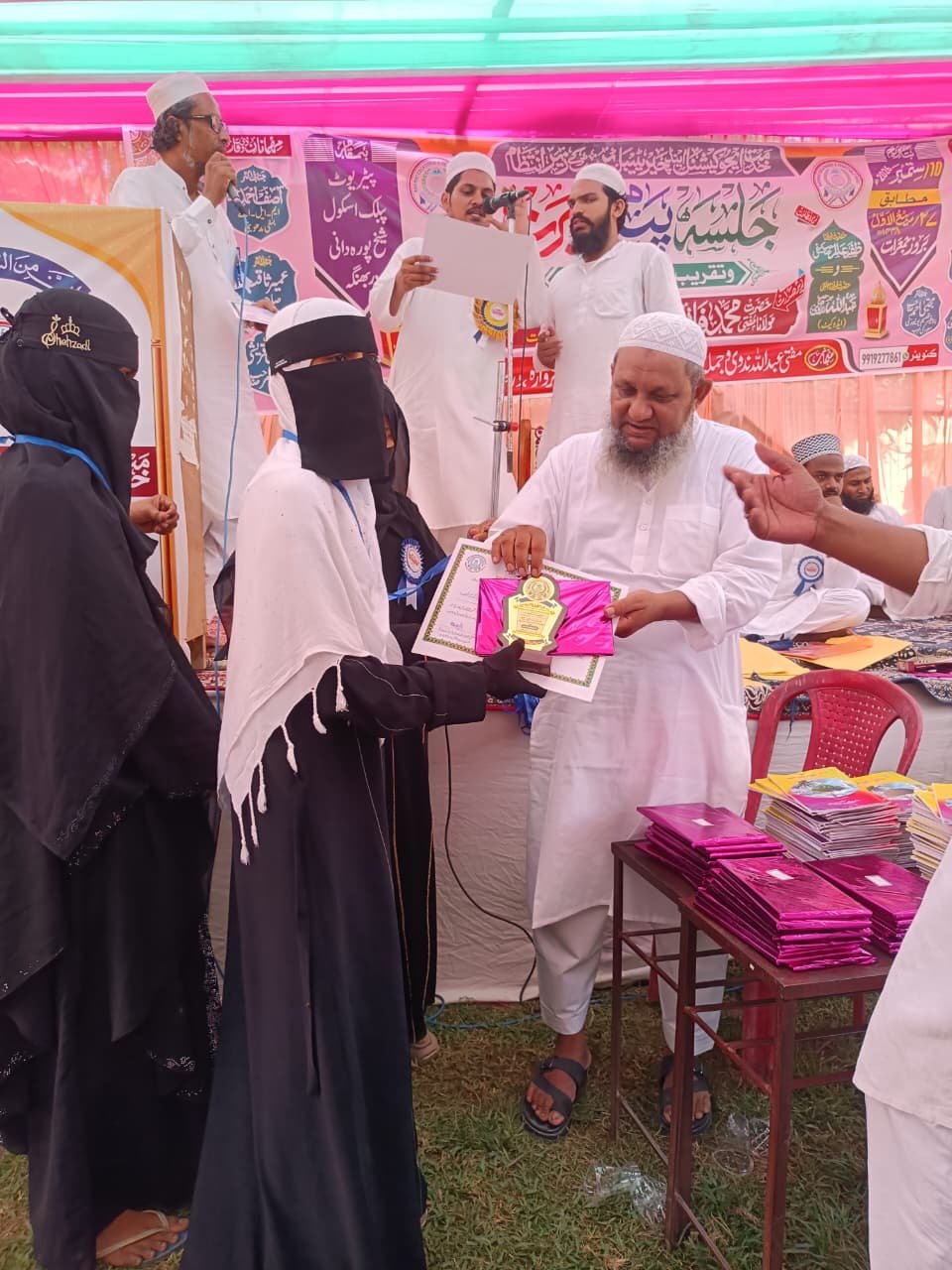
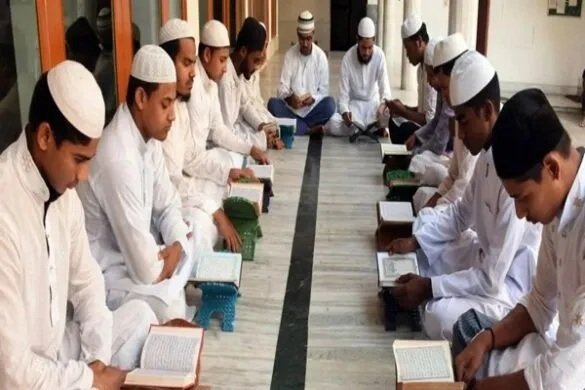
Under the new law, all madrasas in the state will now be required to affiliate with the Uttarakhand Board of School Education (UBSE).
They will also have to adopt the state-prescribed curriculum, which will make subjects like Mathematics, Science, and Social Studies compulsory.
According to the government, the step aims to bring “uniformity, transparency, and quality” into the education system.
A new Minority Education Authority will also be established to oversee recognition, regulation, and quality standards for all minority educational institutions.
Chief Minister Pushkar Singh Dhami stated, “There will now be a unified education framework in the state. Madrasa students will receive the same modern education as other schools, ensuring equal opportunities for all children in the future.”
The government also claims that several madrasas have long faced issues like lack of transparency, irregular funding, and limited curricula — and that this new law will address those shortcomings.
However, many Muslim organizations and religious scholars have denounced the move, calling it an “attack on minority rights.”
Maulana Mufti Shahabuddin Razvi Barelvi questioned the government’s intent, saying, “When a Madrasa Board already existed, what was the need for a new system? This is an attempt to weaken religious education.”
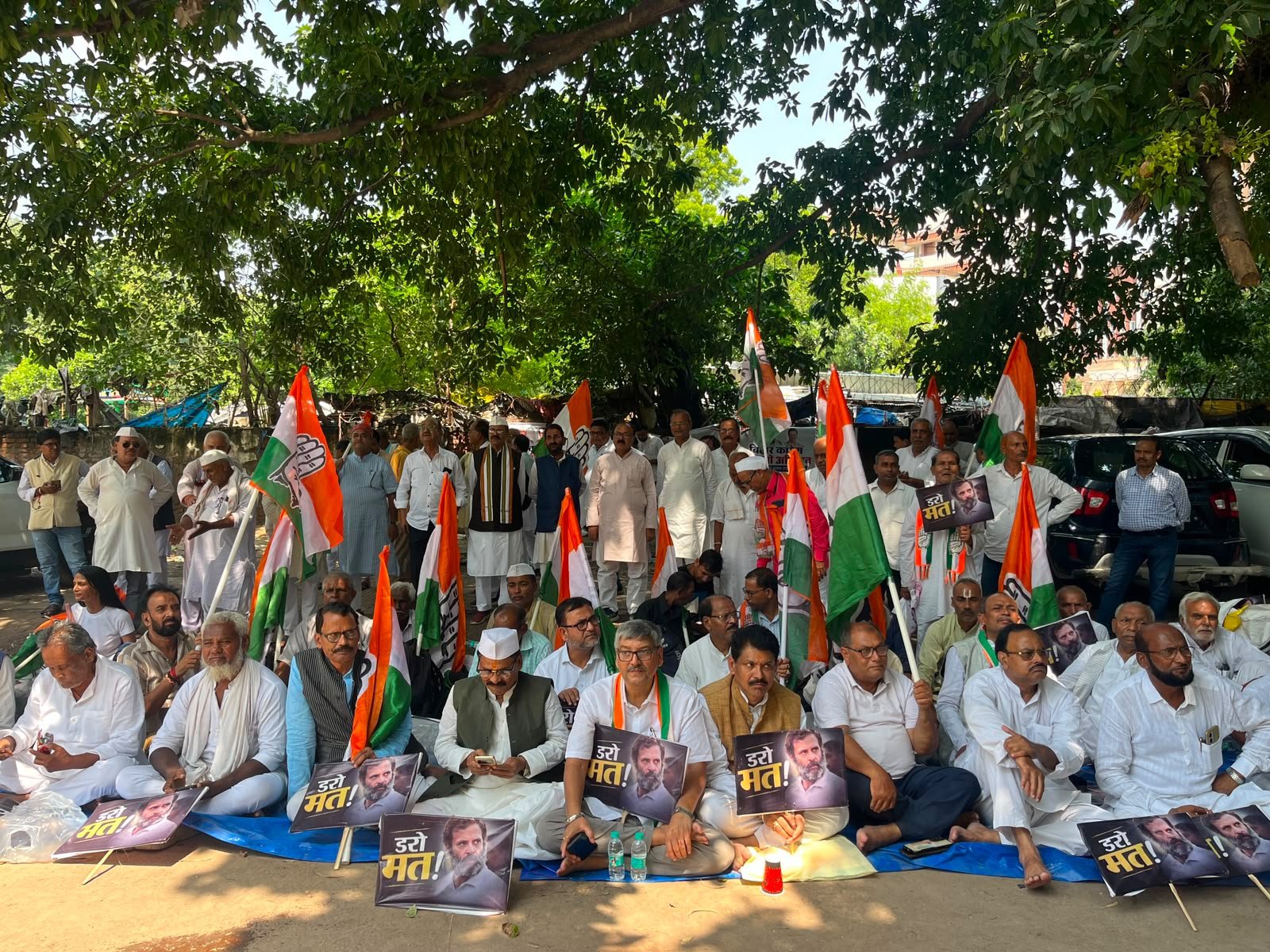
Opposition parties, too, have accused the government of interfering with religious freedom and minority identity.
Members of civil society have warned that the new law could potentially conflict with Articles 29 and 30 of the Indian Constitution, which safeguard the educational rights of minorities.
Assam had earlier taken a similar step by abolishing its Madrasa Board and merging around 1,200 madrasas into the general education system. Uttarakhand is now preparing to implement this new policy on the same model.
Education experts, however, caution that affiliating madrasas with the state board will not be easy.
Most madrasas currently lack trained teachers, laboratories, and digital infrastructure needed for modern subjects.
All madrasas have been given until July 2026 to complete the affiliation process, after which non-compliant institutions may face action.
The Uttarakhand government insists that the reform is a “historic step toward educational improvement,”
but religious organizations argue that it will “destroy the soul of the madrasa system.”
All eyes are now on how Uttarakhand balances its “new education policy” with its “traditional religious learning” after July 2026.