

The advent of Ramadan is not merely the announcement of a religious festival; it is an invitation to a comprehensive moral, spiritual, and social transformation. This sacred month not only reconnects an individual with the Creator but also awakens a deeper sense of responsibility toward family, society, and the wider community. In this season of mercy, blessings, and forgiveness, true success belongs to those who refuse to confine Ramadan to ritual observances alone and instead embrace it as a catalyst for genuine change in their lives.
The foremost obligation of Ramadan is the observance of complete fasting. Fasting is a foundational pillar of Islam with no substitute. Believers are urged to observe every fast to the fullest extent possible, refraining only when Islamic law permits. In doing so, they strive toward the higher objective of Ramadan—cultivating God-consciousness. Fasting trains the individual in self-restraint, patience, integrity, and a heightened sense of moral accountability.
Equally significant are the nightly prayers of Taraweeh and Tahajjud, which nourish spiritual growth. Standing before the Almighty in the stillness of the night softens the heart, purifies the gaze, and strengthens resolve. These intimate moments of reflection allow individuals to acknowledge their shortcomings and renew their commitment to personal reform.
Ramadan shares an inseparable bond with the Qur’an. It is imperative that Muslims dedicate themselves to completing at least one full reading of the Holy Qur’an with translation and understanding during this month. Mere recitation without reflection falls short of its transformative purpose. The true aim is to internalize its teachings and apply them to both personal and collective life—an engagement that must continue beyond Ramadan throughout the year.
Intellectual and spiritual development also form an essential dimension of the month. Daily study of authentic religious texts or listening to credible scholars sharpens awareness and deepens insight. Even committing to reading ten pages a day can significantly strengthen one’s intellectual maturity and collective consciousness.
Ramadan also calls for practical introspection. It is a time to reassess career paths, plan for the future, initiate new endeavors, and offer special supplications for success. The balance between devotion and disciplined action reflects the true spirit of Islam.
Strengthening family bonds is another central teaching of Ramadan. Letting go of grudges, seeking forgiveness, and nurturing relationships with sincerity and compassion lay the foundation for social stability. Strong families form the backbone of a healthy society.
At the same time, the faithful are reminded to pray for prisoners, the oppressed, and the innocent across the world. Those unjustly detained, advocates of justice, and communities suffering under oppression—including the people of Palestine—must remain part of the collective moral consciousness. Prayer and tangible solidarity with victims of injustice are expressions of living faith.
The proper and transparent distribution of Zakat and charity is a cornerstone of social justice. Zakat must reach its rightful beneficiaries and institutions committed to its authentic objectives, while voluntary charity should continue to support the broader needs of the vulnerable.
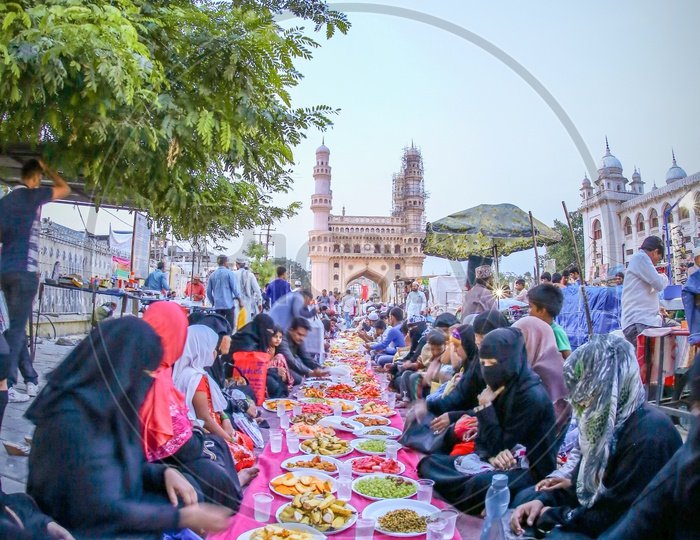
Hosting and attending iftar gatherings fosters social harmony and strengthens bonds of brotherhood. Reviving this tradition within homes and neighborhoods reinforces communal unity and shared purpose.
Ramadan also carries a message of collective engagement. Islam emphasizes not only individual devotion but also organized, constructive efforts for reform. Aligning oneself with positive and principled initiatives can contribute meaningfully to social transformation.
Economic integrity is likewise a religious responsibility. Earning through lawful means, supporting one’s family, assisting the needy, and investing time and resources in education, advocacy, human rights, economic empowerment, and intellectual advancement represent authentic service to faith and humanity.
Finally, the formation of collective consciousness depends significantly on responsible journalism. Supporting principled and justice-oriented media institutions is a social duty, enabling them to serve faith, community, nation, and humanity with integrity.
Ramadan ultimately teaches that worship must be reflected in character, spirituality in service, and prayer in action. If observed with sincerity and seriousness, this sacred month can become a journey—from individual reform to the rebuilding of the community itself.