

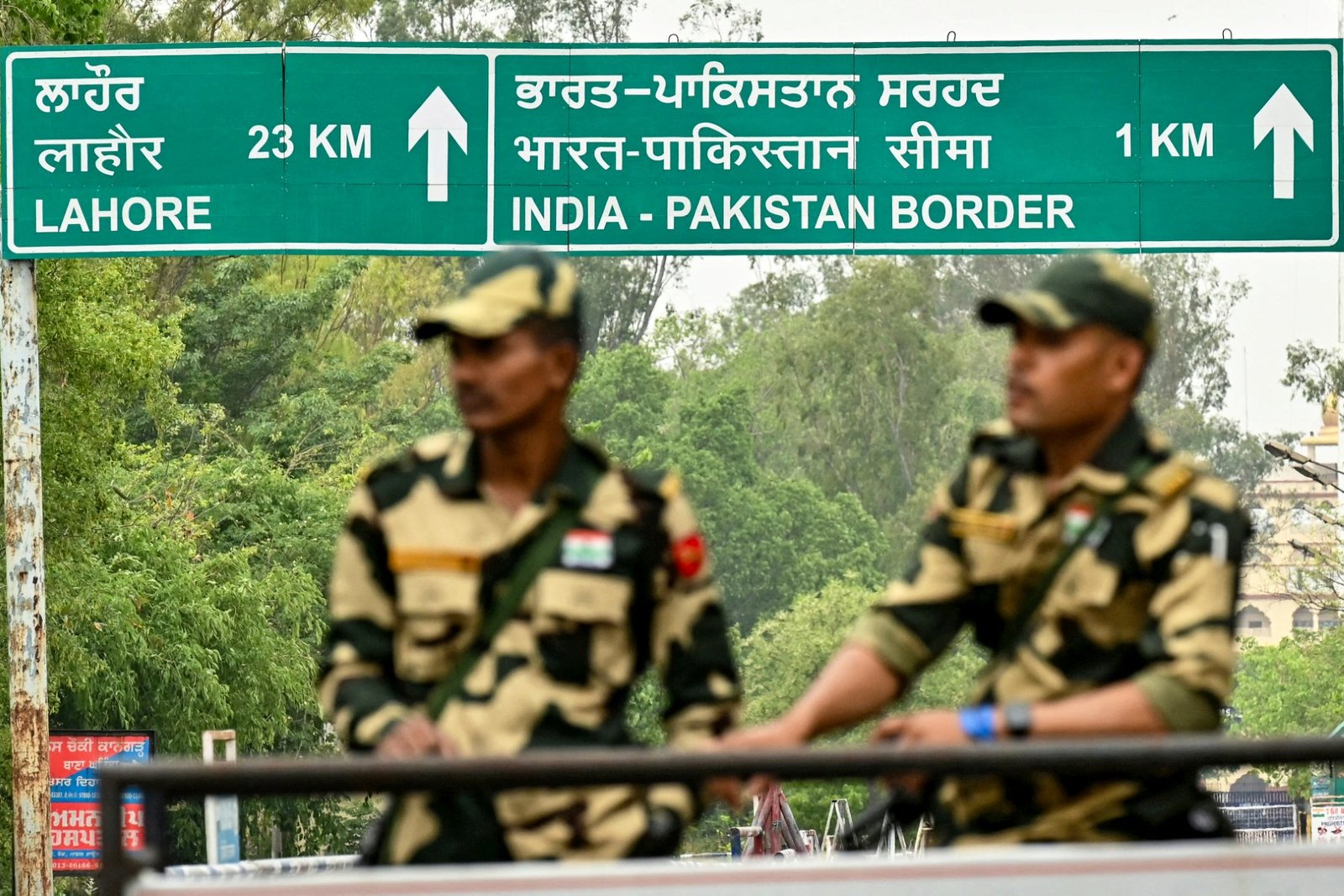
New Delhi: India and Pakistan carried out their biannual exchange of prisoner and fishermen lists on July 1, sending the details to each other through diplomatic channels in New Delhi and Islamabad at the same time. The exercise was carried out under the 2008 Agreement on Consular Access, the Ministry of External Affairs said.
According to the MEA, India handed over the names of 386 civil prisoners and 53 fishermen in Indian jails who are Pakistani nationals or suspected to be so. Pakistan shared a similar list, naming 52 civil prisoners and 198 fishermen in its custody who are believed to be Indian.
India Demands release of 188 nationals
India pressed Pakistan to fast-track the release of 188 Indian fishermen and civil prisoners whose sentences have already ended. The MEA also flagged 13 cases where consular access to suspected Indian nationals has still not been granted, and asked Islamabad to allow this without further delay.
India also renewed older demands, including the release of remaining prisoners, the return of fishing boats seized by Pakistan, and information on Indian defence personnel still unaccounted for.
Islamabad’s response
Pakistan’s foreign ministry said it had passed on a list of 250 Indian prisoners to New Delhi. In return, it asked India to release 97 Pakistani nationals, 64 of them civilians and 33 fishermen, whose jail terms are over and whose Pakistani nationality is not in dispute.
Islamabad also sought faster consular access for all detainees believed to be Pakistani, to help confirm their nationality quicker. The request was almost identical to India’s own, pointing to shared concerns on both sides despite the broader political chill.
One of the few channels still open
The list exchange takes place every January 1 and July 1 under the 2008 pact, and remains one of the rare mechanisms still working between the two countries even as most other ties stay frozen. A separate list of nuclear installations is also swapped once a year as part of a different agreement.
Most of those held on either side are fishermen, picked up for straying across the maritime line near Sir Creek while at sea.
Road ahead
The 2008 agreement calls for repatriation within a month once a prisoner’s nationality is confirmed, meaning some releases could follow soon if both governments act on their commitments. Cases tied to security concerns, however, may take longer, since either side can hold back release on such grounds.
Some analysts view the twice-yearly exchange as a modest but consistent confidence-building step, one that keeps a line of communication open between the two countries even during periods of heightened tension.