

Amid escalating tensions in West Asia, diplomatic activity in the Gulf region has intensified. The United Arab Emirates (UAE) has made it clear that its airspace will not be used for any military operations. The Emirati government reiterated that there will be no compromise on the country’s sovereignty, security, or regional integrity.
The statement comes at a time when tensions between Iran and the United States continue to rise, raising fears of a regional confrontation. Analysts say the UAE’s stance signals that Gulf countries want to maintain distance from direct conflict while remaining fully vigilant about their security.
Pakistan Sends a Balanced Message
Meanwhile, Ishaq Dar stated that Pakistan has informed Iran about the existing defense agreement between Islamabad and Saudi Arabia. Experts view his statement as significant in the context of regional power dynamics.
According to analysts, Pakistan’s position is delicate. On one hand, it shares a long border and cordial relations with Iran; on the other, Saudi Arabia is one of its major strategic and economic partners. The statement underscores Pakistan’s strategic priorities in a potential crisis.
US Monitors Strait of Hormuz
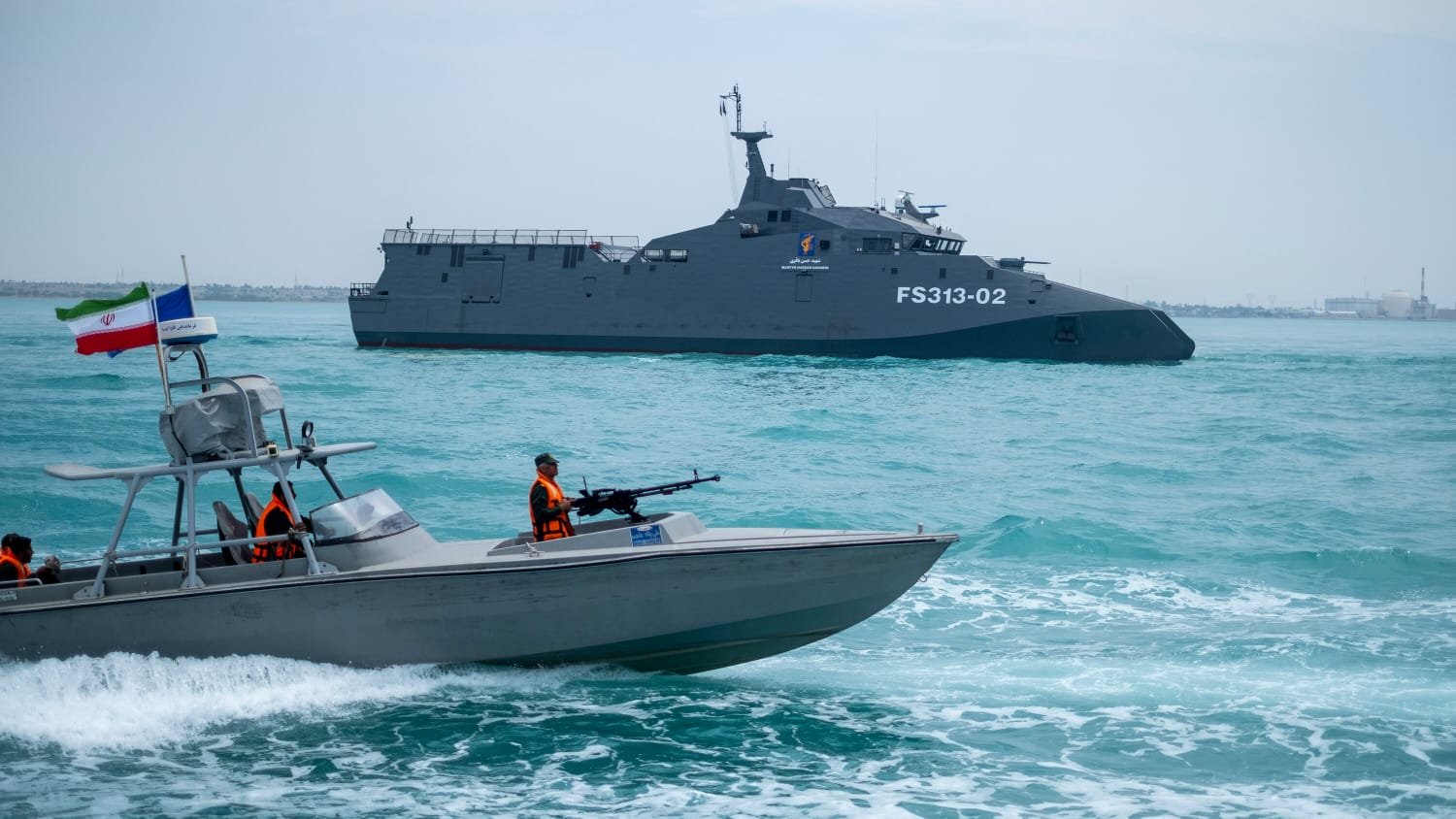
The US military has claimed that no Iranian military vessels are currently present in the Gulf of Oman or the Strait of Hormuz. According to American officials, maritime routes in the region remain fully secure, and there is no immediate threat to international navigation.
The Strait of Hormuz is considered a lifeline for global energy supplies, with a significant portion of the world’s oil trade passing through it. Any military activity could directly impact international oil prices and global markets.
Heightened Regional Vigilance
Following recent developments, Gulf states have put their defense mechanisms on high alert. Security has been tightened at airports, ports, and energy installations, with continuous monitoring of both Western military activity and Iranian movements.
Political analysts suggest that while all parties are trying to avoid open conflict, the rhetoric and military preparations indicate a fragile situation. In the coming days, diplomatic initiatives and international interventions will play a critical role in determining the severity of the crisis.
West Asia has once again become the center of global politics, where every statement and military movement carries international consequences.