

Insaaf Times Desk
To understand Bihar’s politics, one must view it through the lens of caste. From this perspective, the most significant yet historically overlooked group is the Extremely Backward Class (EBC). Accounting for roughly 38% of the state’s population, this community includes castes such as Nai (barbers), Dhobi (washermen), Teli (oil-pressers), Kahar, Machhuaara (fishermen), Kushwaha-Shakya-Maurya, Halwai (sweet makers), Nuniya, Lohar (blacksmiths), Mali (gardeners), Gola, Kumhar (potters), and dozens of other smaller groups.
Originally, the EBCs were service-based castes in rural areas—cutting hair, washing clothes, fishing, and rope-making. On the social and educational ladder, they remained at the bottom. According to the 2011 Census, their literacy rate in Bihar is the second-lowest after Dalits, and their participation in higher education and competitive exams is negligible.
Historically, political representation for EBCs has also been limited. While the Mandal politics of the 1990s empowered Yadavs, Kurmis, and Koeris, EBCs largely remained marginalized.
After Nitish Kumar came to power in 2005, EBCs became a central pillar of Bihar’s politics. In 2006, 20% of Panchayat seats were reserved for EBCs, with 50% of reservations applied to women. This gave rural women from castes like Nai, Machhuaara, Dhobi, and Kahar the opportunity to become village heads and leaders.
BJP and Congress’ New Strategies
Since 2014, the BJP has actively sought to consolidate the EBC vote bank by:
Strengthening ties with the Teli community (Prime Minister Narendra Modi himself belongs to the Teli caste),
Targeting the Kushwaha (Maurya-Shakya) voter base, and
Bringing smaller trading castes into its fold.
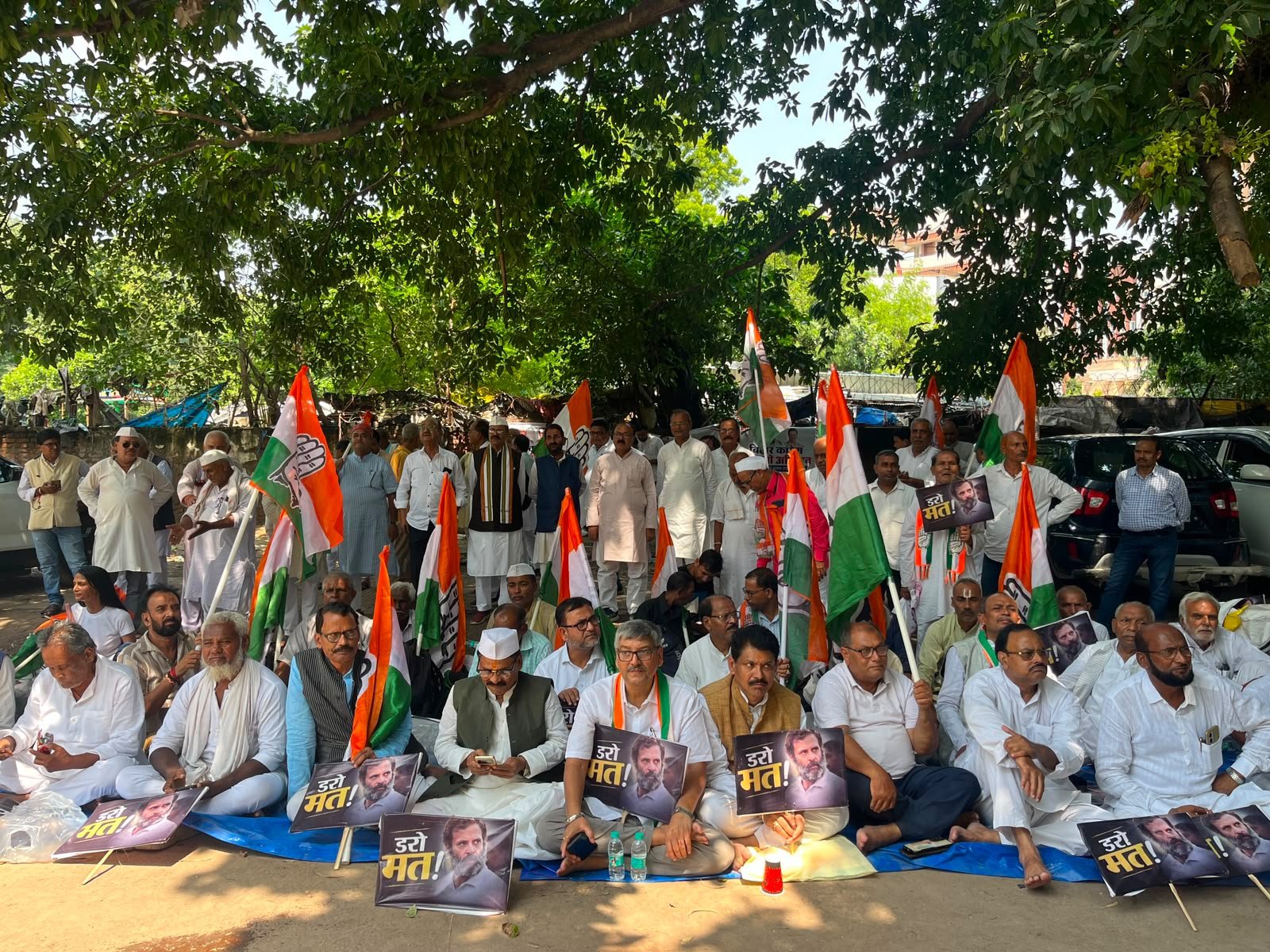
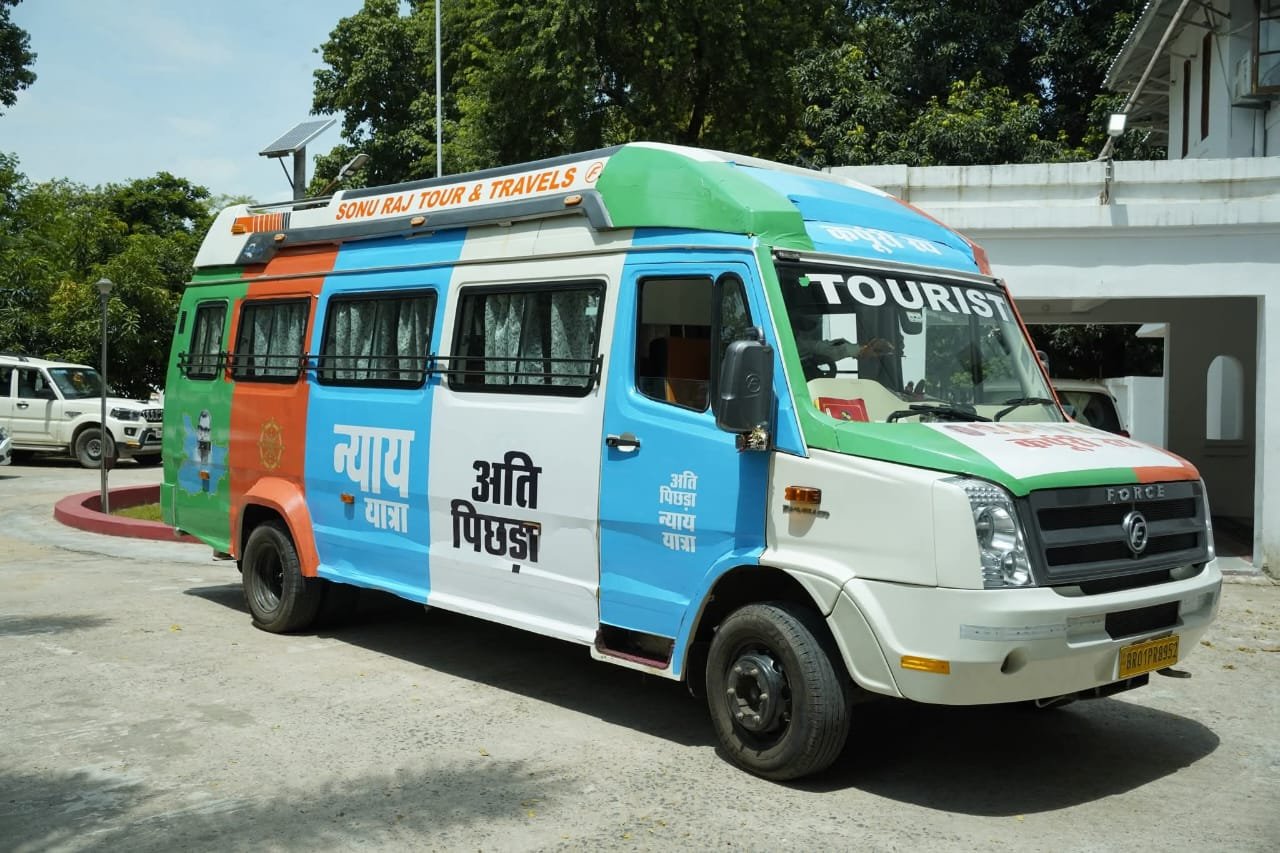
At the same time, Tejashwi Yadav and Congress have also been trying to engage the EBC community. Under the “Ati-Pichhda neyae Yatra,” Congress has reached out to villages through informal gatherings like Kapuri Chaupals and film screenings to connect with EBCs intellectually and culturally.
In the 2020 Assembly elections and 2024 Lok Sabha polls, the EBC community played a decisive role. Their participation in Panchayat and urban elections has been steadily increasing. However, at the state and national leadership level, power still largely rests with Yadavs, upper castes, and Kurmis.
Experts say that if the EBC community advances in education, economic empowerment, and political unity, Bihar’s next Chief Minister or a national leader could emerge from this group.
The key to Bihar’s politics now lies firmly in the hands of the Extremely Backward Classes. No political party can afford to ignore them.