

The issue of not including Urdu as a subject in Bihar’s newly established degree colleges is now emerging as a serious political and academic matter even within the ruling alliance. Janata Dal (United) National General Secretary and Bihar Legislative Council member Afaq Ahmad Khan has directly written to Chief Minister Samrat Choudhary, seeking intervention in the matter. Copies of the letter have also been forwarded to the Education Department and the Education Minister, indicating that the JD(U) is raising the issue not only at the organizational level but also at the governmental level.
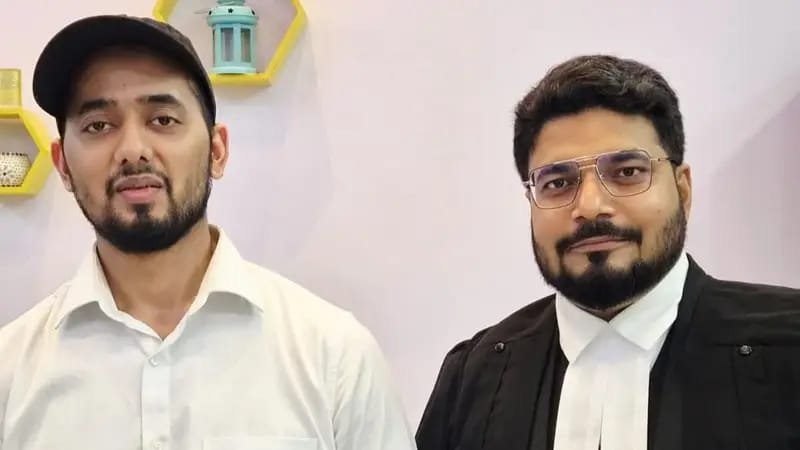
The controversy began when Sajid Mojeeb, President of the JD(U) Delhi Minority Cell, objected to the fact that not a single Assistant Professor post had been allocated for Urdu in the 208 new degree colleges being established under the Bihar government’s “Seven Resolves-3 (2025–30)” scheme. He termed it an injustice against the Urdu language and the lakhs of students, researchers, and NET/PhD-qualified youth associated with it.
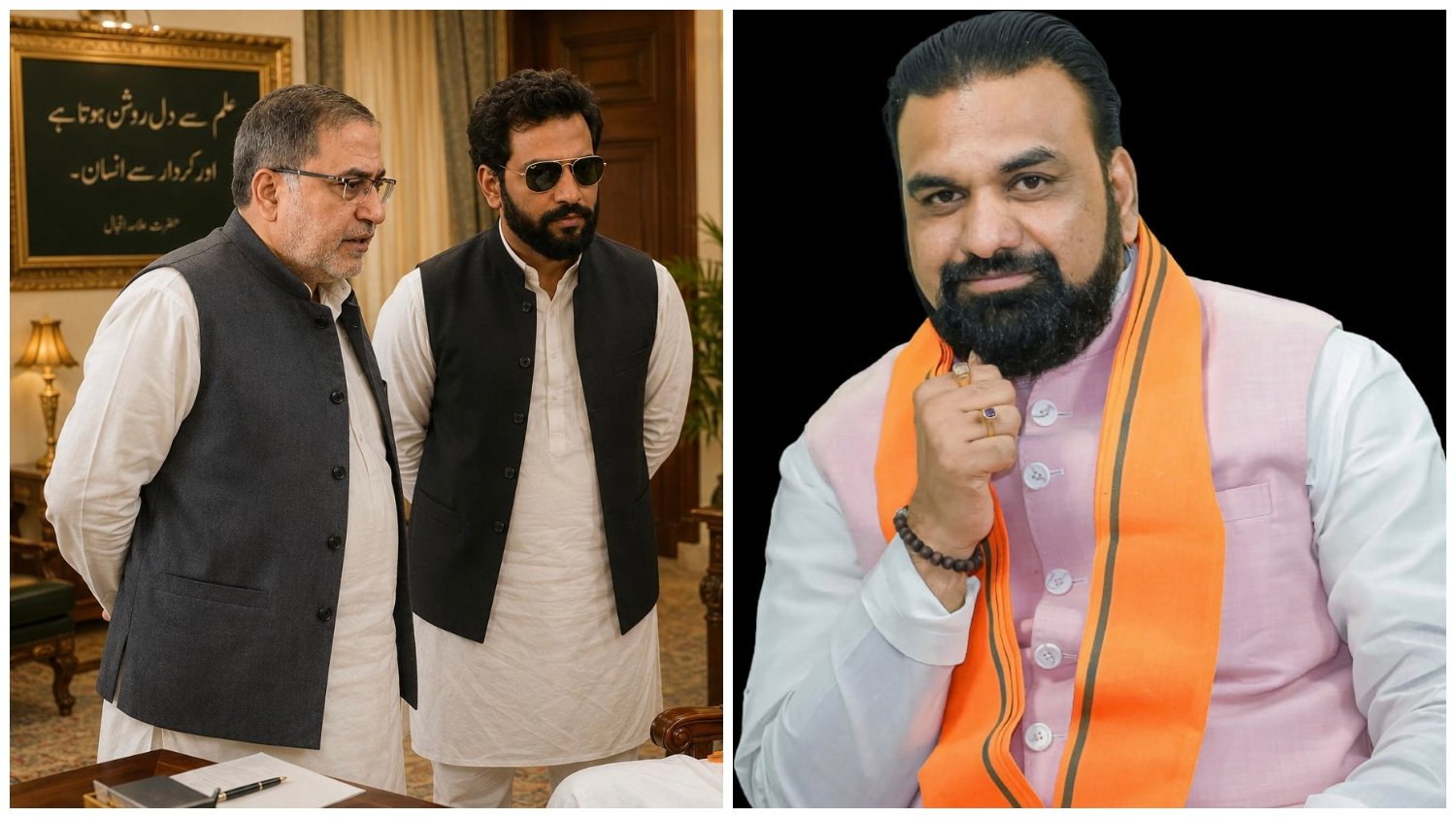
The detailed representation submitted by Sajid Mojeeb has now been formally forwarded to Chief Minister Samrat Choudhary by senior JD(U) leader and Legislative Council member Afaq Ahmad Khan. In his letter, Afaq Ahmad Khan urged the Chief Minister to seriously consider the concerns raised in Sajid Mojeeb’s application and ensure a proper place for Urdu as an academic subject in Bihar’s newly established degree colleges.
In his official communication, Afaq Ahmad Khan stated that Sajid Mojeeb, President of the JD(U) Minority Cell Delhi unit, had highlighted important educational issues related to the Urdu language and that the government should take positive steps in this direction. He requested the Chief Minister to sympathetically consider the demands mentioned in the letter, including the inclusion of Urdu in the new colleges.
Politically, the matter is considered significant because the current Bihar government is led by the BJP-led NDA alliance, in which Janata Dal (United) is a major partner. Chief Minister Samrat Choudhary himself heads this NDA government. In such a scenario, senior JD(U) leaders directly raising the issue of Urdu representation before the Chief Minister and the Education Department is being viewed as an important political signal.
Supporters of the demand have also presented a strong academic argument. JD(U) leaders say that Urdu is Bihar’s second official language and has been taught for decades in several universities and colleges across the state. Despite this, the absence of even a single post for Urdu in the new degree colleges amounts to ignoring the constitutional and educational rights associated with the language.
In his statement, Sajid Mojeeb also pointed out that the National Education Policy (NEP 2020) places special emphasis on promoting mother tongues and regional languages. In such a situation, completely excluding Urdu goes against the fundamental spirit of the education policy itself. He demanded that adequate Assistant Professor posts be created for Urdu, the recruitment process be reviewed, and dialogue be initiated with representatives of Urdu teachers and aspirants.
Following the official intervention by Afaq Ahmad Khan, the political significance of the issue has further intensified. It is believed that in the coming days, debates surrounding Bihar’s education policy, linguistic representation, and appointments of Urdu teachers are likely to grow stronger. Urdu organizations and educationists are now closely watching the next response from the Chief Minister’s Office and the Education Department.