

Sadiya Tahseen
Journalist/Columnist
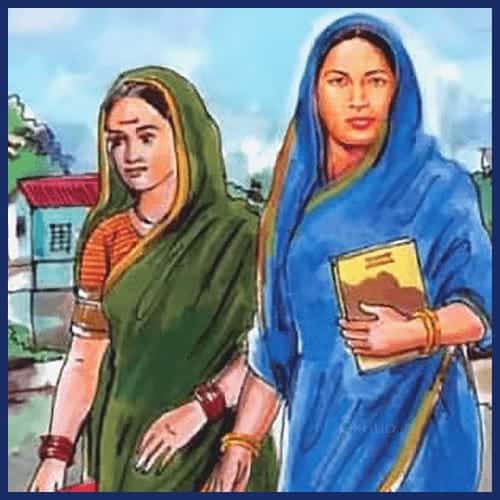
Fatima Sheikh, a trailblazer in the realm of education, holds the distinction of being India’s first Muslim woman teacher. Born in 1834 in Pune, Maharashtra, she overcame societal norms and challenges to contribute to the field of education during a time when female participation was limited.
She played a pivotal role in breaking gender and religious barriers, leaving an indelible mark on the landscape of education during the 19th century. During that era, education for girls, especially from the Muslim community, was a rarity in India. Fatima Sheikh, however, defied these norms.
She received her early education from her father, who recognized the importance of educating both sons and daughters. Later, she continued her studies, displaying a keen interest in various subjects.
Her journey began with her involvement in the social and educational reforms initiated by Jyotirao Phule, a prominent social reformer. Phule recognized the importance of education in dismantling caste and gender inequalities, and Fatima Sheikh became a devoted ally in this noble cause.
Inspired by his vision of social equality and education for all, Fatima Sheikh joined hands with him in establishing the first school for girls in Pune. In 1848, they founded the “Native Female School” with the aim of breaking barriers and providing education to girls, including those from marginalized communities.
Fatima Sheikh assumed the role of the school’s inaugural teacher, challenging societal norms not only as a woman but also as a Muslim in a predominantly Hindu society. Her unwavering commitment to offering education to girls, irrespective of their background, represented a revolutionary stride towards inclusivity.
Despite facing opposition and criticism from conservative sections of society, Fatima Sheikh remained steadfast in her mission. Her work not only empowered girls but also challenged stereotypes about the roles of women in education. She set a precedent for others to follow and played a pivotal role in shaping the discourse around women’s education in India.
In recognition of her pioneering efforts, it is essential to acknowledge Fatima Sheikh’s role not only as a teacher but as a catalyst for societal change. Her story underscores the transformative power of education and the ability of individuals, regardless of their background, to challenge the status quo and foster positive change in society.
On 9th of January, we celebrate the strides made in women’s education, we must remember and honor the trailblazing efforts of Fatima Sheikh, India’s first Muslim woman teacher. Her legacy continues to inspire generations, serving as a reminder that education is a powerful tool for empowerment and social change and remains a testament to the transformative power of education in shaping a more inclusive society.