

The global energy market is currently facing an unprecedented crisis. Rising military pressure by the U.S. and Israel on Iran in the Middle East has effectively blocked the world’s most important oil transit route, the Strait of Hormuz. As a result, global oil supply has been disrupted, and market volatility has increased.
Images of recent attacks on the Bapco oil refinery in Bahrain provide evidence that the conflict has now directly reached energy infrastructure. The closure of the strait has halted the daily transport of 20 million barrels of oil, which accounts for roughly 25 percent of global maritime oil trade. In several countries, oil production has been reduced or stopped as ships are not allowed to load.
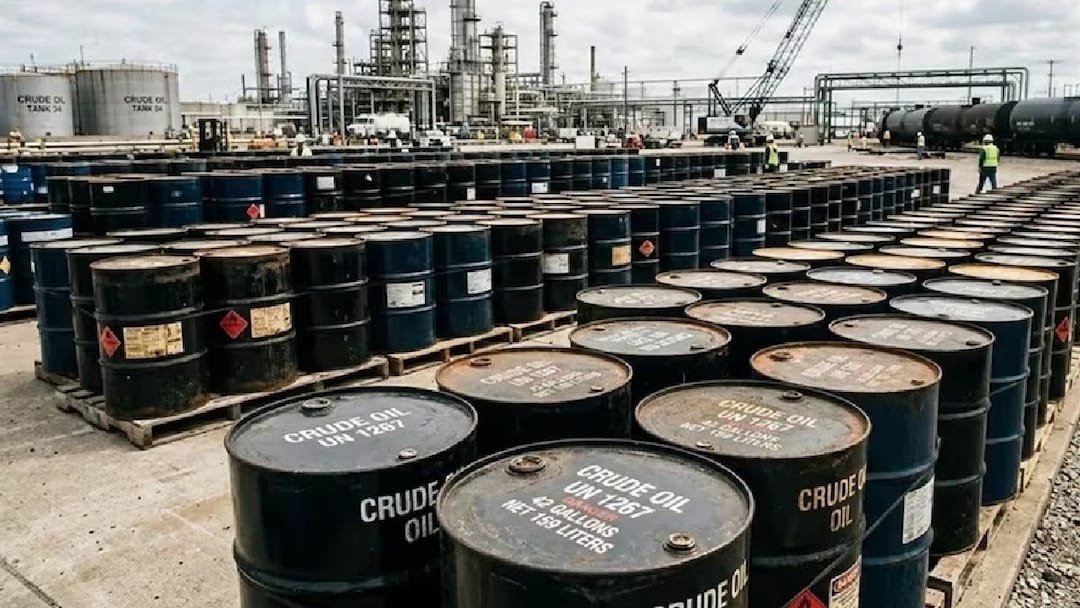
In view of this critical situation, the 32 member countries of the International Energy Agency (IEA) have unanimously decided to implement the largest collective emergency oil release in history. A total of 400 million barrels of oil will be released from member countries’ reserves into the market. IEA Executive Director Fatih Birol stated that this move is necessary to reduce market volatility and strengthen global energy security. Experts say that this oil will provide an alternative to the disrupted supply from the Hormuz route for approximately 20 days.
This crisis in the oil market is also directly affecting prices. Brent Crude had reached $120 per barrel following the outbreak of the conflict, while after the IEA announcement, prices slightly decreased to around $85–$90 per barrel. Analysts warn that this is only a temporary relief, and if the conflict continues, oil prices could rise even further.
Not just the oil market, but global economies are also being impacted by this crisis. Expensive energy could increase production costs for industries, causing consumer goods prices to rise. Energy security in oil-importing countries is also at risk. India, observing the situation, has decided to purchase about 30 million barrels of oil from Russia, allowed under the U.S.’s 30-day temporary waiver.
Analysts caution that if the war persists for a long time and the blockage in the Strait of Hormuz continues, oil prices could rise to $150 or more. Simultaneously, global economic growth could slow down, and there is an increased risk of recession in energy-dependent sectors.
The IEA’s emergency release provides a temporary relief signal for the global energy market, but experts believe it is insufficient to mitigate the long-term impacts of the conflict. Leading global economic and energy specialists also warn that the current crisis will not be limited to oil prices alone but could have widespread effects on global industry, trade, and consumer price levels.