

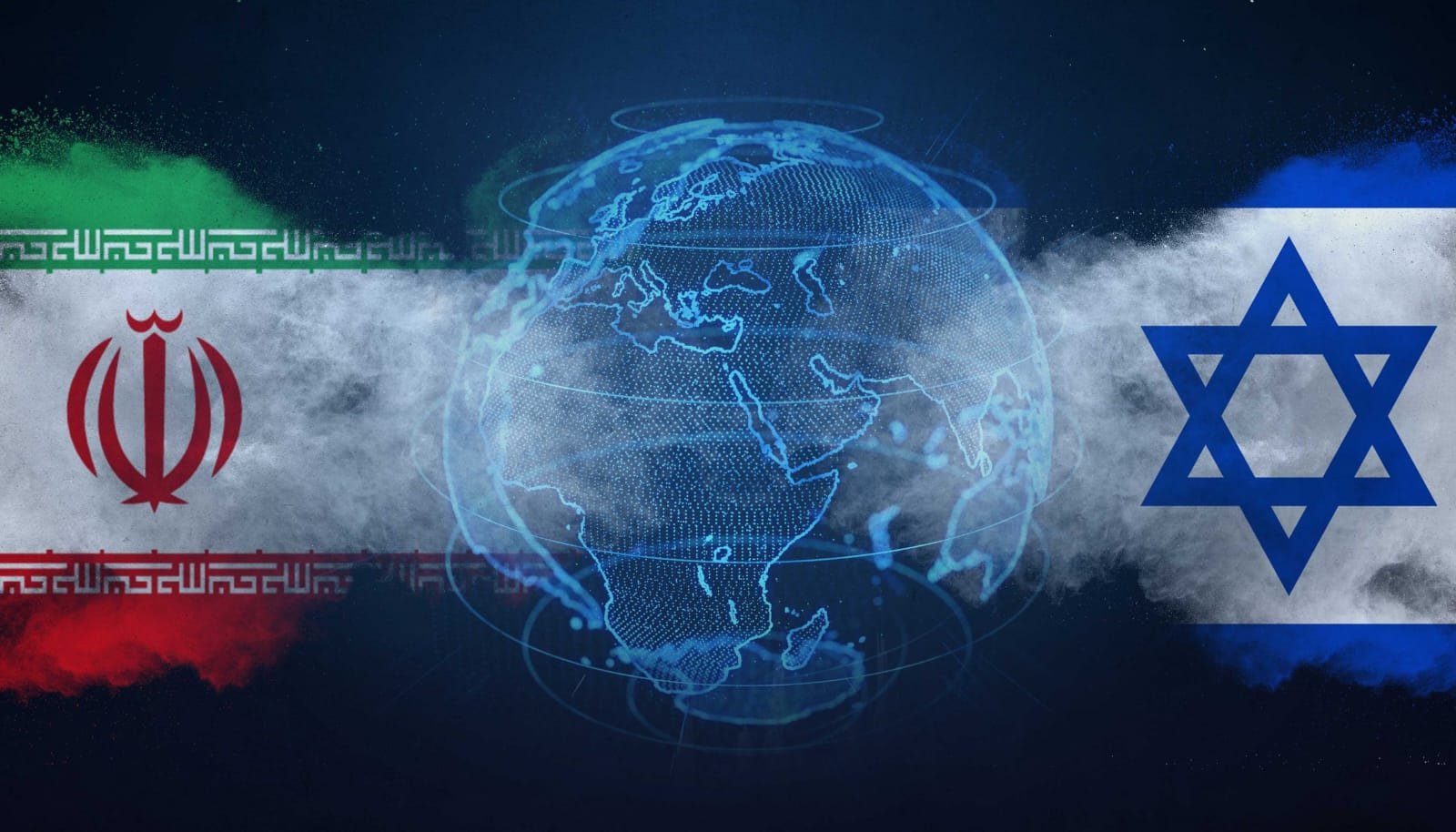
The Gulf region has reached a critical point of tension. In retaliation to U.S. and Israeli strikes on Iran, Tehran has launched a sustained series of drone and missile attacks targeting Kuwait, Bahrain, Qatar, the United Arab Emirates, and Saudi Arabia. These attacks have not only targeted U.S. military installations and key civilian infrastructure but have also posed serious risks to global energy and economic security.
High Alert in Bahrain and Qatar
In Bahrain, an Iranian drone was intercepted over the Financial Harbour Towers in the capital Manama, which houses the Israeli embassy. According to Bahraini defense forces, 78 missiles and 143 drones have been destroyed during Iranian attacks. In Qatar, multiple drones and two ballistic missiles were intercepted over Al Udeid Air Base.
Strikes in UAE and Kuwait
Missile and drone interceptions continued over Abu Dhabi skies in the UAE, resulting in six injuries. In Kuwait, missiles were fired at U.S. installations near Al-Salem Air Base, prompting the temporary closure of the American embassy.
Iran’s Warning and Global Response
Iran’s military has warned that attacks will continue. President Dr. Masoud Pazhikian emphasized to neighboring countries that peace and stability can only be achieved through regional cooperation. China and Russia have reportedly supplied Iran with advanced electronic warfare systems and satellite technology.
Internationally, European Union leaders condemned Iran’s attacks and voiced support for Gulf states. Oil and gas prices surged as transit through the Strait of Hormuz was disrupted, affecting nearly 20% of the world’s crude oil shipments.
Regional and Humanitarian Impact
So far, the conflict has claimed over 1,230 Iranian civilian lives, dozens of Israeli casualties, and several U.S. military personnel. Many civilians have been injured, and air travel and oil transport have been disrupted. Experts warn that the frequency and intensity of attacks could increase in the coming days.
Gulf states are now prioritizing the safety of civilians and military installations. Qatar and Bahrain have issued temporary evacuation orders for residents near U.S. embassies.
This Middle East conflict has escalated beyond a military confrontation, becoming a regional war and a global crisis, posing severe economic, political, and humanitarian risks.