

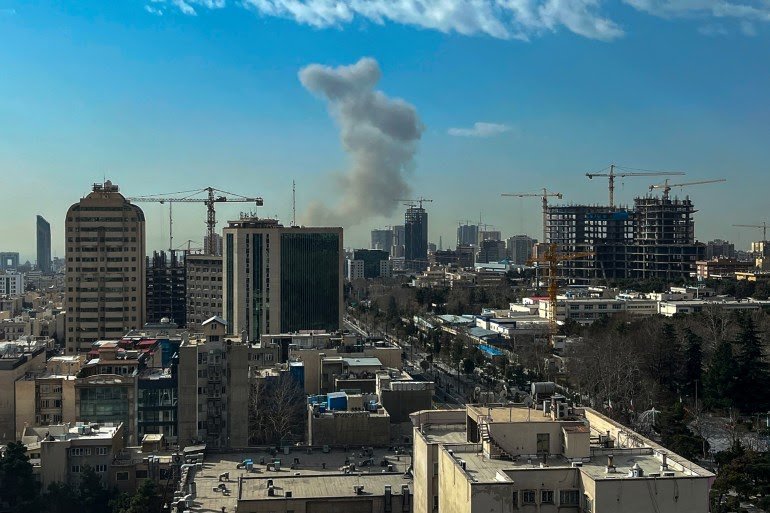
Long-simmering tensions in the Middle East escalated into open military confrontation on Saturday after Israel announced the launch of an “initial military strike” against Iran. Shortly after the announcement by Israel’s defense minister, multiple loud explosions were reported in Iran’s capital, Tehran, with plumes of smoke seen rising from various parts of the city.
In an official statement, the Israeli military said the operation was carried out in the interest of national security and aimed at “neutralizing” potential threats. The Defense Ministry urged civilians to remain close to designated shelters as a precaution and to strictly follow official instructions.
Local sources and state media in Tehran confirmed the explosions, though there has been no official word yet on the extent of the damage or possible casualties. Emergency services were reported to be operating at heightened levels in several areas of the capital.
Analysts say the move comes against the backdrop of Israel’s longstanding concerns over Iran’s nuclear program and ballistic missile capabilities. The two countries have for years been engaged in direct and indirect confrontations, competing for regional influence amid persistent security accusations and counter-accusations.
The Israeli military, known as the Israel Defense Forces, has raised its alert level nationwide. Officials have warned that the possibility of retaliatory action by Iran cannot be ruled out.
The international community has expressed deep concern over the developments. Several countries have called on both sides to exercise restraint and avoid further escalation. Diplomatic circles fear that any intensification of hostilities could destabilize the broader Middle East and disrupt global energy supplies.
For now, the region remains on edge, with global attention focused on the next strategic moves from Tehran and Jerusalem.