

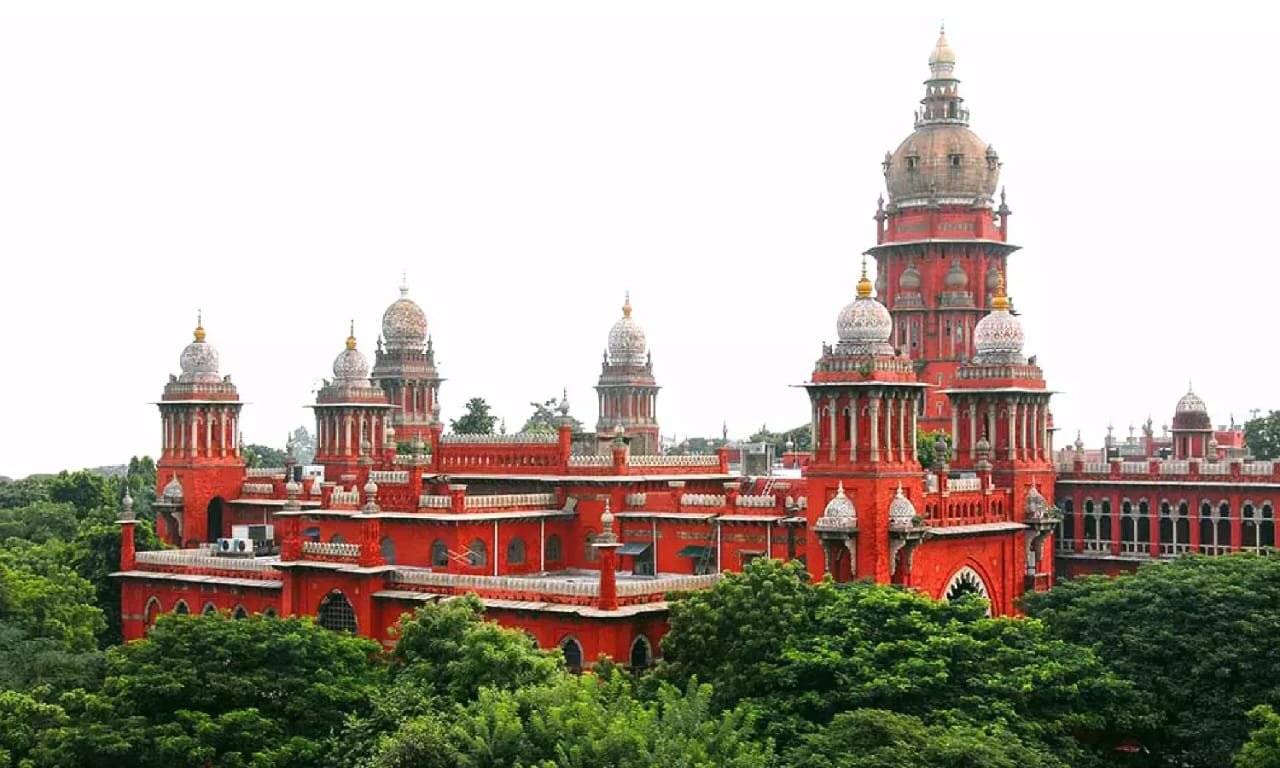
The Madras High Court has made strong and significant observations on preventive detention laws, stating that such laws are “draconian” in nature and cannot be misused for political vendetta or to suppress voices of dissent. The court underlined that these extraordinary powers must be exercised only in the rarest of circumstances and with extreme caution.
A Division Bench comprising Justice S.M. Subramaniam and Justice P. Dhanbal observed that preventive detention is an exceptional power that allows the executive to imprison a person without trial. If such power is exercised with malice, negligence, or for political purposes, courts will view it with utmost seriousness, the Bench said.
The High Court categorically stated that preventive detention laws cannot be used either to settle political scores or to silence critics of the government. The Bench warned that if detention orders are found to have been issued under external pressure, personal motives, or political vendetta, strict disciplinary action under service rules would be mandatory against the concerned police and administrative officials.
Emphasising the importance of personal liberty, the court said it is not a concession granted by the State but a fundamental right guaranteed by the Constitution. The State acts as a guardian of citizens, and failure to protect this right would amount to unconstitutionality. In such cases, the affected citizen would be entitled to appropriate relief, including compensation, against the State and its officials.
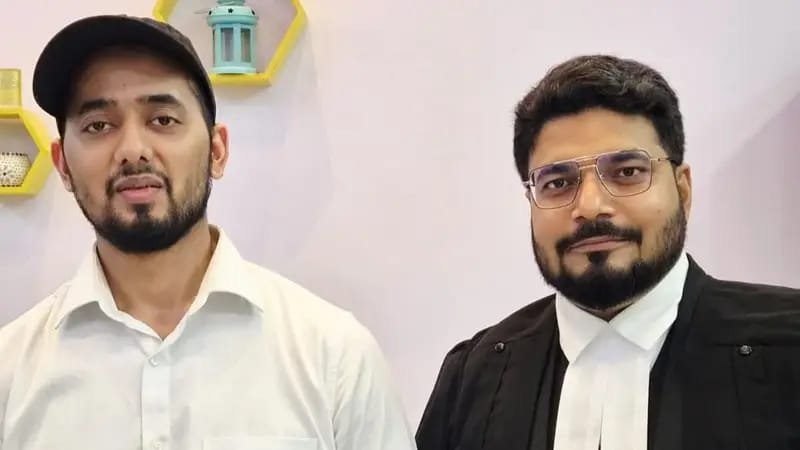
These observations were made in a case related to the detention of Tamil Nadu-based YouTuber and investigative journalist Varaki. He was detained under the Tamil Nadu Goondas Act and branded a “sexual offender” through a preventive detention order. His wife filed a habeas corpus petition before the High Court, alleging that her husband was targeted for criticising the State government and the administration.
In its order, the court noted that five criminal cases registered against Varaki had already been transferred to the CBCID. A single judge of the High Court had earlier found these cases to be prima facie mala fide. Another case pertained to a dispute between a landlord and a tenant, which could have been resolved before the Rent Control Court.
Taking these circumstances into account, the High Court granted Varaki interim bail for 12 weeks. The court ordered his release on a personal bond of ₹1 lakh, subject to conditions that he would not leave the country, would not influence witnesses, and would fully cooperate with the investigation.
Preventive detention laws in India have long been a subject of controversy. Human rights organisations allege that these laws are frequently used against journalists, social activists, human rights defenders, minorities, and political dissenters, rather than to address genuine threats to national security.
Human rights experts argue that preventive detention laws violate Article 21 of the Constitution, which guarantees the right to life and personal liberty. In many cases, the grounds for detention remain vague, there are delays in furnishing information, and stringent conditions result in individuals being incarcerated for prolonged periods without trial or conviction.
The Madras High Court’s observations are being viewed as a significant constitutional warning against the misuse of preventive detention laws, not only in Tamil Nadu but across the country.