

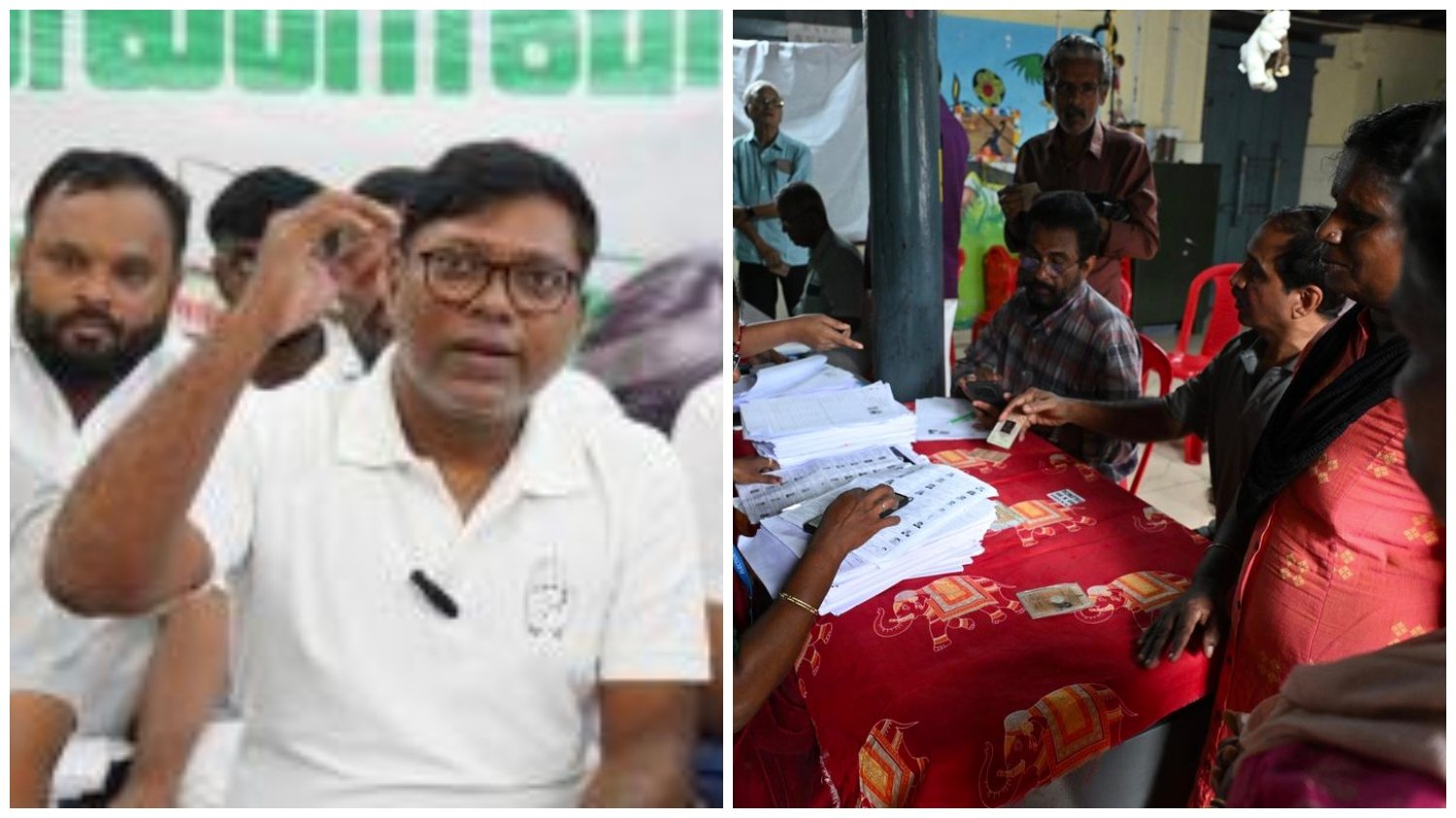
Congress MP Sasikanth Senthil has raised serious concerns over the Election Commission’s ongoing Special Intensive Revision (SIR) of electoral rolls, alleging that the process is being conducted in a “very strange manner” and contrary to the Commission’s own guidelines.
Senthil described SIR as an extensive process, comparable to a census, which requires verifying, door-to-door, whether a person “ordinarily resides” at a given address. He noted that there are three conditions for inclusion in the electoral roll—Indian citizenship, being 18 years of age, and residence at the location. However, he said, the definition of “ordinary residence” remains unclear, while millions of people in the country live at different places due to work commitments.
The MP emphasized that Booth Level Officers (BLOs) should make decisions based on accurate information, but the current process lacks clarity on the procedures to follow. He added that the one-month deadline for completing the entire SIR process is creating difficulties for both the public and officials.
Senthil highlighted that earlier, duplicate entries in voter lists were removed using duplication-detection software, which repeatedly identified duplicates and allowed BLOs to verify and take necessary action. However, after the recent Lok Sabha elections in Bihar, this software was not used in the SIR process. Citing Reporters Collective, he claimed that Bihar’s electoral rolls still contain around 1.45 million duplicate entries.
He also alleged that BLOs are receiving new instructions daily without proper training, warning that relying solely on ticking forms could disproportionately harm poor and marginalized communities.
According to Senthil, draft electoral rolls in several states have already been published, and he estimates that 10–15 percent of genuine voters’ names could be removed in the current process.
The MP demanded that the Election Commission release a transparent white paper on the SIR process, clearly stating when and how duplication checks were conducted, what is being done currently, and what new apps or technologies are being used.
“Citizens deserve clear answers. The confusion and errors in voter lists can no longer be ignored,” he asserted.