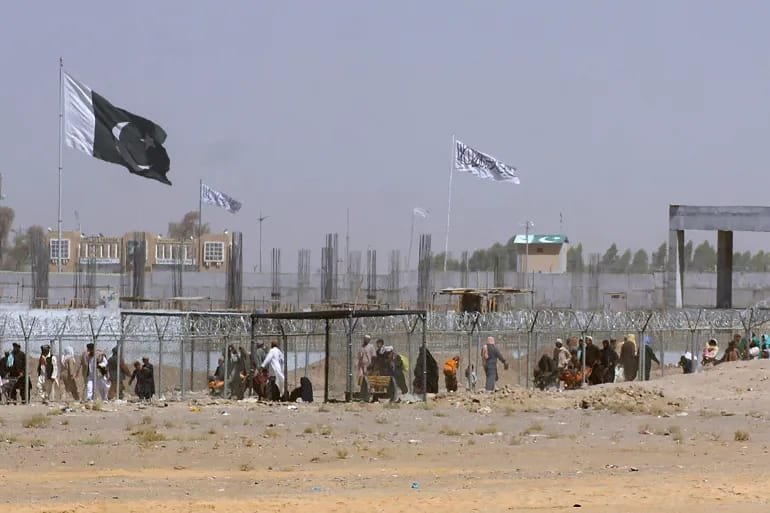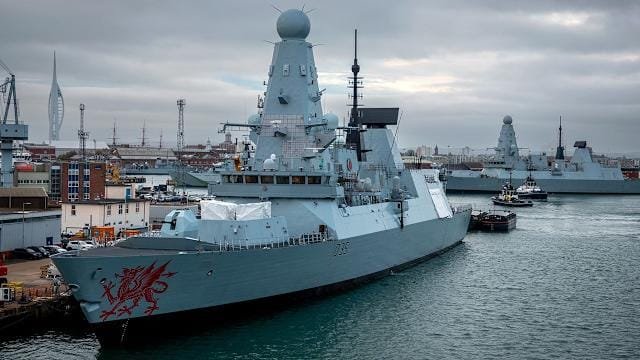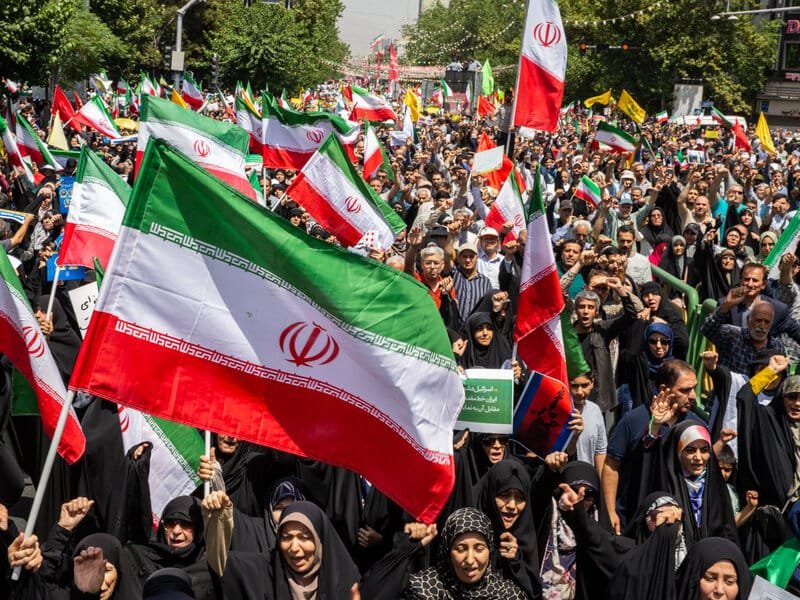


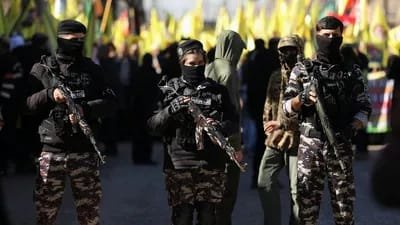
Amid already heightened tensions in the Middle East, a new and concerning development has emerged from the Iran–Iraq border region. According to international media reports, thousands of Kurdish fighters based in Iraq’s Kurdistan region are reportedly preparing for a possible ground military operation against Iran. Some reports have also claimed that a number of Kurdish militia fighters have already entered western border areas of Iran. However, these claims have not been independently verified.
Sources say that fighters belonging to Iranian Kurdish groups have recently been seen active in areas along the Iran–Iraq border. These groups reportedly include the Kurdistan Free Life Party (PJAK), the Democratic Party of Iranian Kurdistan, and the Kurdistan Freedom Party. Reports suggest that their activities have particularly increased in the mountainous areas of the Zagros Mountains, located near the Iran–Iraq frontier.
Reports of U.S. Contacts, Official Denial
Some international reports have also suggested that discussions may have taken place in recent days between Kurdish leaders and U.S. officials regarding potential cooperation. However, the White House has denied these claims, stating that the United States has made no decision to provide weapons to Kurdish forces or support any ground campaign against Iran.
*Mysterious Helicopter Activity in Najaf Desert
Meanwhile, Iraqi sources have claimed that an airborne operation involving four to seven helicopters was carried out in the Najaf Desert. The operation is believed to have been aimed at installing surveillance equipment or providing assistance to anti-Iranian groups. However, no country has officially confirmed involvement in the reported activity.
Iran Calls Reports ‘Psychological Warfare’
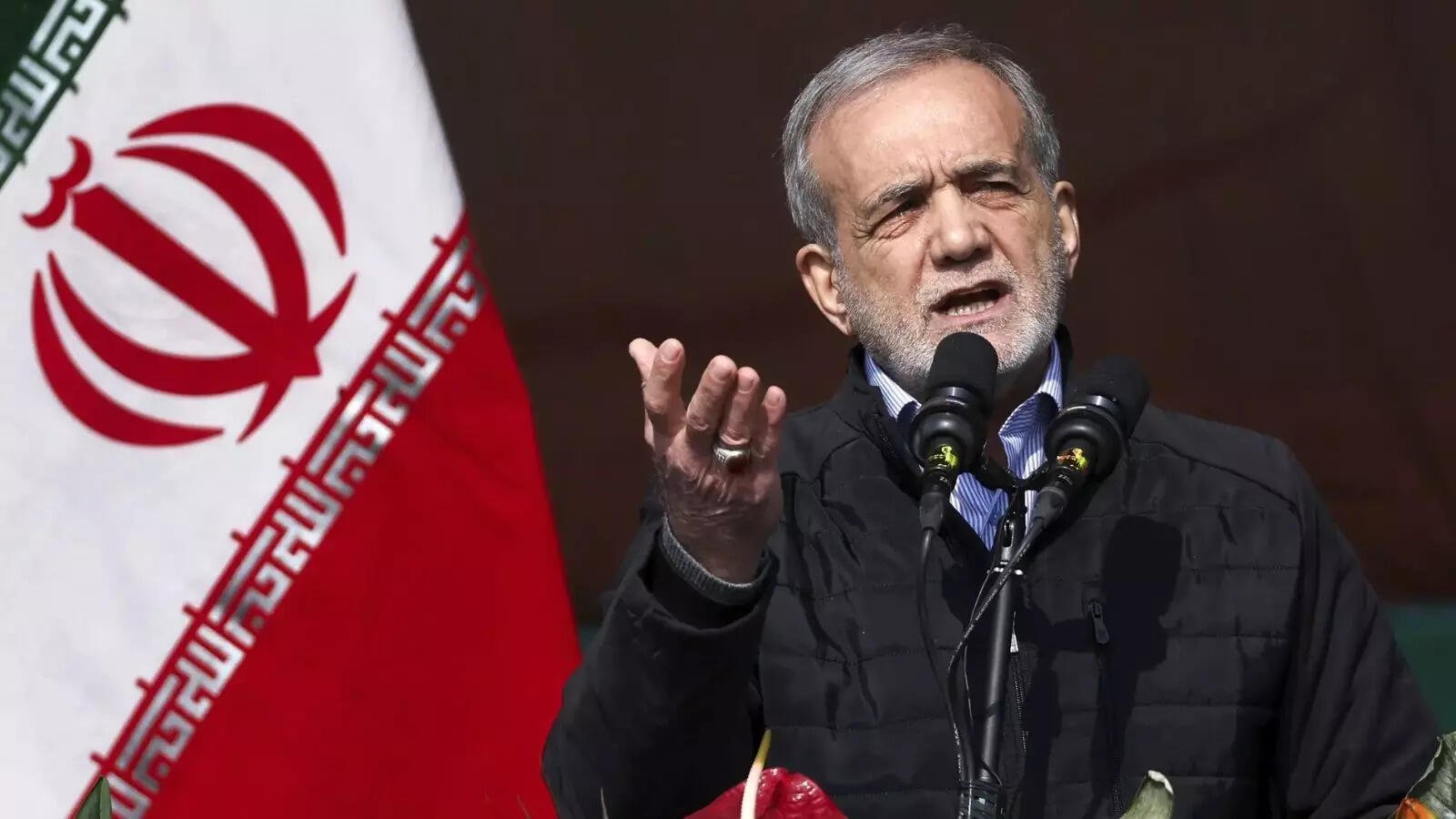
Iran has dismissed the reports, saying the situation along its borders remains fully under control. Iranian security authorities and the Islamic Revolutionary Guard Corps (IRGC) stated that there is no confirmation of any large-scale infiltration in the border region and suggested that such reports may be part of “psychological warfare.”
Risk of Regional Instability
Experts warn that if Kurdish fighters do become active inside Iran, it could further escalate tensions across the Middle East. At a time when the region is already facing multiple geopolitical confrontations, such developments could complicate the regional security balance.
Analysts note that Kurdish groups have long demanded political rights and greater autonomy within Iran. In the current situation, any external support for these groups could increase internal security challenges for Tehran.
For now, the situation remains fluid, and the international community is closely monitoring developments along the Iran–Iraq border.