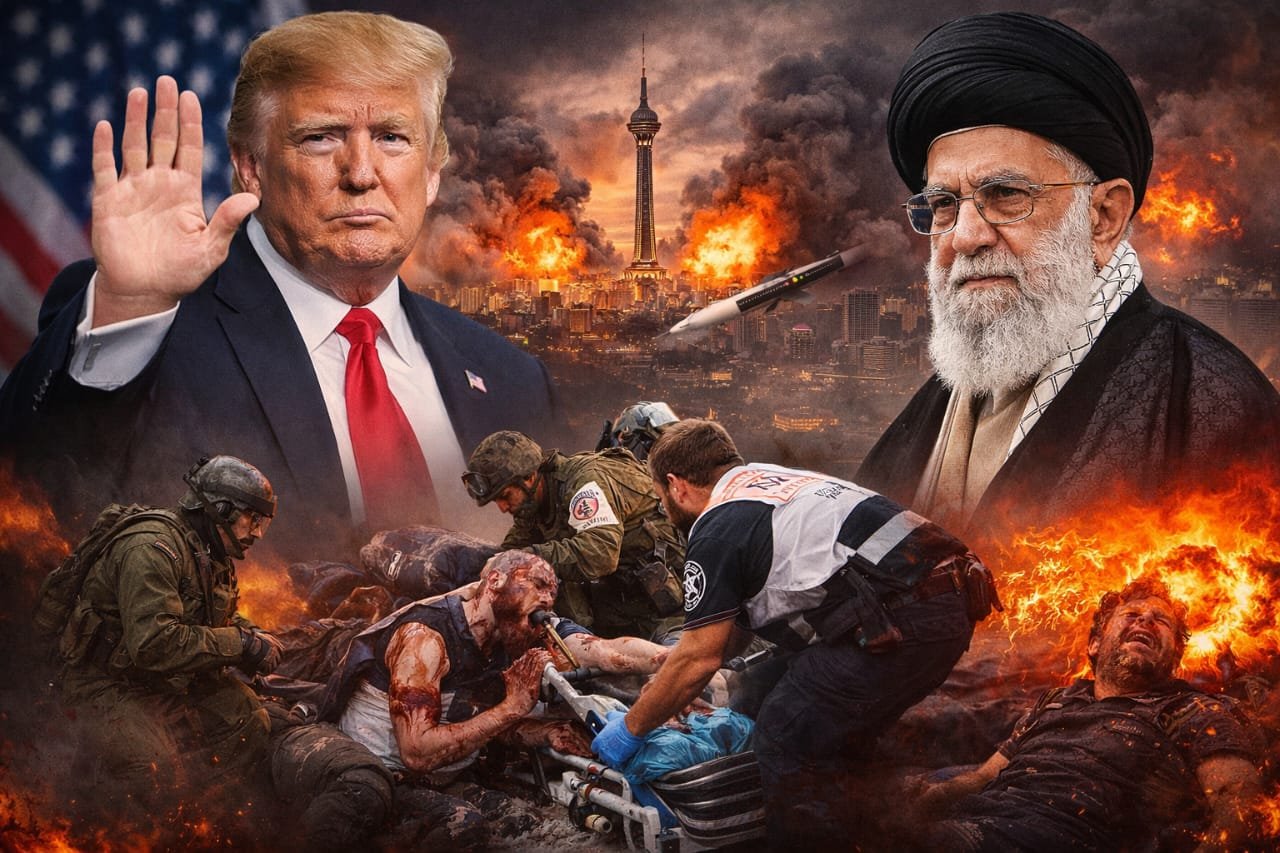


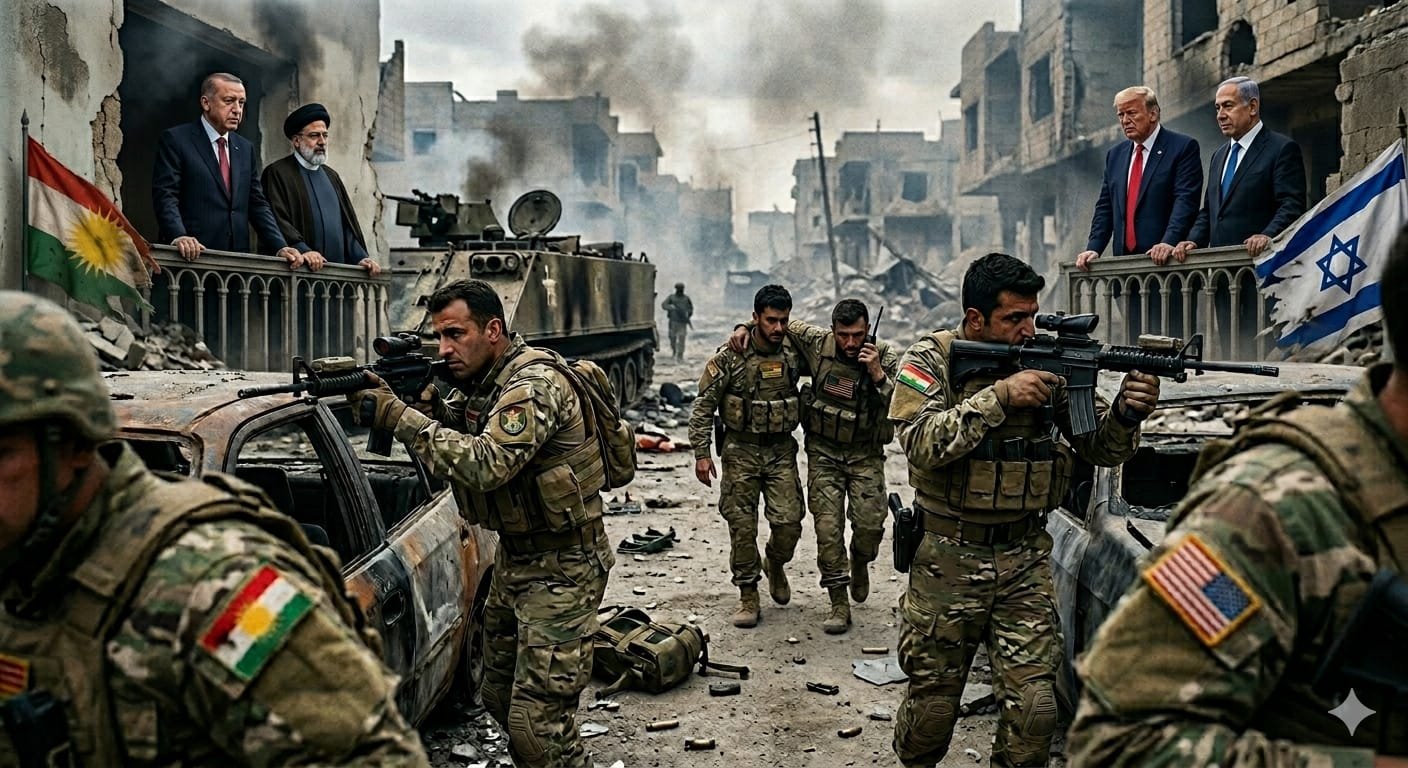
Turkey’s firm warning and active diplomacy have successfully thwarted a plan by Israel and the United States to use Kurdish groups as “ground forces” inside Iran. This strategy emerged after the airstrikes on Iran conducted by the U.S. and Israel in February.
Turkey’s Strong Stance
Turkey made it clear that it would not support any Kurdish group engaging in combat against Iran and would take military action if necessary.
In pursuit of this, Turkey held meetings with senior officials of the Kurdistan Regional Government (KRG) in Iraq, warning the Barzani and Talabani families that any attempt to participate in a war would be “like falling into a trap.”
Foreign Minister Hakan Fidan stated in Istanbul “Any attempt to ignite a civil war in Iran would be a historic mistake. We oppose all scenarios that target ethnic or religious fault lines. This is the most dangerous situation.”
Israel and U.S. Strategy
According to reports, Israel intended to deploy approximately 10,000 Kurds as proxy forces. The U.S. plan involved sending thousands of troops for a potential land operation inside Iran.
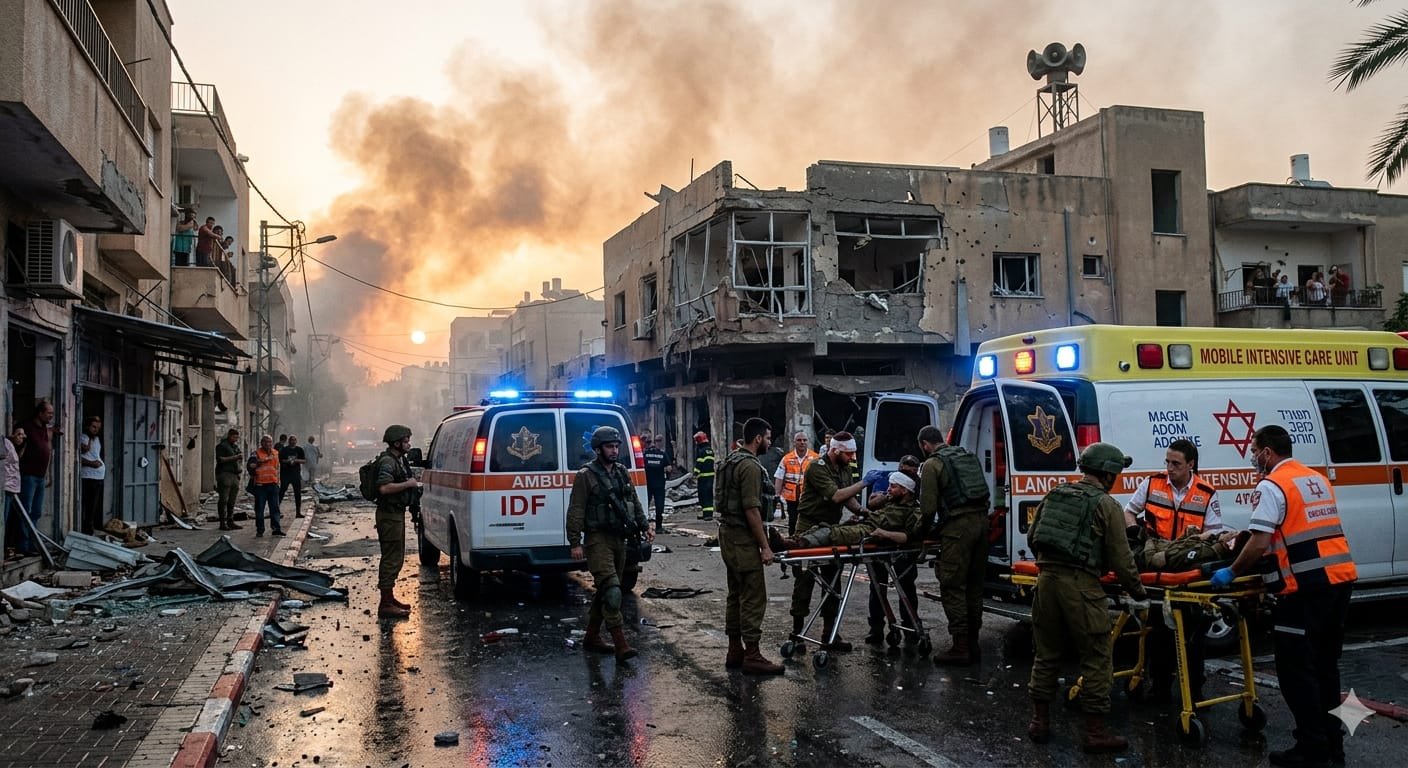
Israel also conducted bombings on military positions along the Iran-Iraq border to clear pathways for Kurdish groups. However, Turkey’s vigilance and diplomatic intervention prevented the plan from moving forward.
Warning to PKK and Kurdish Groups
Turkey indirectly warned the PKK not to follow Israeli directives. PKK’s imprisoned leader, Abdullah Öcalan, advised the group to refrain from engaging in any combat against Iran.
Turkey had previously undertaken similar actions in Syria when the PKK-affiliated YPG attempted to control towns near the Turkish border.
National Security and Regional Stability
President Recep Tayyip Erdoğan communicated to U.S. President Donald Trump that Turkey does not intend to participate in this war and that Kurdish groups should not be used as proxy forces.
AK Party Vice President Efkan Ala emphasized “Maintaining internal stability and ensuring Turkish-Kurdish unity is the country’s priority. The PKK has exploited the Kurdish community for decades, and Turkey is now aiming to end this exploitation.”
Potential Outcomes and Global Risk
Turkey’s objective is not only to prevent a civil war in Iran but also to preserve regional and global stability. Fidan noted that such a conflict could result in civilian casualties, mass displacement, and a surge of refugees into neighboring countries.
At the 2026 International Strategic Communication Conference in Istanbul, National Intelligence Organization (MIT) chief İbrahim Kalın stated, “The consequences of this war are not limited to Iran’s nuclear capabilities. It could open a path to decades-long conflicts between Turks, Kurds, Arabs, and Persians. This is far more dangerous than any other outcome. Turkey remains vigilant and prepared to manage the situation.”
Turkey’s firm stance and control over Kurdish groups have successfully derailed Israel and the U.S. plan. Experts suggest that this move is crucial not only for Turkey’s national security but also for ensuring stability and human security across the Middle East.