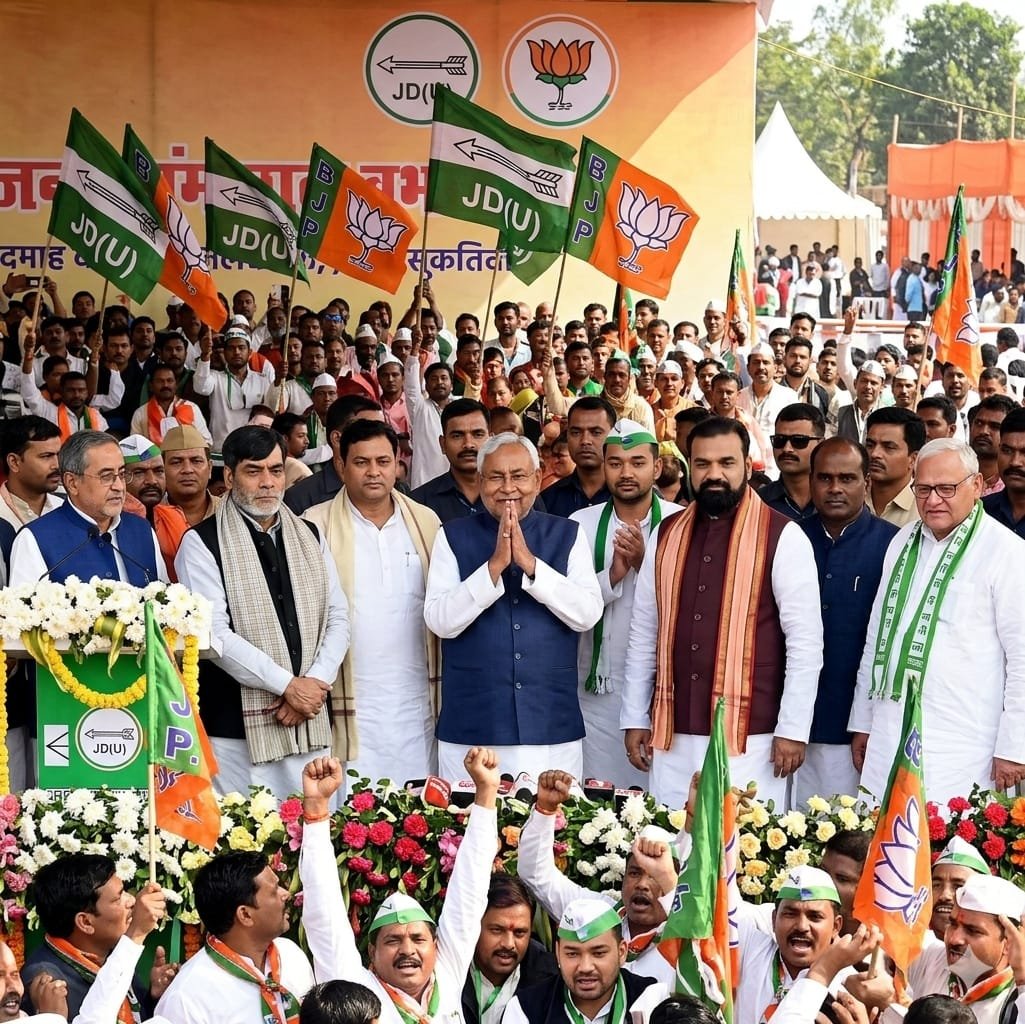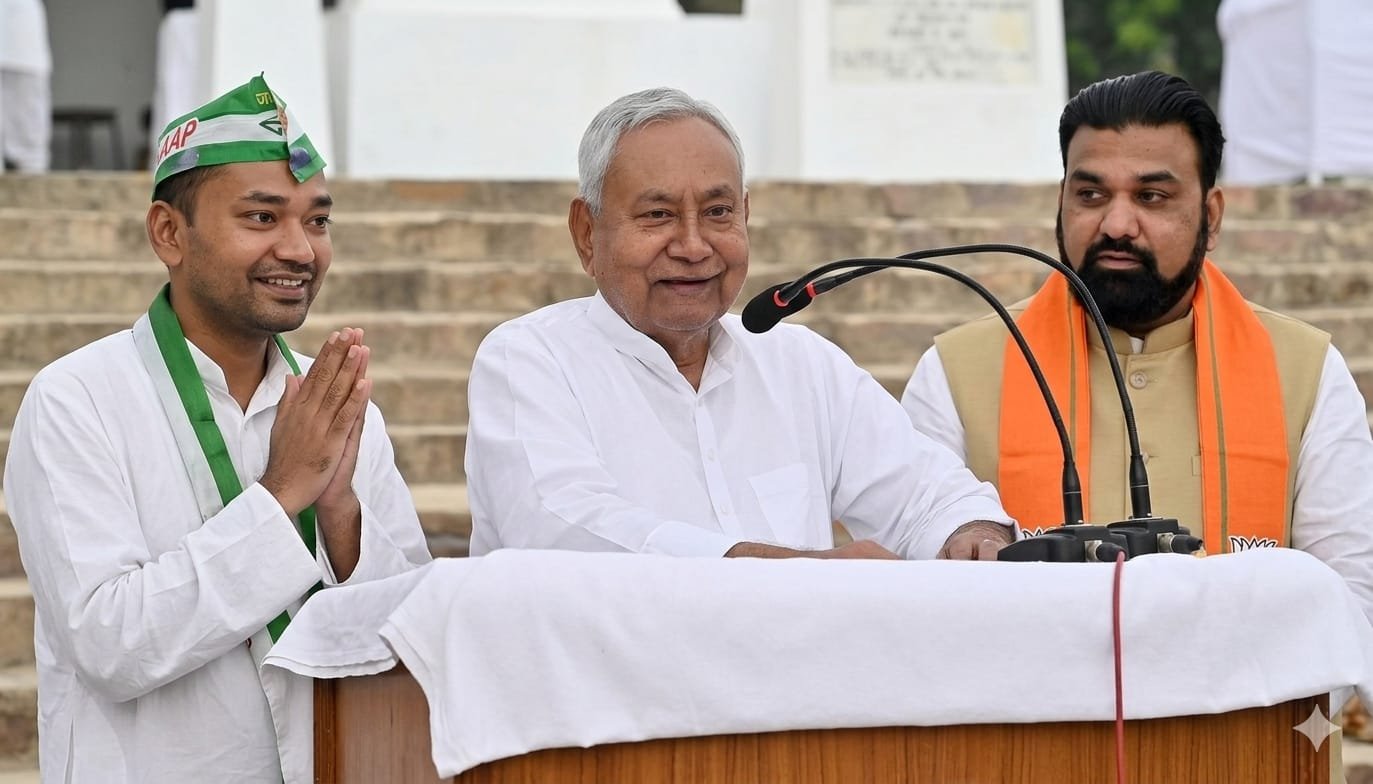


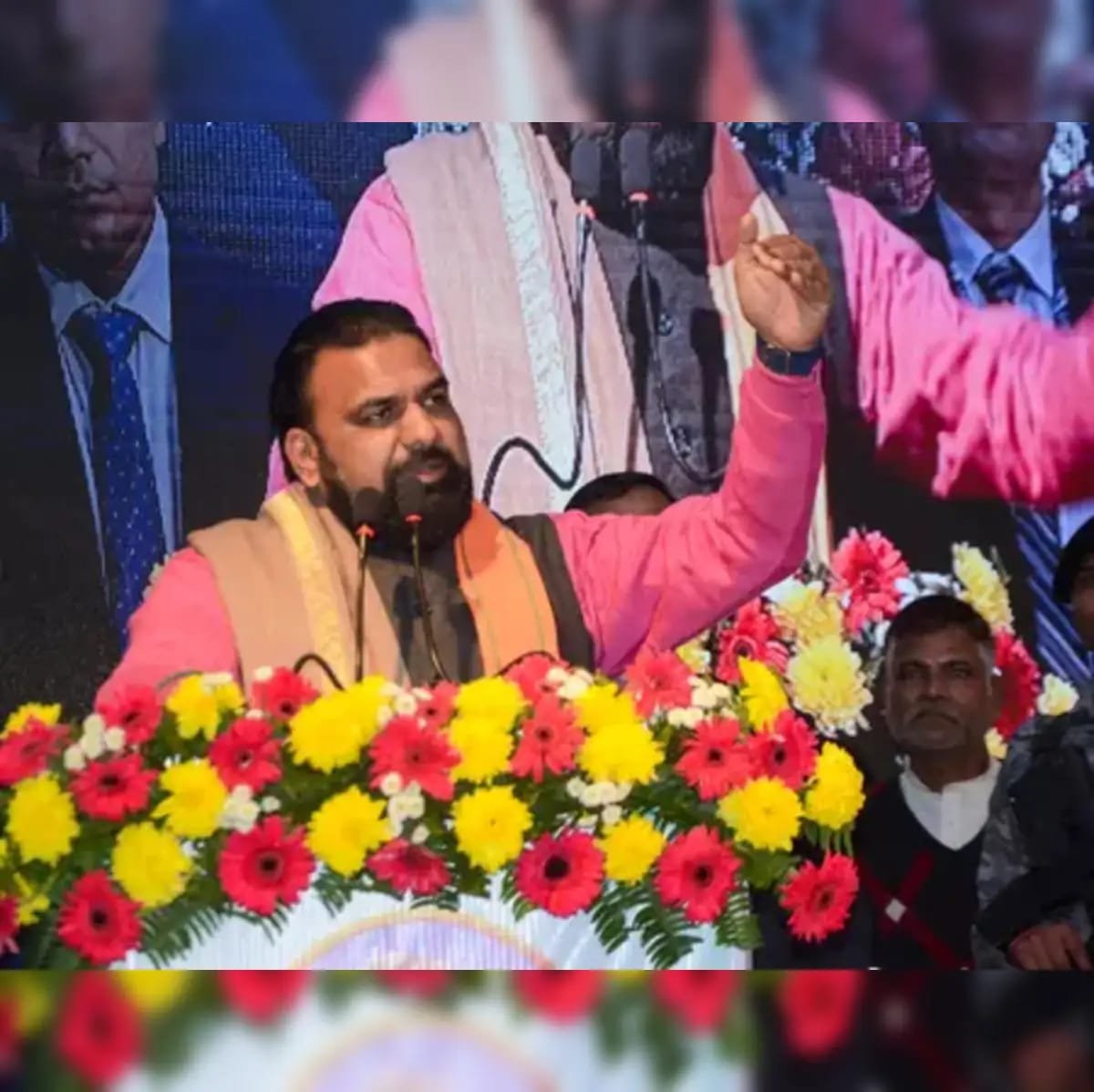
During the visit of Bihar Deputy Chief Minister and Home Minister Samrat Choudhary to Munger, Maoist-affected areas witnessed significant developments. Choudhary, who had earlier warned Maoists to surrender, saw an immediate impact as three dreaded Maoists laid down their arms as soon as he arrived in the district. The administration described the surrender as a major success in the ongoing campaign against Maoism.
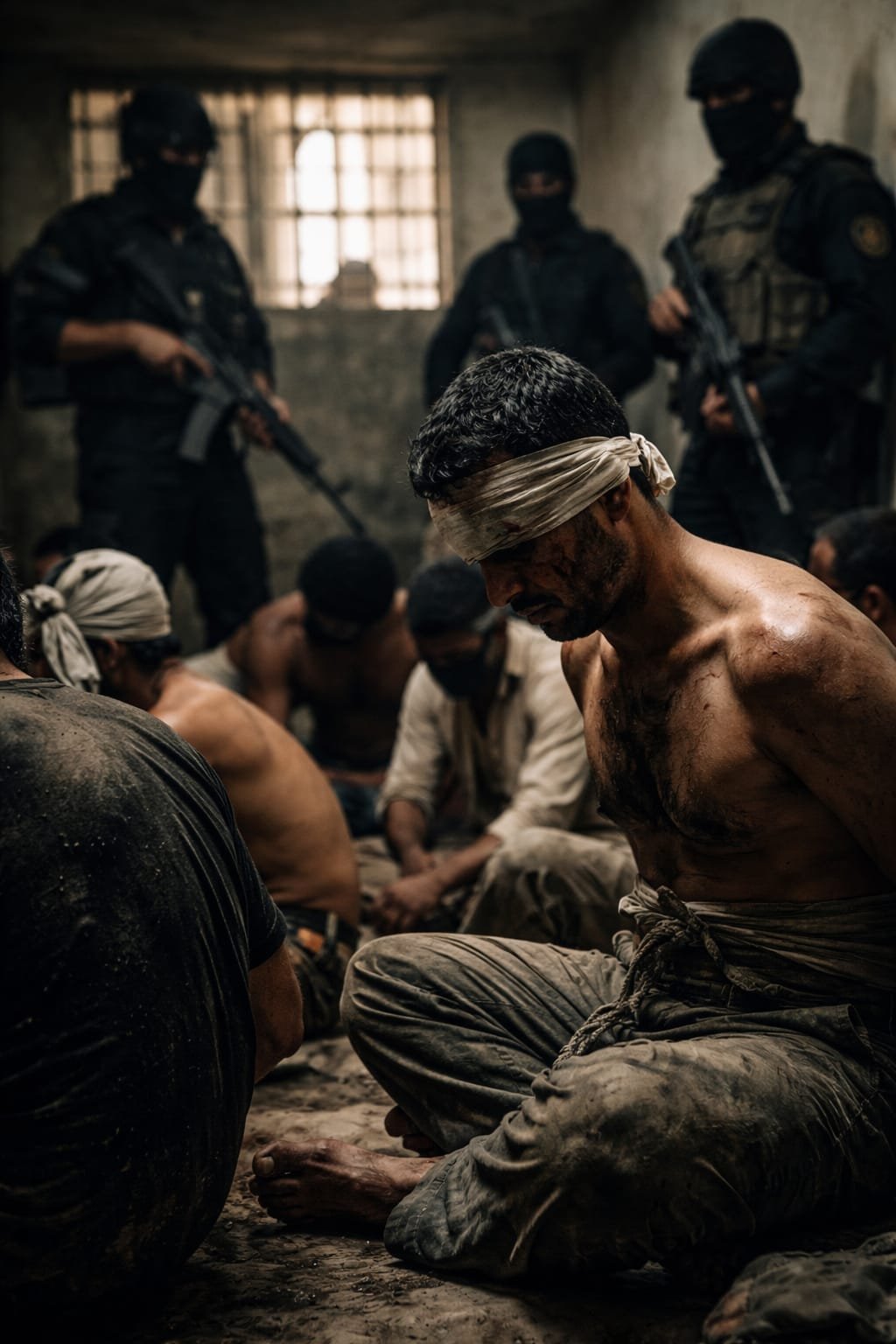
On Sunday, three Maoists—including zonal commanders Narayan Koda and Bahadur Koda, each carrying a bounty of ₹3 lakh—surrendered at Haveli Kharagpur in the presence of Director General of Police (DGP) Vinay Kumar and Additional Director General of Police (ADG) Kundan Krishnan. Another Maoist cadre member, Binod Koda, son of Sonelal Koda and a resident of Shitla Kodasi village in Lakhisarai district, also surrendered. Narayan Koda was wanted in 23 cases related to Maoist activities and had been absconding for a long time.
Addressing the occasion, DGP Vinay Kumar said Bihar has emerged as the country’s first state to fight a decisive battle against Maoism. He stated that districts such as Arwal and Jehanabad have been completely freed from Maoist influence since 2005, leading to rapid expansion of road infrastructure, education, and development projects. He added that Maoism’s social influence is steadily declining.
Once infamous for Maoist dominance, the Kharagpur region is now witnessing visible change. Deputy Chief Minister Samrat Choudhary inaugurated boating facilities at Kharagpur Lake, saying that the lake’s development would help place Munger on the international tourism map while boosting local employment and economic activity. He also conducted an aerial survey of Kharagpur Lake and the Bhim Bandh area by helicopter.
During his two-day visit to Tarapur, Choudhary participated in the Prime Minister’s ‘Mann Ki Baat’ programme at Khaira village under the Haveli Kharagpur subdivision. He later inaugurated a newly constructed 100-bed subdivisional hospital built at a cost of ₹11.80 crore, formally launching upgraded healthcare services in the region. The hospital has been constructed in accordance with IPHS standards and features an earthquake-resistant structure along with modern fire safety systems.
The hospital is equipped with three operation theatres, emergency services, ICU, NICU, SNCU, labour rooms, and OPD facilities, providing comprehensive medical care.
A meeting held at the cafeteria of the Kharagpur Lake complex was attended by the DGP, senior officials from various departments, public representatives, and administrative officers. Discussions focused on developing a world-class tourism project in the Bhim Bandh forest area under the PPP model, supplying Ganga water to Kharagpur Lake, and installing a pump power storage system.
During the programme, Choudhary also laid the foundation stone for infrastructure development under the Bihar State Vegetable Processing and Marketing Cooperative Scheme for five primary vegetable producer cooperative societies in Munger district—Tarapur, Asarganj, Sangrampur, Tetia Bambar, and Haveli Kharagpur. He said the initiative would improve marketing facilities for farmers and increase their income.
The administration termed Samrat Choudhary’s visit a decisive strike against Maoism and a new beginning of development and trust in the region.