

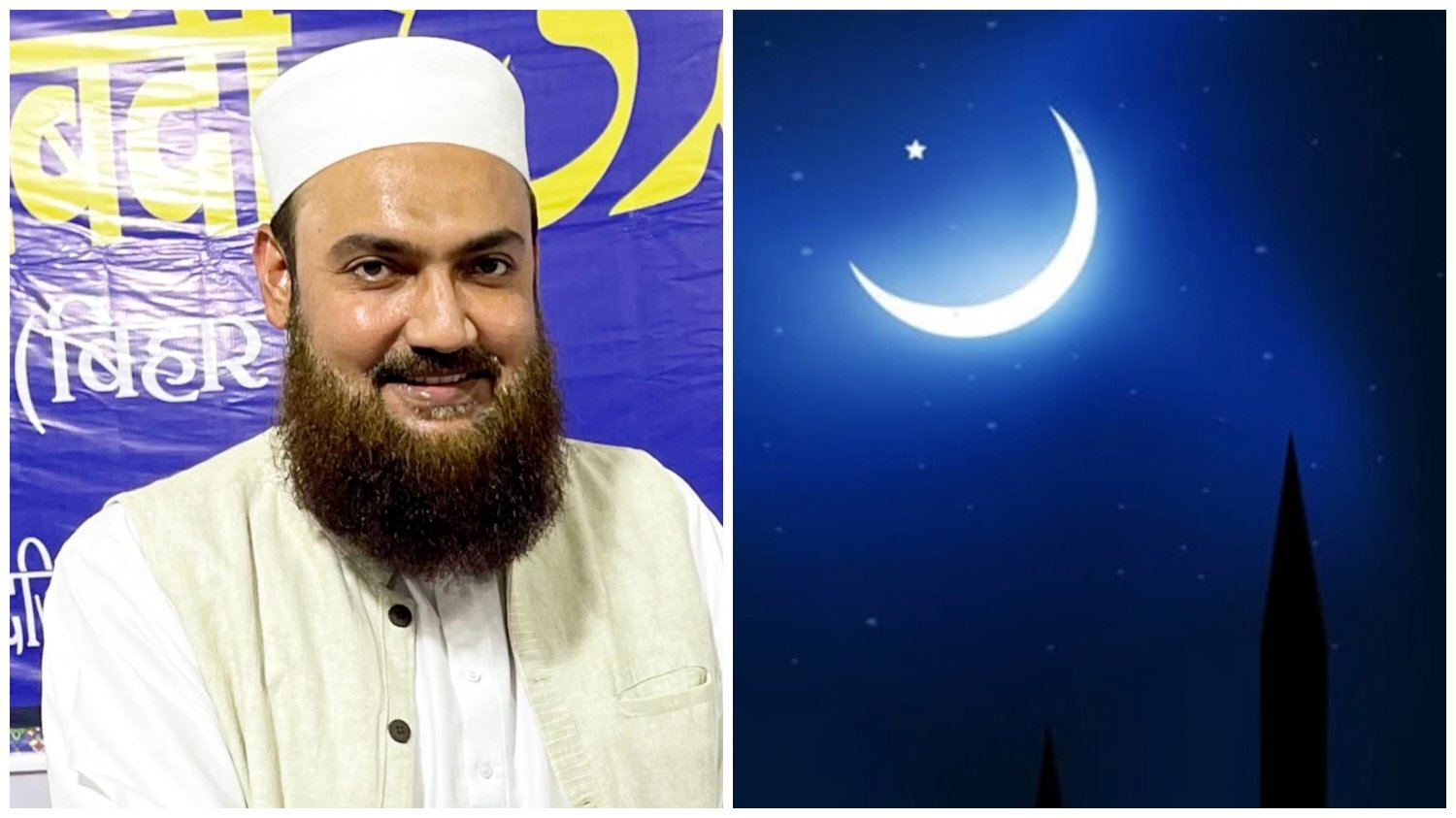
Imarat-e-Shariah, Phulwari Sharif has officially announced that the first fast of Ramadan will be observed on Thursday, February 19, 2026, following confirmation of the sighting of the crescent moon.
Qazi-e-Shariat Maulana Mohammad Anzar Alam Qasmi stated that special arrangements for moon sighting were made at the central office in Phulwari Sharif on the evening of 29 Sha’ban 1447 AH, corresponding to February 18, 2026 (Wednesday). While the crescent was not sighted in Patna and adjoining areas, credible reports were received from Ranchi, Lohardaga, Chatra, Nawada, Darbhanga, Gaya, and Dehri-on-Sone confirming the moon sighting. Based on the report of the Ru’yat-e-Hilal Committee, it was decided that February 19 would mark the first day of Ramadan.
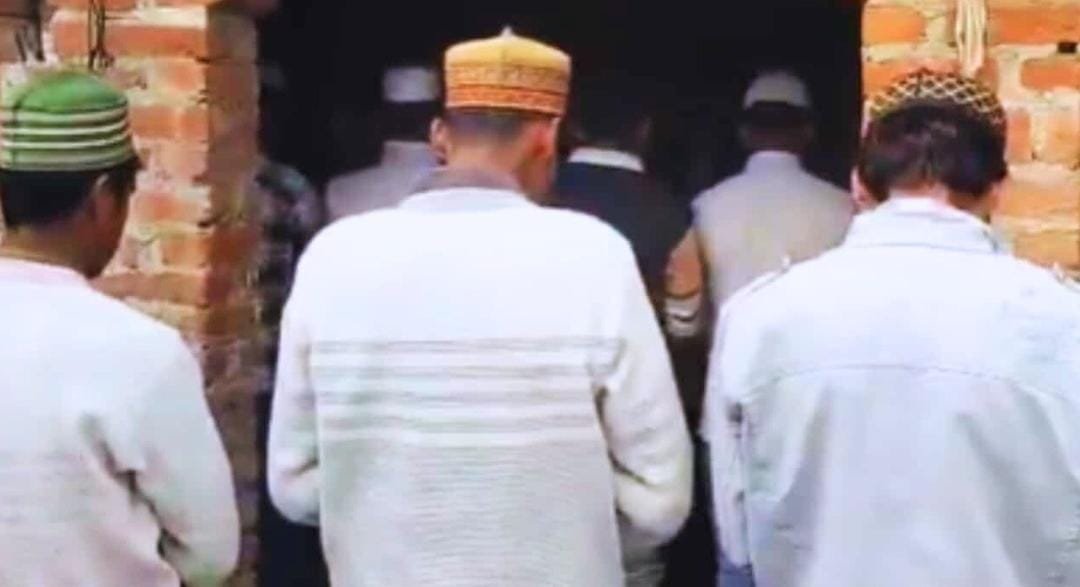
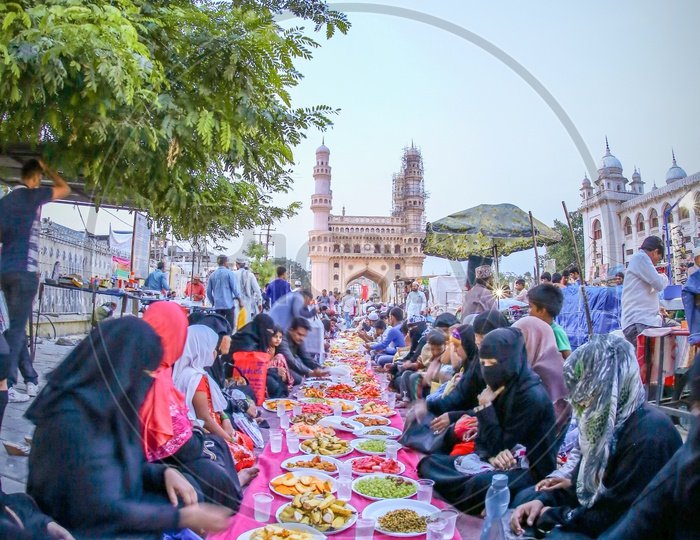
The Islamic calendar follows the lunar system; therefore, the beginning of Ramadan, Eid, and other Islamic months is determined by the sighting of the moon. Following the announcement, preparations for Ramadan have intensified across Bihar, Jharkhand, and Odisha, as well as in other parts of the country. Mosques are making arrangements for Taraweeh prayers, and markets have witnessed a surge in activity.
On the occasion, Ameer-e-Shariat Maulana Ahmad Wali Faisal Rahmani, Sajjada Nashin of Khanqah-e-Rahmania, Munger, issued a detailed message addressed to Muslims in India and abroad. He emphasized that Ramadan is not merely a month of fasting but an opportunity for self-reform, character building, social responsibility, and spiritual awakening.
Referring to the prevailing social climate marked by fear, hatred, and misunderstandings, he urged Muslims to demonstrate restraint, patience, moral steadfastness, and to play a constructive civic role within the framework of the law. He said the true identity of religion lies not in noise and debate but in ethical conduct and service to humanity.
Highlighting the “fragmentation of knowledge” as a major challenge facing the community, the Ameer-e-Shariat stressed the importance of balanced religious and worldly education. He called for not only recitation of the Qur’an but also understanding its meaning, urging families to make their homes centers of “recitation with comprehension.”
On the economic front, he expressed concern over rising consumerism and declining productivity. He stated that Muslims must strive to become value creators rather than mere consumers—focusing on job creation, institution building, and concrete efforts to avoid interest-based financial practices.
The press statement appealed to all sections of society, especially the youth, to refrain from hate speech and collective blame. It quoted the teaching of Prophet Muhammad (peace be upon him): “None of you truly believes until he loves for others what he loves for himself.”
The institution clarified that differences of opinion may exist, but hatred must not. No citizen of India should feel insecure on the basis of religion.
In his concluding remarks, the Ameer-e-Shariat said that while Ramadan is a month of self-restraint, prayer, understanding of the Qur’an, and social service for Muslims, its message is universal—promoting virtue, compassion, honesty, and good neighborliness.
The institution prayed that the holy month strengthens peace, security, prosperity, and mutual trust in the country.
Insaaf Times also extends heartfelt greetings to all its readers on the occasion of Ramadan Mubarak.