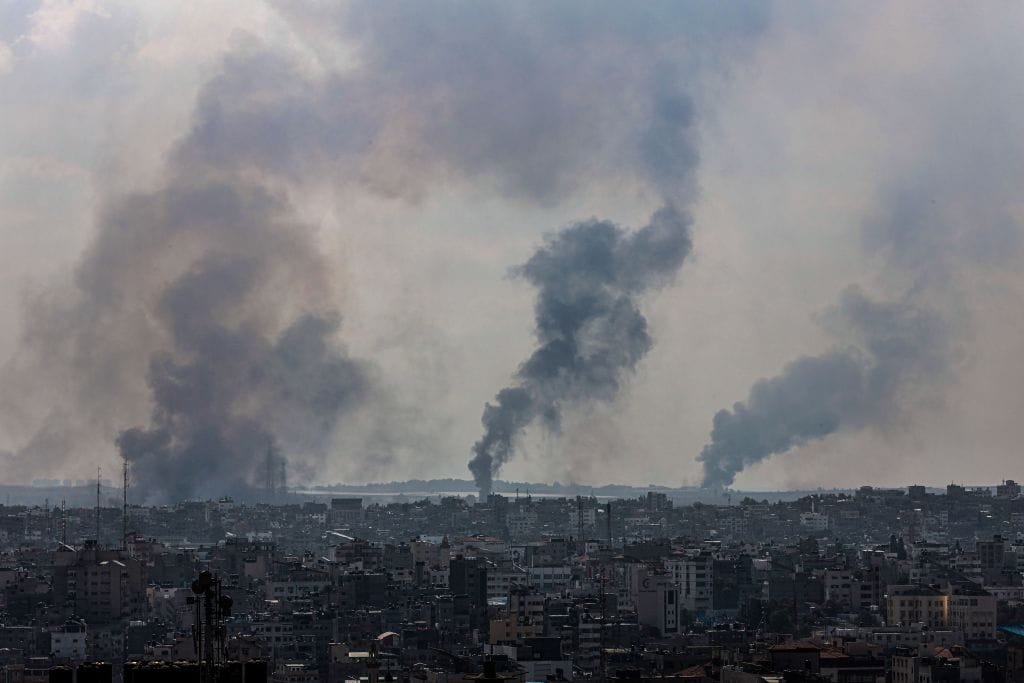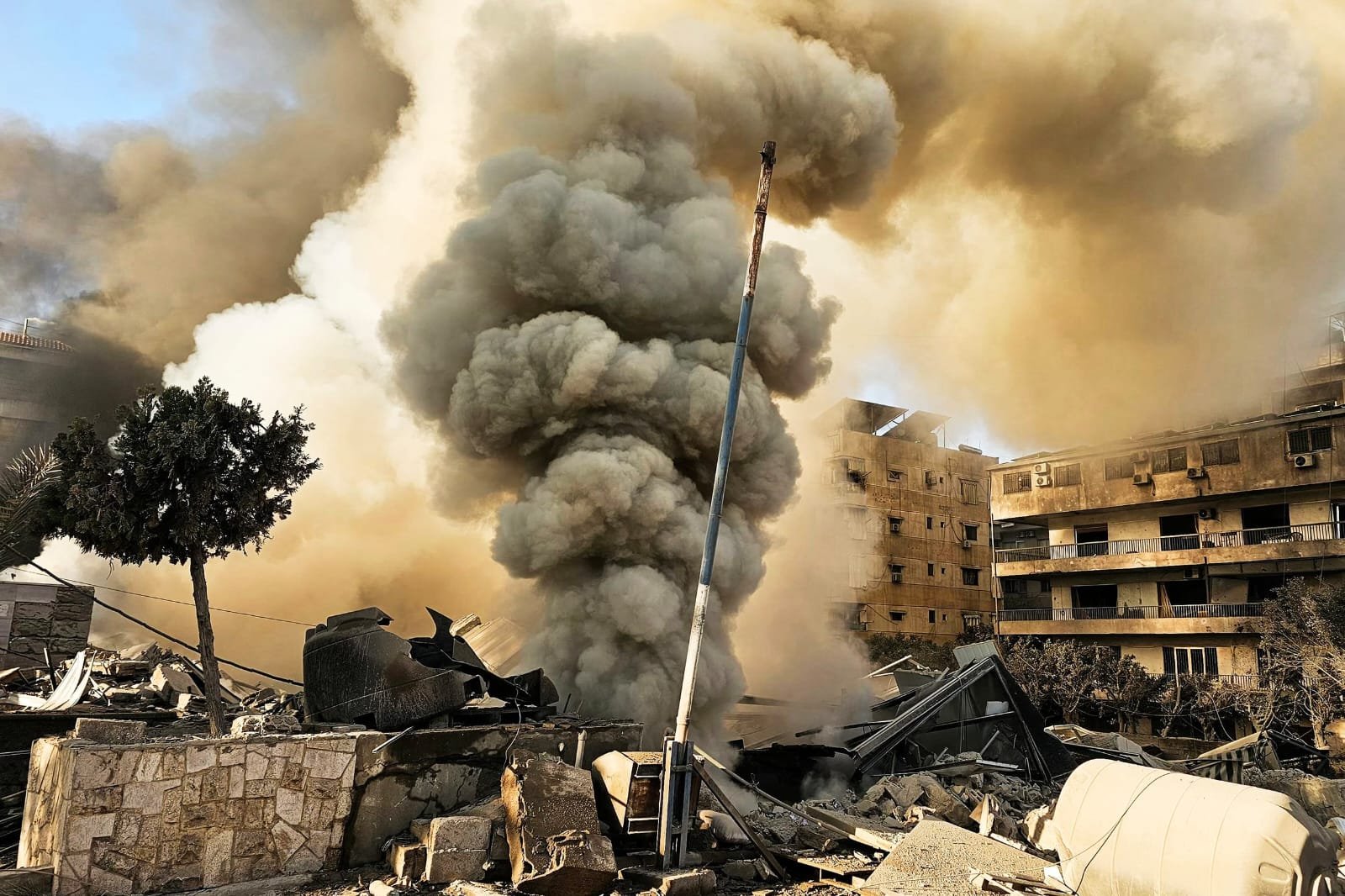


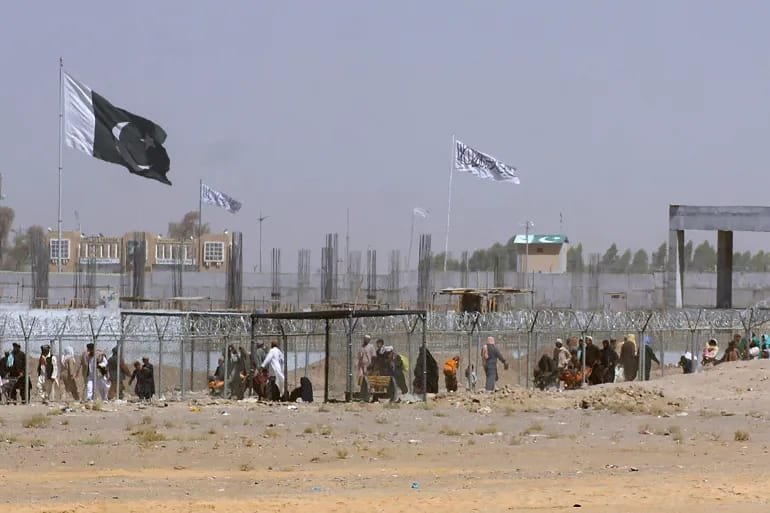
Tensions along the Afghanistan-Pakistan border have escalated over the past few days. Firing, drone attacks, and military operations in areas near the Durand Line have created a near-war-like situation. According to local media, the Pakistani army fired shells in the Shorabak district of Kandahar and the Shamuljai district of Zabul, while Afghan security forces responded with heavy countermeasures.
Overnight Firing Along the Border
Media reports indicate that the clash lasted nearly an hour. Afghan forces destroyed several shells in response to Pakistani fire. Casualty figures have not yet been confirmed.
Drone Attacks and Losses
According to Afghanistan’s Khalid Bin Waleed Eastern Zol Corps, a Pakistani reconnaissance drone was destroyed. Police reported that a fire broke out after the drone fell. The incident highlights the serious technological dimensions of the ongoing conflict between the two countries.
Afghan Army’s “Counter Operation”
The Afghan Ministry of Defense stated that under the “Counter Operation,” Pakistani forces in the Kandahar region suffered heavy losses. Afghan forces also seized a large quantity of weapons, communication equipment, and ammunition.
In response, Pakistan has claimed that under “Operation Ghazab‑lil‑Haq,” hundreds of Afghan fighters and several checkpoints were destroyed.
Severe Impact on Civilians
The clashes have killed at least 42 civilians and injured 104. According to Afghan government figures, the death toll has risen to 110, including women and children. Approximately 20,000 families have been displaced and are facing shortages of relief supplies.
Social and Political Reactions
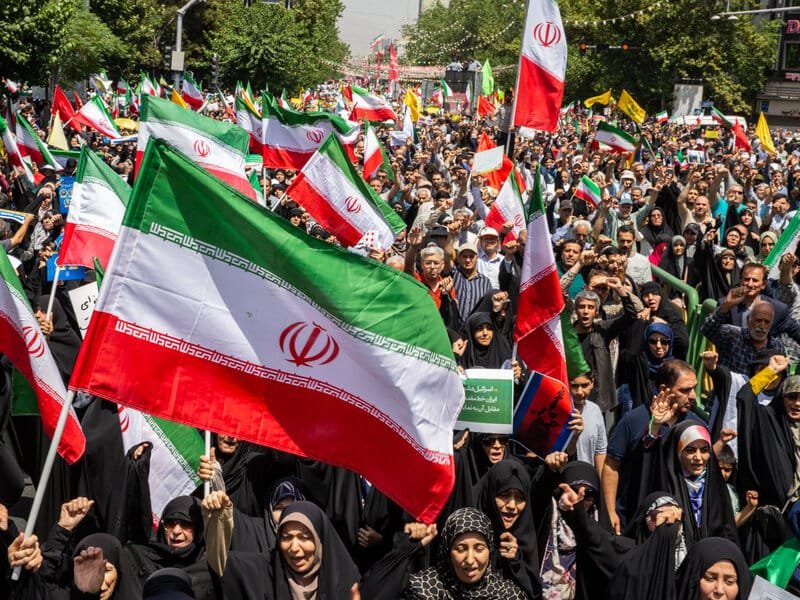
In various areas of Kunduz, Paktika, and Patiya, civilians staged protests against Pakistan, expressing solidarity with Afghan security forces.
Afghan Deputy Spokesperson Hamdullah Fatrat stated that war has never been Afghanistan’s primary option, and the Afghan army remains ready to defend its country.
International Concern
Global powers such as Turkey, the United Nations, and Qatar are attempting to mediate a ceasefire. The international community has viewed the ongoing tensions along the border as a serious security threat.
The clashes in Kandahar and Zabul have now gone beyond border skirmishes, evolving into a broader military conflict with significant civilian casualties. International monitoring organizations and the populations of both countries are expressing deep concern over the situation.