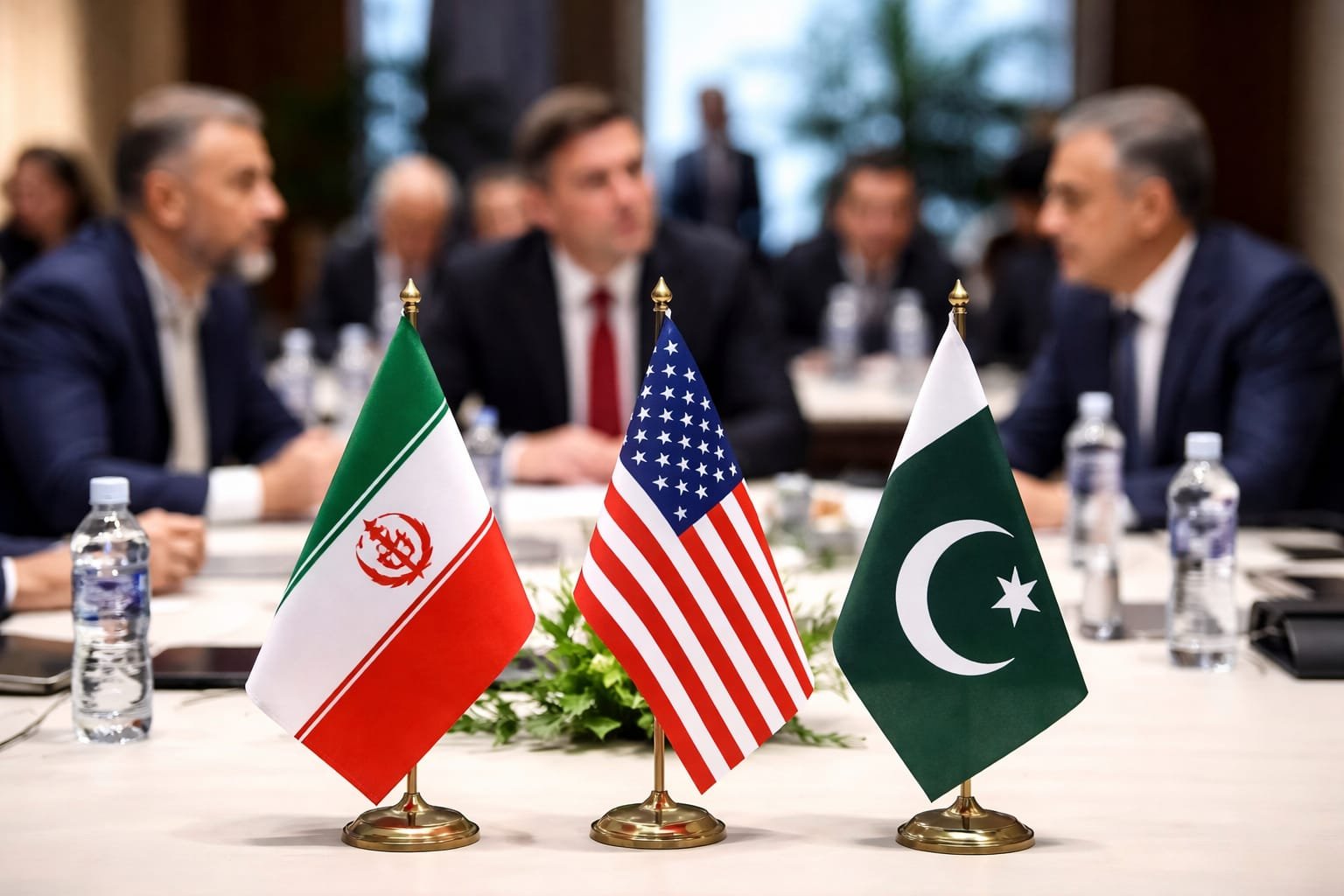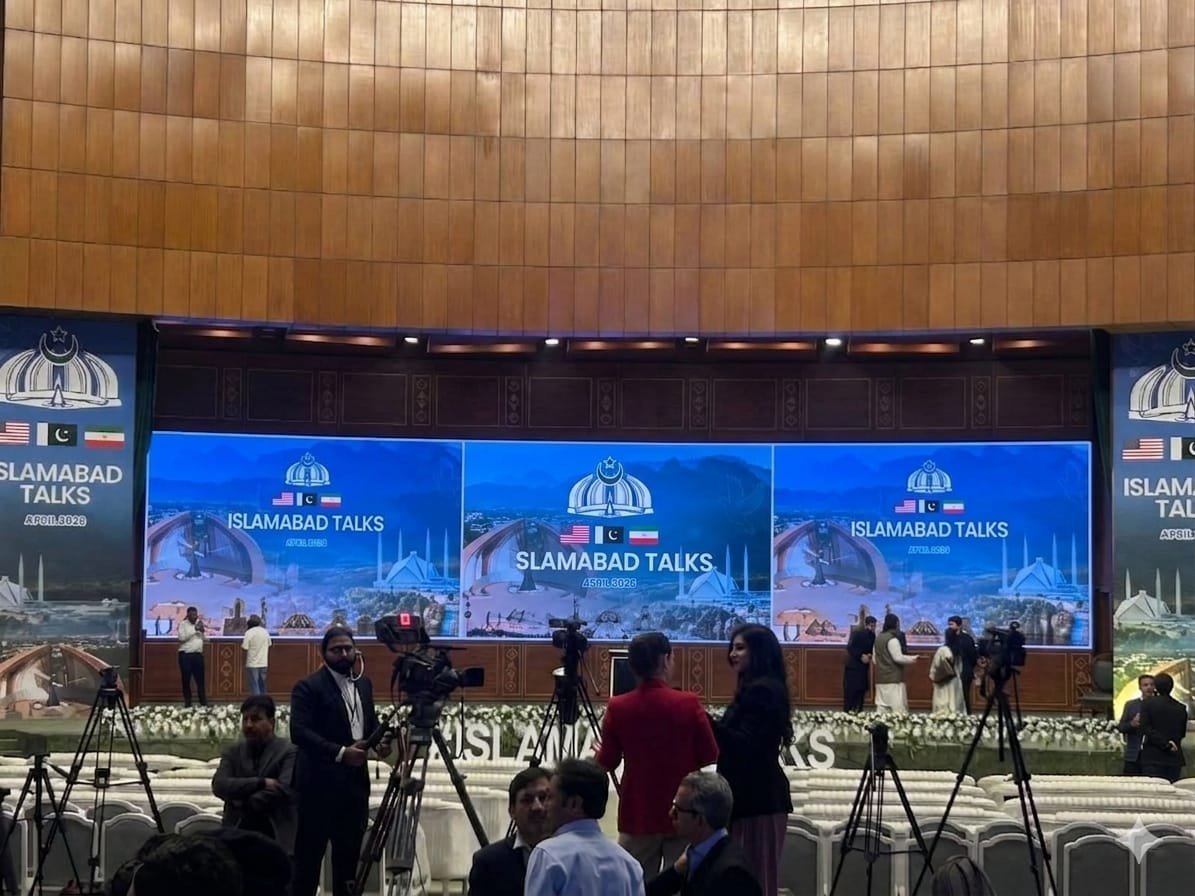


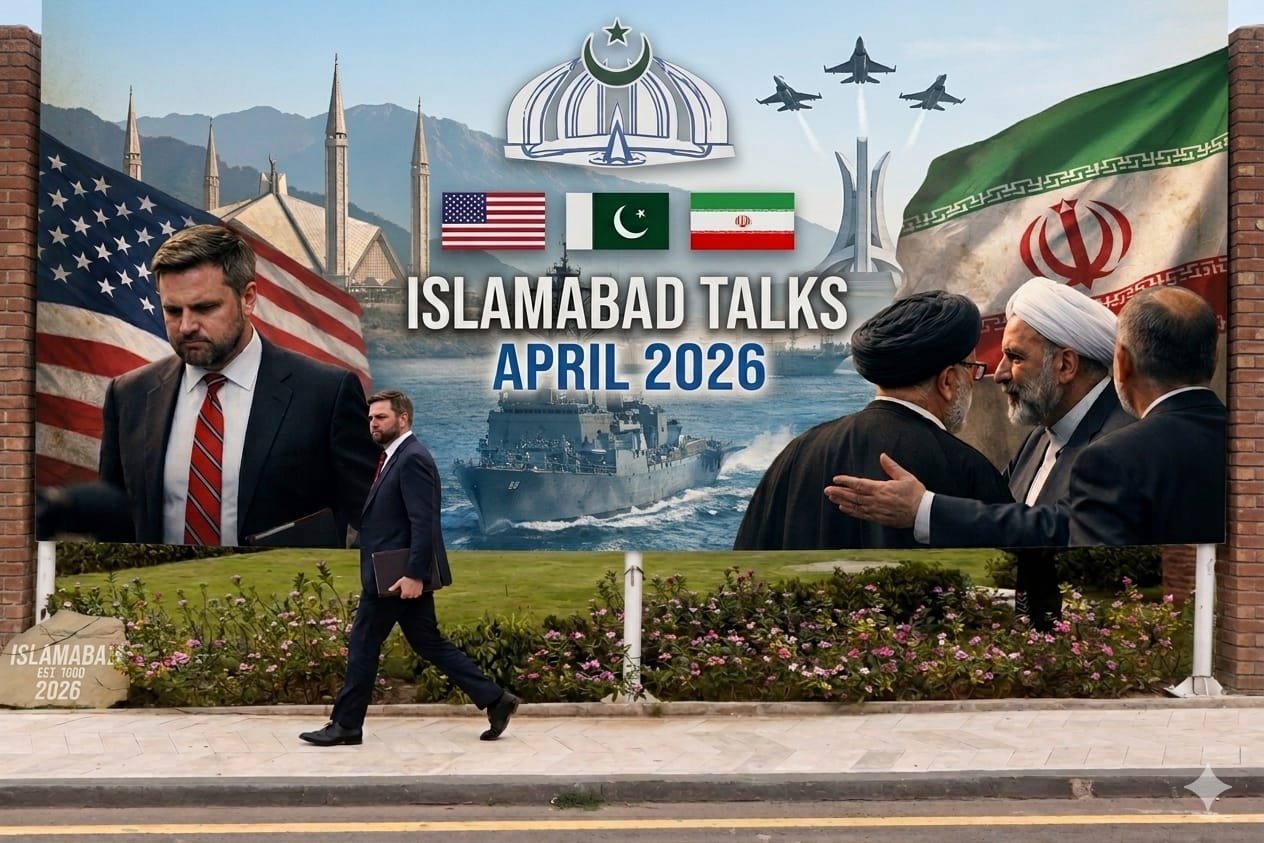
Amid rising tensions in the Middle East, high-level talks between the United States and Iran in Islamabad ended without any concrete agreement. After nearly 21 hours of long and complex discussions, U.S. Vice President JD Vance announced that Iran had refused to accept Washington’s “final and best offer.”
In a brief press conference, Vance stated that no significant progress was made on several key issues, and the Iranian delegation rejected U.S. conditions. He reiterated that America’s primary concern remains ensuring that Iran does not develop nuclear weapons. However, he did not specify which points ultimately led to the deadlock.
On the other hand, Iranian media and sources associated with the talks described the U.S. position as “excessively demanding.” According to sources close to the Iranian delegation, the American side was looking for an excuse to withdraw from the negotiations and aimed to achieve through diplomacy what it could not accomplish during the war.
At the center of this diplomatic stalemate is the Strait of Hormuz, one of the most crucial maritime routes for global energy supply. Nearly 20 percent of the world’s oil and natural gas passes through this narrow waterway. Iran has proposed imposing tolls on vessels passing through it, viewing this as a means to compensate for war-related damages.
However, the proposal has faced strong international opposition. International Maritime Organization Secretary-General Arsenio Dominguez clearly stated that imposing any fees on international waterways would violate international law and cannot be accepted. He warned that such a move could set a dangerous precedent for global maritime trade.
Meanwhile, U.S. President Donald Trump remarked outside the White House that “America always wins,” regardless of whether a deal with Iran is reached. His statement came at a time when delegations from both countries were engaged in late-night negotiations in Islamabad.
Parallel to the talks, military tensions in the region also appeared to escalate. U.S. Central Command claimed that two of its warships had passed through the Strait of Hormuz as part of a mission to secure maritime routes. Iran, however, rejected the claim outright, asserting that full control of the strait lies with its armed forces and warning that any foreign military activity would receive a strong response.
Despite the announcement of a ceasefire, shipping activity in the Strait of Hormuz remains nearly halted. This has severely affected the export of oil, gas, and other essential goods from the Gulf region, contributing to instability in global markets.
The Islamabad talks are being considered historic in many ways, as they marked one of the highest-level engagements between the two nations since the Iranian Revolution. The U.S. delegation was led by JD Vance, while the Iranian side was headed by Parliament Speaker Mohammad Bagher Ghalibaf.
Pakistan played the role of mediator in the process. Pakistan’s Foreign Minister Ishaq Dar said that the discussions were “broad and constructive” and expressed hope that dialogue would continue. Iran’s Foreign Ministry also appreciated the hospitality of the Pakistani government and people.
Concerns have also been raised at the international level. French President Emmanuel Macron emphasized the need for inclusive participation and a concrete agreement to ensure regional stability, while Russia urged all sides to exercise restraint and continue diplomatic efforts.
According to sources, Iran had demanded the release of its frozen foreign funds before participating in the talks, although there has been no official confirmation from the United States. This demand is seen as part of Iran’s broader strategic conditions.
Meanwhile, New York City Mayor Zohran Mamdani criticized U.S. policies, stating that the government spends hundreds of millions of dollars daily on war while ordinary citizens struggle for basic needs such as healthcare, education, and housing.
Iranian President Masoud Pezeshkian said that his delegation remains fully committed to defending national interests and that the government will stand firmly with its people regardless of the outcome.
At the same time, Iranian leadership has indicated that if negotiations proceed on “respectful and balanced terms,” the possibility of an agreement still exists.
Overall, the Islamabad talks have made it clear that deep differences between the United States and Iran persist. Issues such as the Strait of Hormuz, the nuclear program, and regional security are not only affecting bilateral relations but also having a significant impact on the global economy and energy security.
For now, the situation remains uncertain, but the continuation of diplomatic dialogue keeps hope alive.