

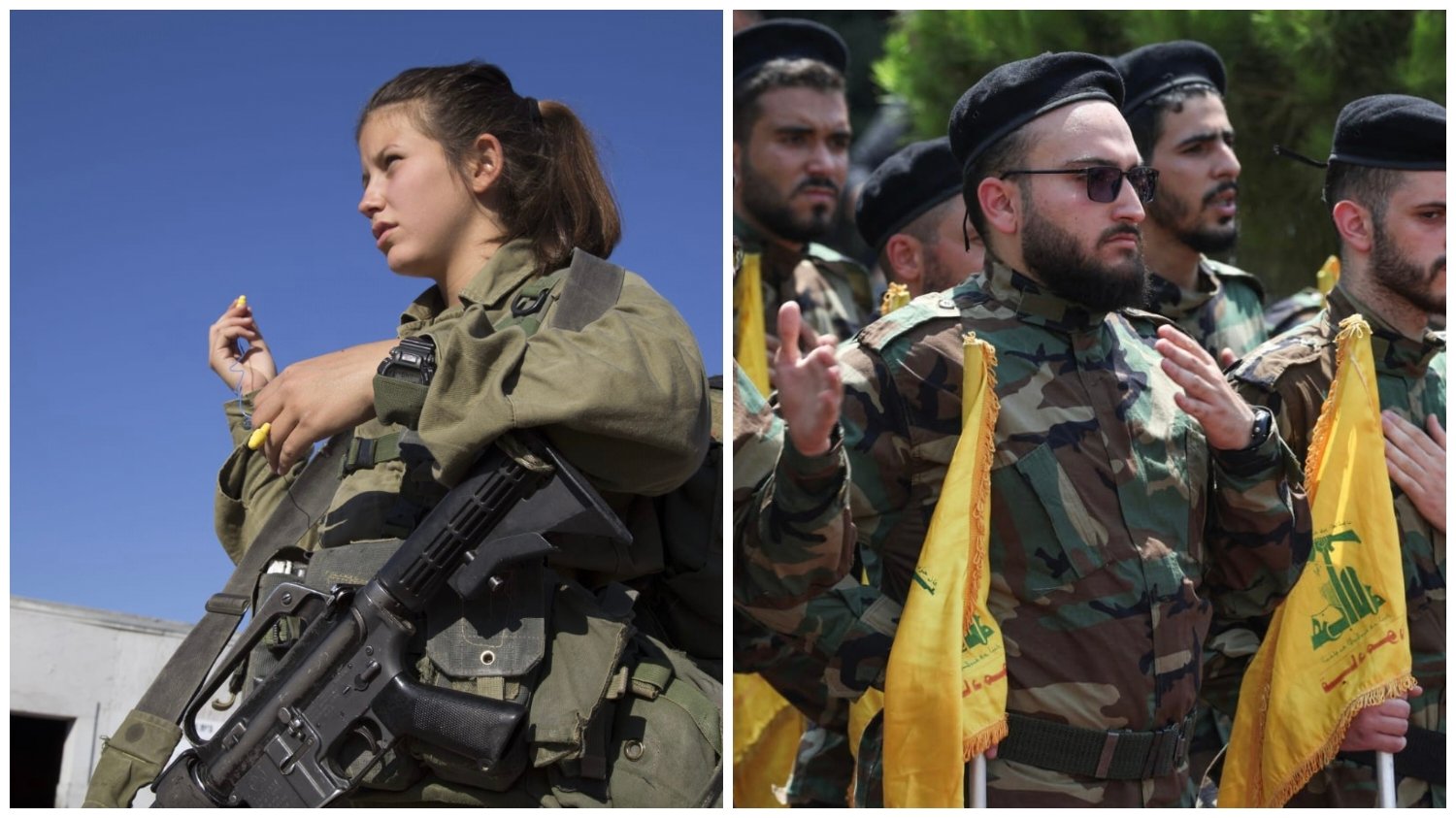
The ongoing conflict between Israel and the Shia militia Hezbollah has severely disrupted civilian life in southern Lebanon. Israel has intensified airstrikes on Beirut and Tyre, while Hezbollah has responded with cross-border rocket and drone attacks.
Hezbollah’s Resolve
Hezbollah deputy leader Naim Qassem recently stated that the group “will confront the Israeli-American aggression and will not surrender.” He also rejected proposals from the Lebanese government to disarm the militia, warning that Hezbollah will continue to defend its civilians and territories.
Israel’s Military Campaign
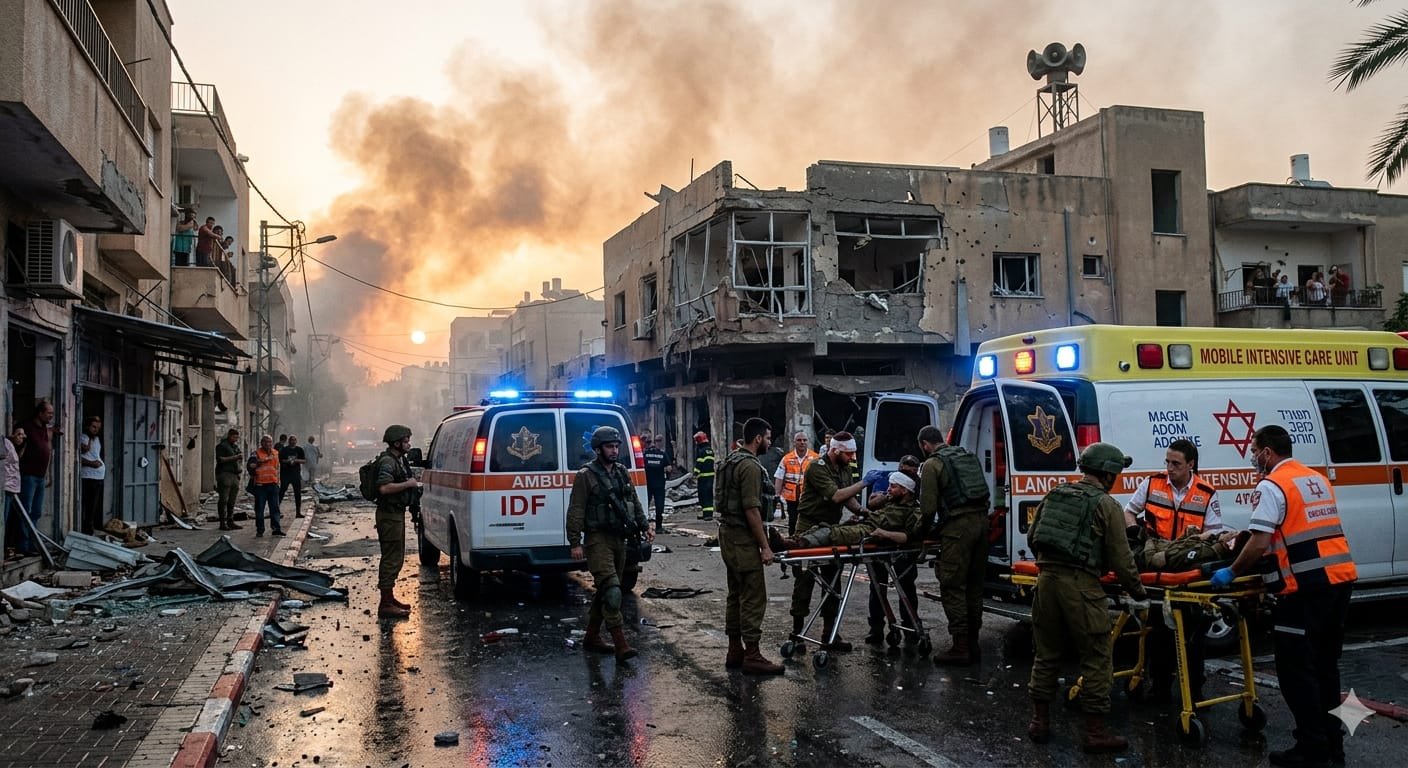
Israel has carried out large-scale airstrikes on southern Beirut suburbs, including Dahieh and Tyre. Residents south of the Litani River have been ordered to move north. So far, the strikes have claimed over 120 lives and left hundreds injured, while approximately 80,000 people have been displaced. Hospitals, residential buildings, and critical infrastructure have been directly hit.
Deepening Humanitarian Crisis
Civilians from southern Lebanon and Beirut suburbs are fleeing north, creating severe traffic congestion and chaotic displacement. Relief agencies are attempting to reach affected areas, but conditions remain extremely challenging.
Hezbollah’s Counterattacks
Hezbollah continues to launch rockets and drones in southern Lebanon and has deployed specially trained fighters to confront Israeli forces.
Regional and International Tensions
The conflict is unfolding as part of broader Iran-Israel tensions. French President Emmanuel Macron has appealed to both sides to engage in mediation and establish a ceasefire.
Background of the Conflict
The 2026 escalation adds complexity to the ongoing Israel–Hezbollah tensions that began in 2023 and followed a temporary ceasefire in 2024.