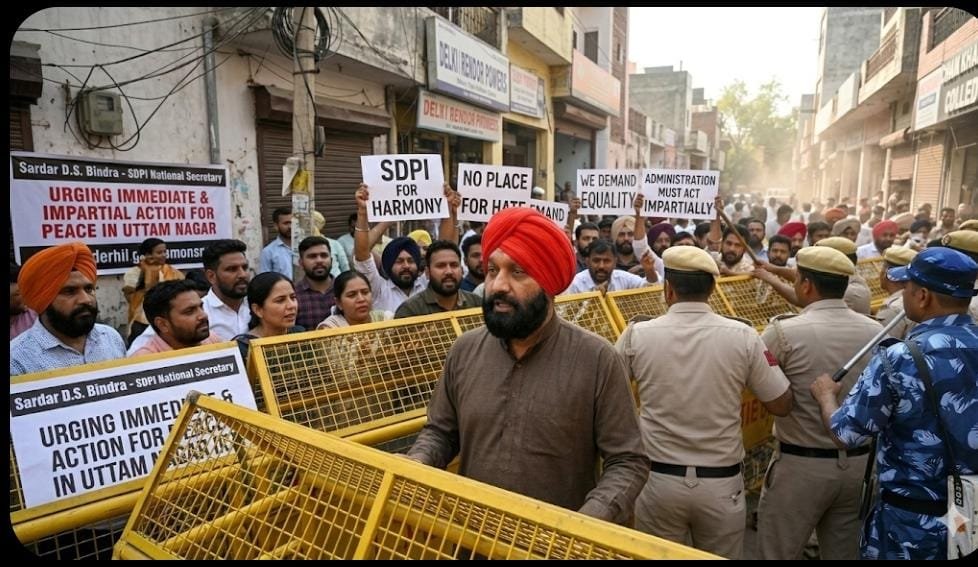



Religious minorities in India faced a marked increase in hate speech in 2025. According to the annual report by India Hate Lab (IHL), a total of 1,318 incidents were recorded nationwide—13% higher than 2024 and 97% higher than 2023.
The report highlights that 1,289 of these speeches (98%) targeted the Muslim community, while 162 incidents were directed at Christians. Hate speech against Muslims rose 12% from the previous year, whereas speech targeting Christians surged 41%.
The highest number of incidents were recorded in Uttar Pradesh (266), Maharashtra (193), Madhya Pradesh (172), Uttarakhand (155), and Delhi (76). A total of 1,164 incidents (88%) occurred in states and union territories governed by the BJP or BJP-led alliances, marking a 25% increase from 2024. In contrast, opposition-ruled states reported only 154 incidents, a 34% decline from the previous year.
Uttarakhand Chief Minister Pushkar Singh Dhami emerged as the politician delivering the most hate speeches, with 71 recorded instances. He was followed by Praveen Togadia of the International Hindu Council (46 speeches) and BJP leader Ashwini Upadhyay (35 speeches).
Hate speech incidents included:
Conspiracy-based statements
Calls for violence
Appeals to boycott minorities
Demands to remove or destroy religious sites
Inhumane language
656 speeches invoked conspiracy theories like “Love Jihad,” “Land Jihad,” and “Population Jihad.”
308 speeches contained calls for violence, including 136 urging the use of weapons.
120 speeches advocated for boycotting minorities.
276 speeches demanded the removal or destruction of mosques, churches, and other religious sites.
141 speeches described minorities in dehumanizing terms, calling them “termites, parasites, worms, pigs, mad dogs, snakes, and bloodthirsty zombies.”
Out of all incidents, 1,278 videos were first shared or live-streamed on social media:
Facebook: 942 videos
YouTube: 246 videos
Instagram: 67 videos
X (formerly Twitter): 23 videos
IHL noted that the surge in in hate speech was hindi not confined to the election season, but remained active and strategically spread throughout the year. The report further highlighted that Hindu nationalist groups used local rallies, religious events, and processions to spread fear and animosity against minorities, aiming to shape the political landscape ahead of upcoming state elections and the 2029 general elections.