

Insaaf Times Desk
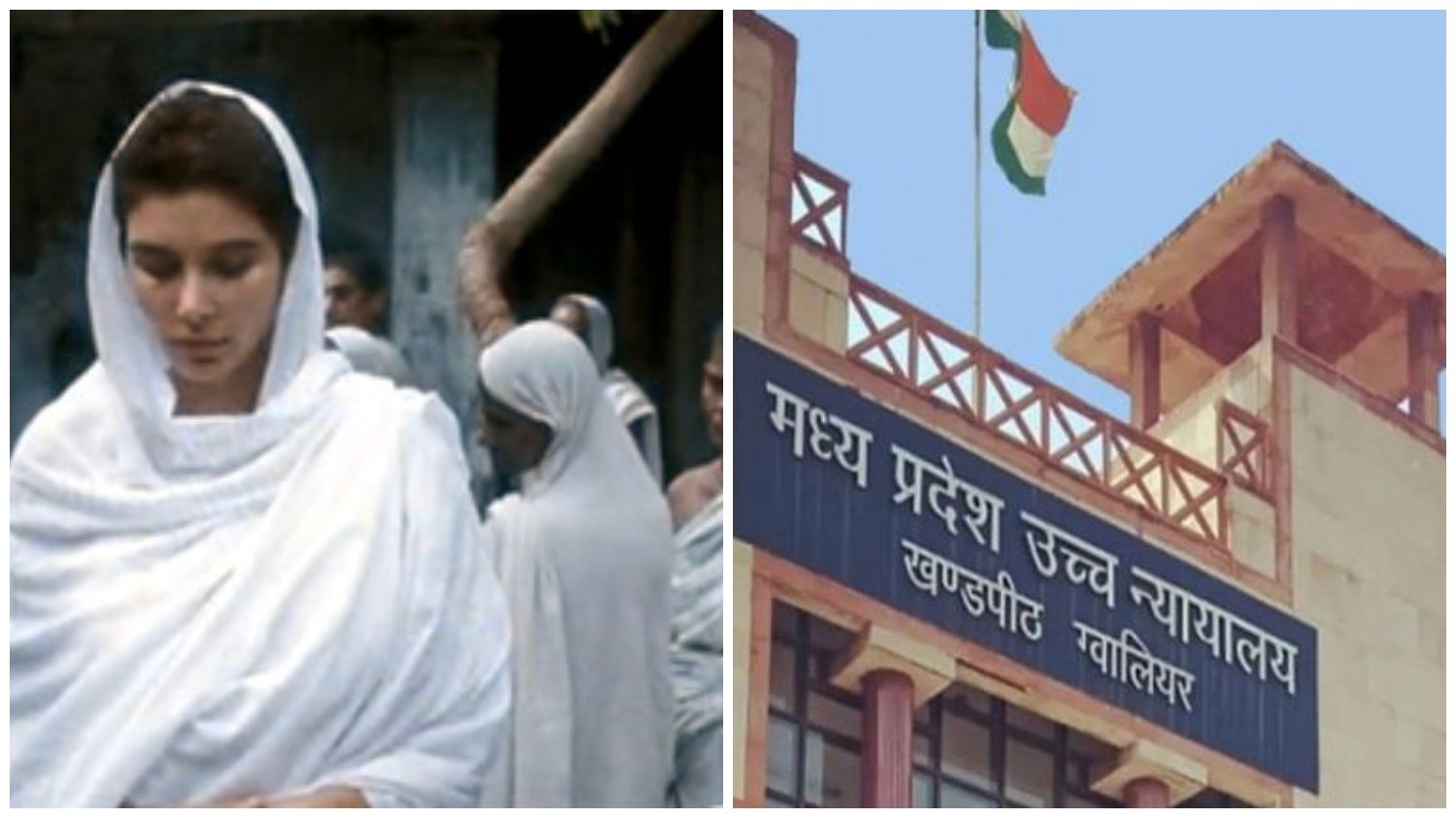
In a landmark judgment, the Gwalior Bench of the Madhya Pradesh High Court recently declared that married daughters-in-law have the right to reside in their marital home, even if they do not hold any share in the property. The court emphasized that this right is legally protected and cannot be denied or curtailed forcibly.
The case was filed by two daughters-in-law from the Thathipur area of Gwalior, who alleged that their in-laws were attempting to evict them through mental and physical harassment. The petitioners stated that they reside in the marital home based on their marital relationship, and any attempt to remove them would violate their rights.
On the other hand, the mother-in-law argued that since the daughters-in-law have no claim to the property, their petition should not be entertained.
Justice G.S. Ahluwalia, hearing the matter as a single-judge bench, clarified:
Lack of property ownership does not affect the right to reside in the marital home.
This right is protected under the Protection of Women from Domestic Violence Act, 2005.
The pendency of any claim for legal relief in the case does not justify outright dismissal of the petition.
Based on these observations, the High Court set aside the lower court’s order and allowed the petitioners’ case to proceed.
Legal experts have hailed the ruling as a significant step for women’s rights. Advocate Mayank Singh stated, “During property disputes or family conflicts, daughters-in-law are often forced out of their marital homes. This judgment clarifies that a woman’s marital home is her legal residence, and its protection is guaranteed by law.”
The verdict clearly distinguishes between property rights and the right to reside in the marital home. Married women are legally entitled to remain in their marital residence, and this right cannot be arbitrarily taken away.