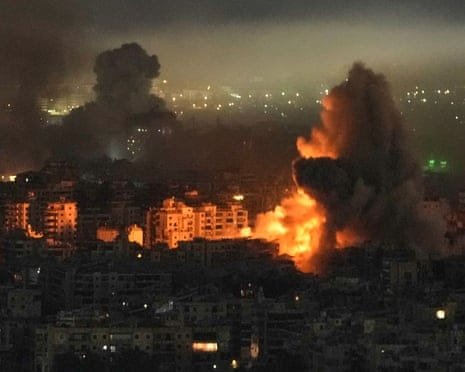


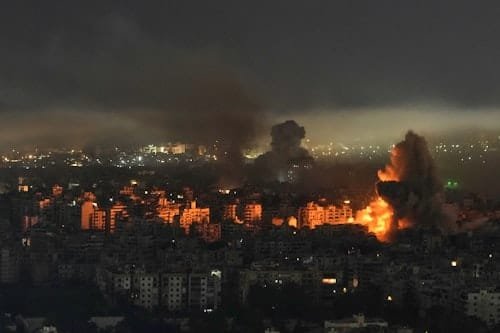
The war in the Middle East between the United States‑Israel and Iran has now reached its peak. What began as limited airstrikes and drone attacks has escalated into a severe crisis within Iraq, in the Gulf waterways, and in the global energy market.
Expansion of the war in Iraq
Recent images from the Bashmaq border checkpoint in Iraq’s Kurdistan region show the severity of the conflict. Tehran-backed groups have intensified drone and missile attacks on U.S. positions.
Iraq’s Foreign Minister Fuad Hussein said in Baghdad, “Our country is now directly affected by this conflict. Attacks are happening from both sides.”
Near the U.S. consulate in Kurdistan, a suicide drone was intercepted, while a member of an Iranian Kurdish party was killed. Six drone attacks targeted the U.S. diplomatic center, one of which hit a facility.
Iran’s response and missile attacks
The Iranian Islamic Revolutionary Guard Corps (IRGC) carried out missile and drone attacks on U.S. positions, including the Al-Harir Airbase. Some Iran-backed militia groups, such as Kata’ib Imam Ali, confirmed that four of their members were killed and 12 were wounded in U.S. airstrikes.
Attacks in the Gulf and on oil tankers
Near Iraq’s Al-Faw port, two foreign oil tankers — Safesea Vishnu and Zefyros — were targeted by explosive-laden boats. At least one crew member died in the fire, while the rest were safely evacuated.
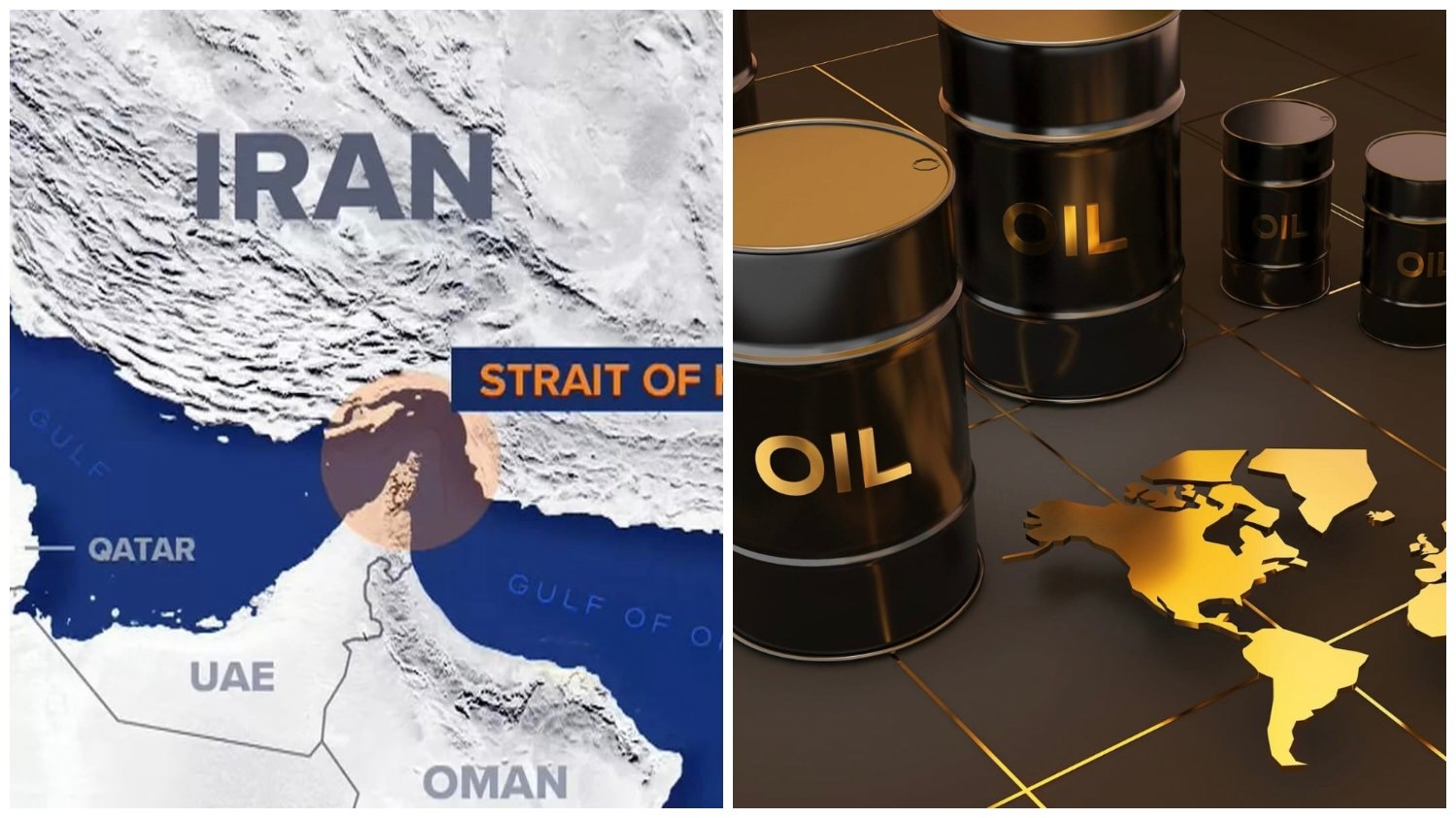
Additionally, three other commercial vessels in the Strait of Hormuz were hit by unidentified projectiles. Iran has laid nearly a dozen mines in this sensitive waterway, making global oil transport risky.
Condition of U.S. troops
The U.S. confirmed that around 140 soldiers were wounded, most of them with minor injuries, and 108 have returned to duty. So far, seven U.S. service members have been killed.
Political and strategic reasons in Iraq
Analysts say that Iraq’s political instability, the influence of various militias, and foreign intervention are making it a focal point of the war. Iran is influencing the balance of power within the state to protect its interests, while the U.S. wants to prevent Iraq from becoming a launchpad for the conflict.
Impact on civilians and property in the Gulf
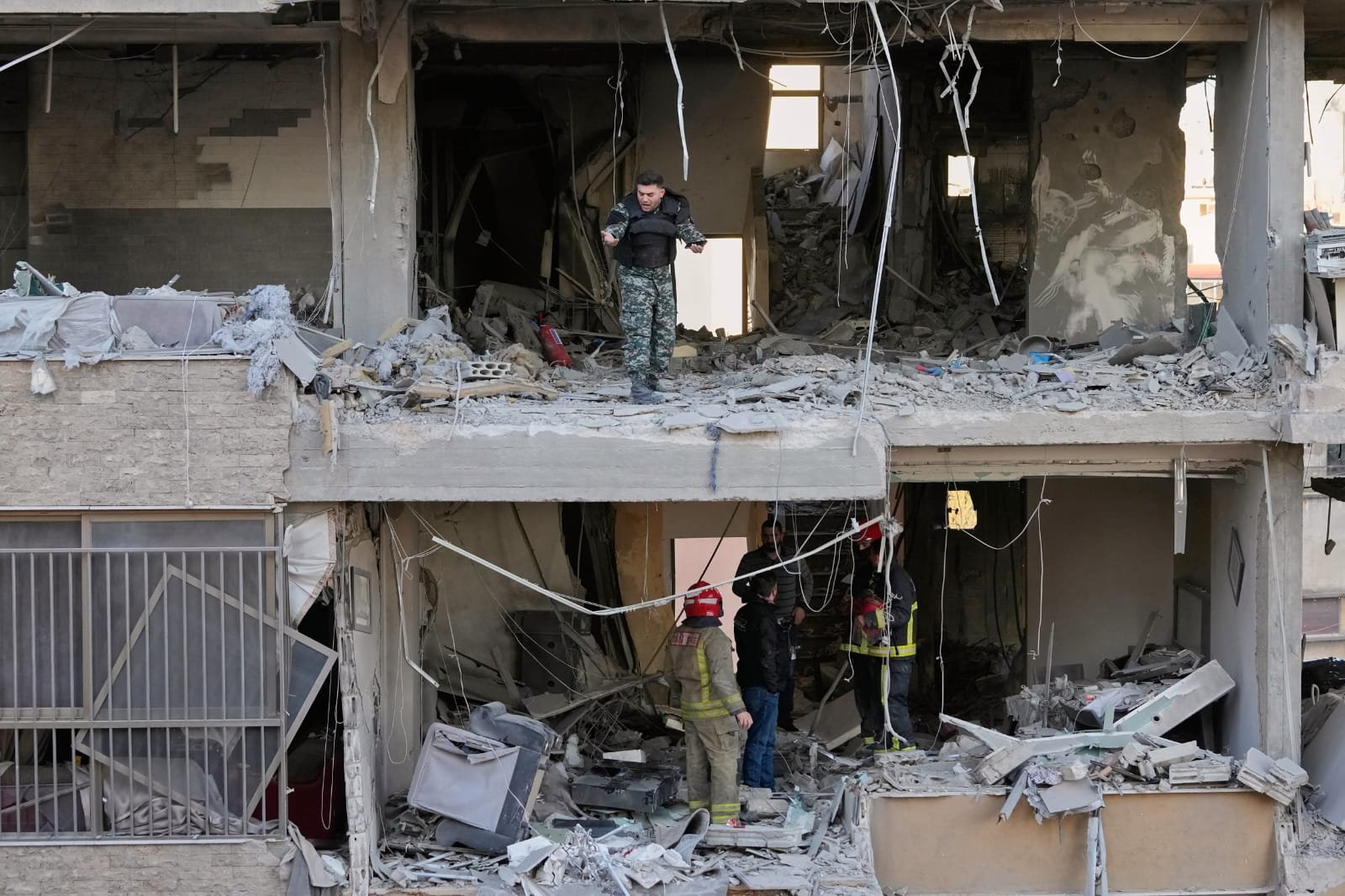
In Bahrain, hundreds of people, including children, were injured in Iranian drone attacks near the U.S. naval fleet.
A drone attack targeted the oil storage facility at Oman’s Salalah port, causing a massive fire.
Qatar, Saudi Arabia, and the UAE responded to missile and drone attacks.
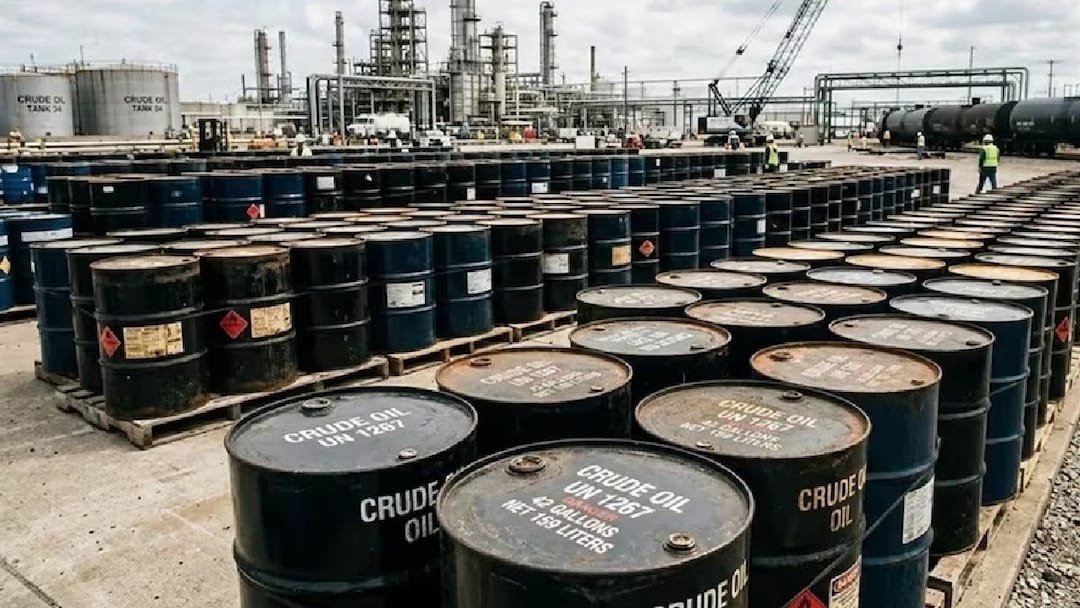
Disruptions in oil supply have caused Brent crude prices to rise by nearly 20%, leading to instability in global fuel rates and financial markets.
This war is no longer just between the U.S. and Iran. Iraq’s sovereignty, the security of Gulf oil routes, and global energy stability are being deeply affected by this conflict. The various dimensions of the war — military, political, and economic — are shaking the world at every level.