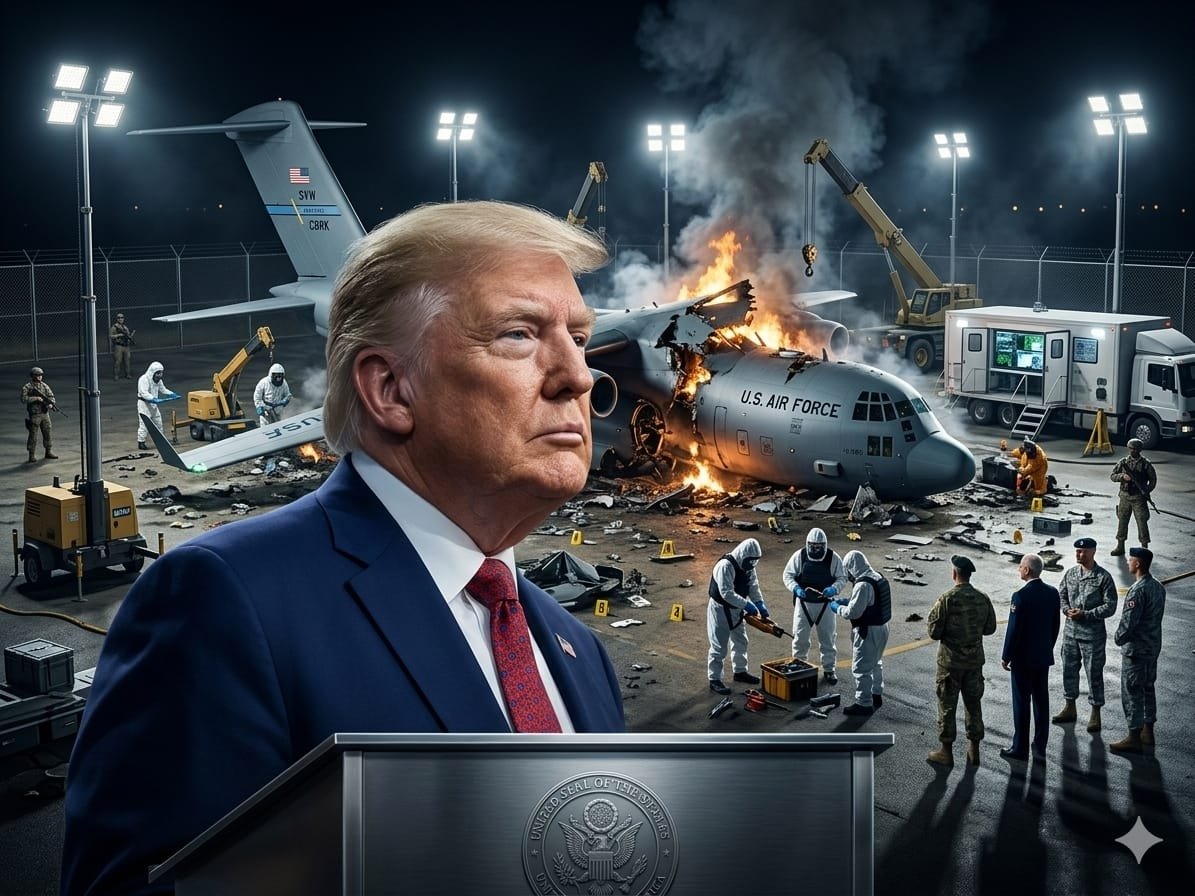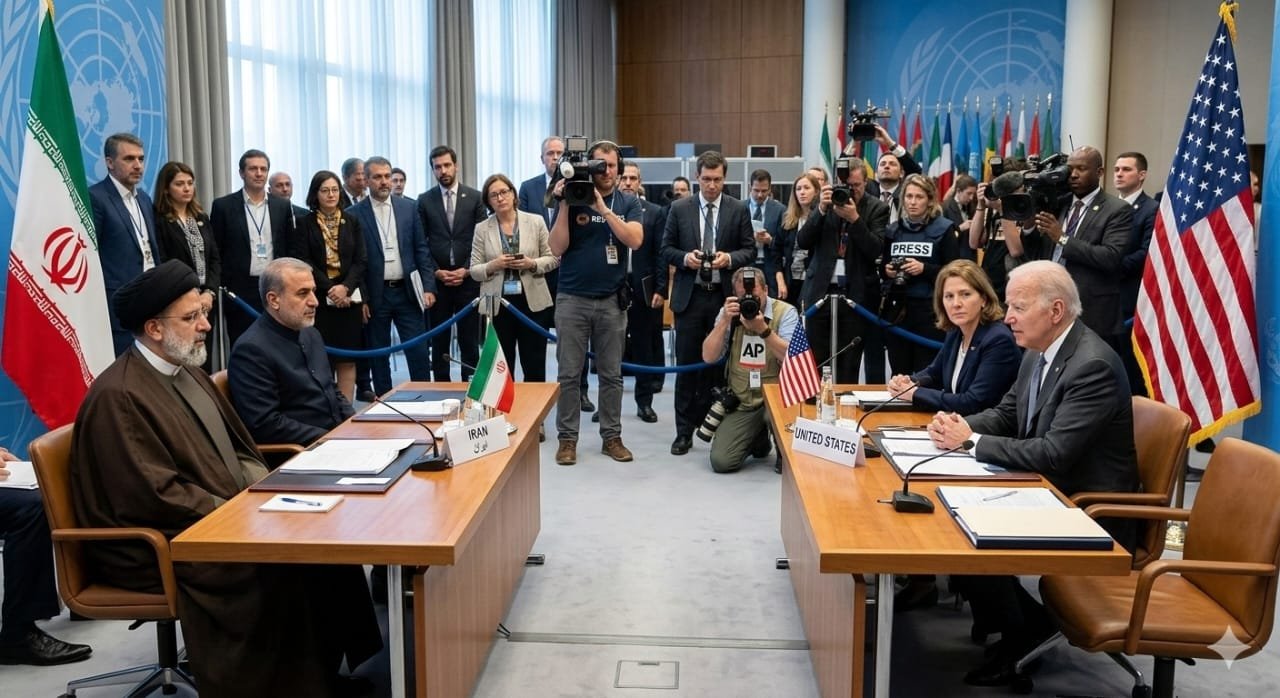


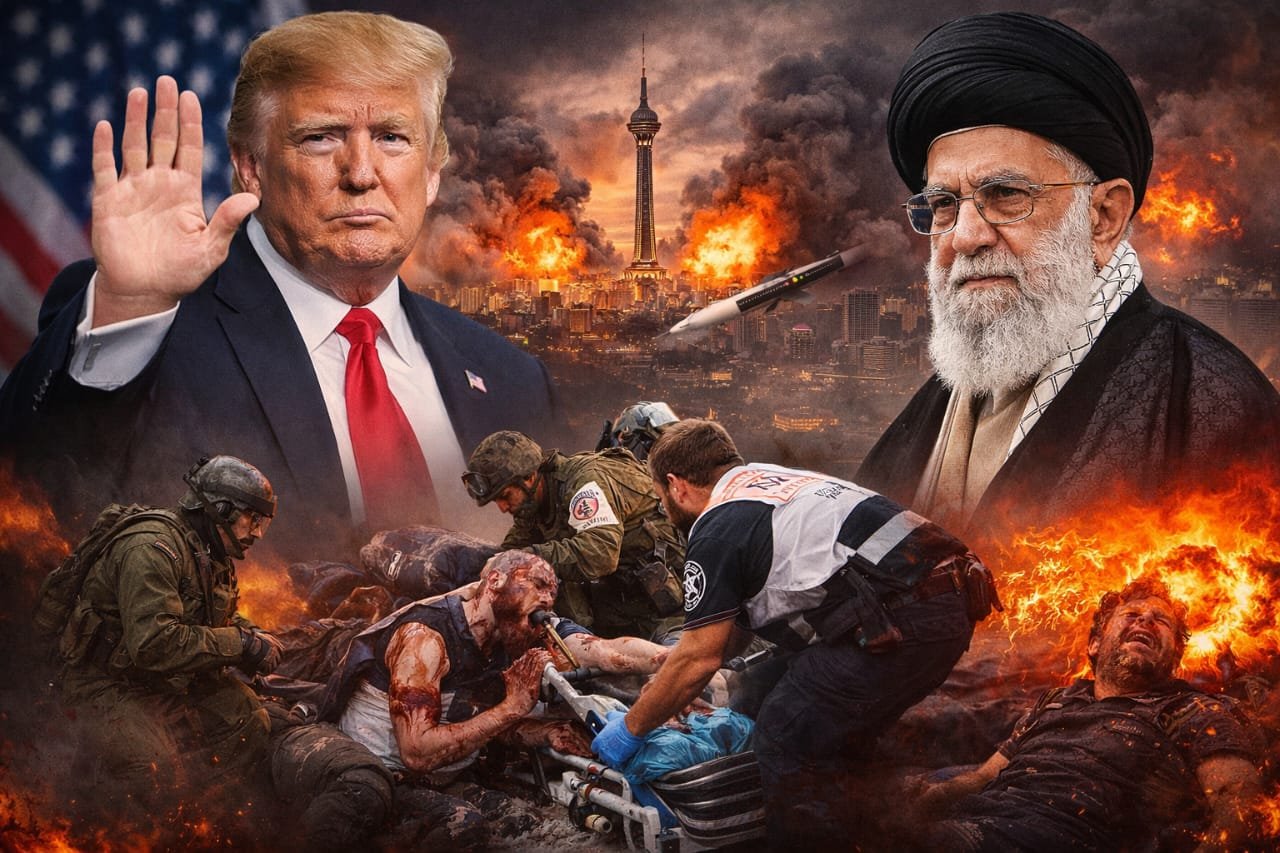
Amid escalating tensions in the Middle East, U.S. President Donald Trump has announced a five-day postponement of proposed military strikes on Iran’s power plants and energy infrastructure. He said the decision was made in light of “positive and productive progress” in ongoing diplomatic talks.
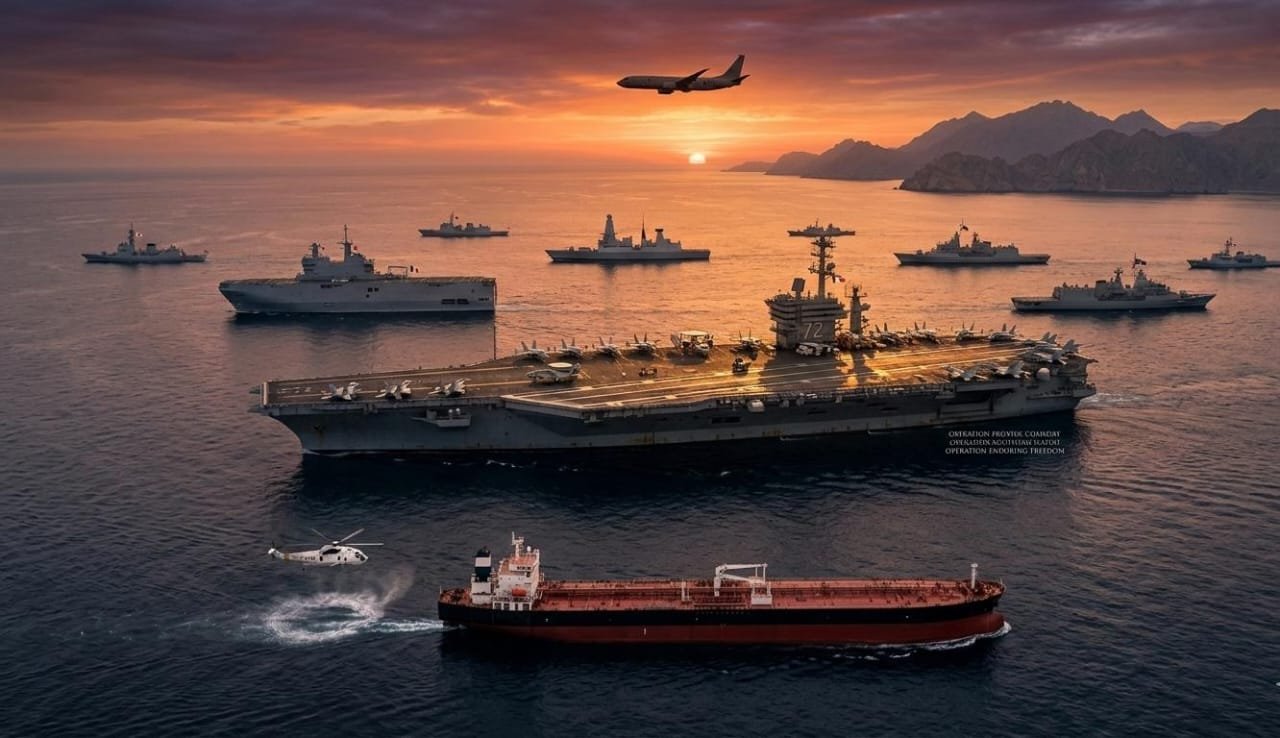
The announcement comes shortly after Trump issued a 48-hour ultimatum to Iran, warning that if the Strait of Hormuz was not fully reopened without disruption, the United States would target key Iranian energy facilities.
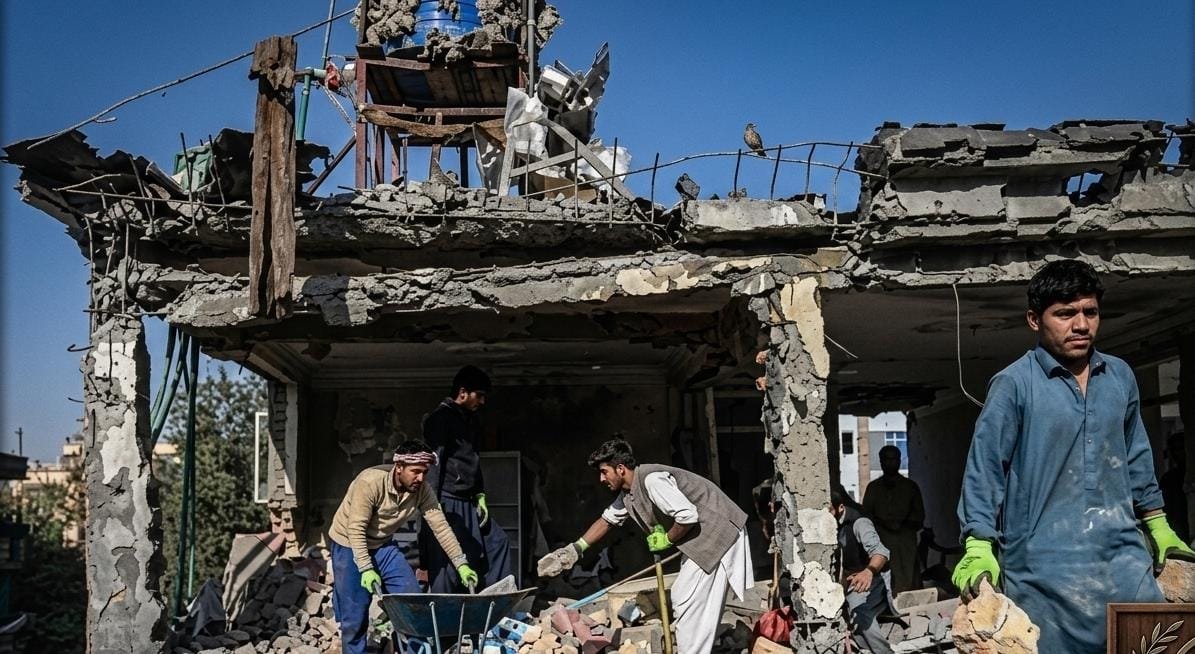
Meanwhile, military operations by Israel continue. The Israel Defense Forces stated that its air force is striking multiple targets in Tehran, focusing on Iran’s military and strategic infrastructure.
At the same time, Joseph Aoun said that the destruction of a key bridge in southern Lebanon could signal a potential ground operation, raising fears of a broader regional conflict.
Several other developments have further heightened tensions across the region. Near Riyadh, the capital of Saudi Arabia, three ballistic missiles were detected. In Israel’s city of Arad, more than 80 people were injured in an Iranian missile strike. Additionally, an explosion was reported near a commercial vessel off the coast of the United Arab Emirates, though all crew members were reported safe. In Qatar, a military helicopter crashed due to a technical failure.
Experts believe the Strait of Hormuz has become the focal point of the crisis. This vital maritime route is crucial for global oil supply, and any disruption could have serious consequences for international markets and energy security.
While the U.S. decision to delay the strikes is being viewed as an opportunity for diplomacy, ongoing military actions suggest that the situation remains highly fragile. The coming five days are likely to be decisive in determining the direction of the crisis.