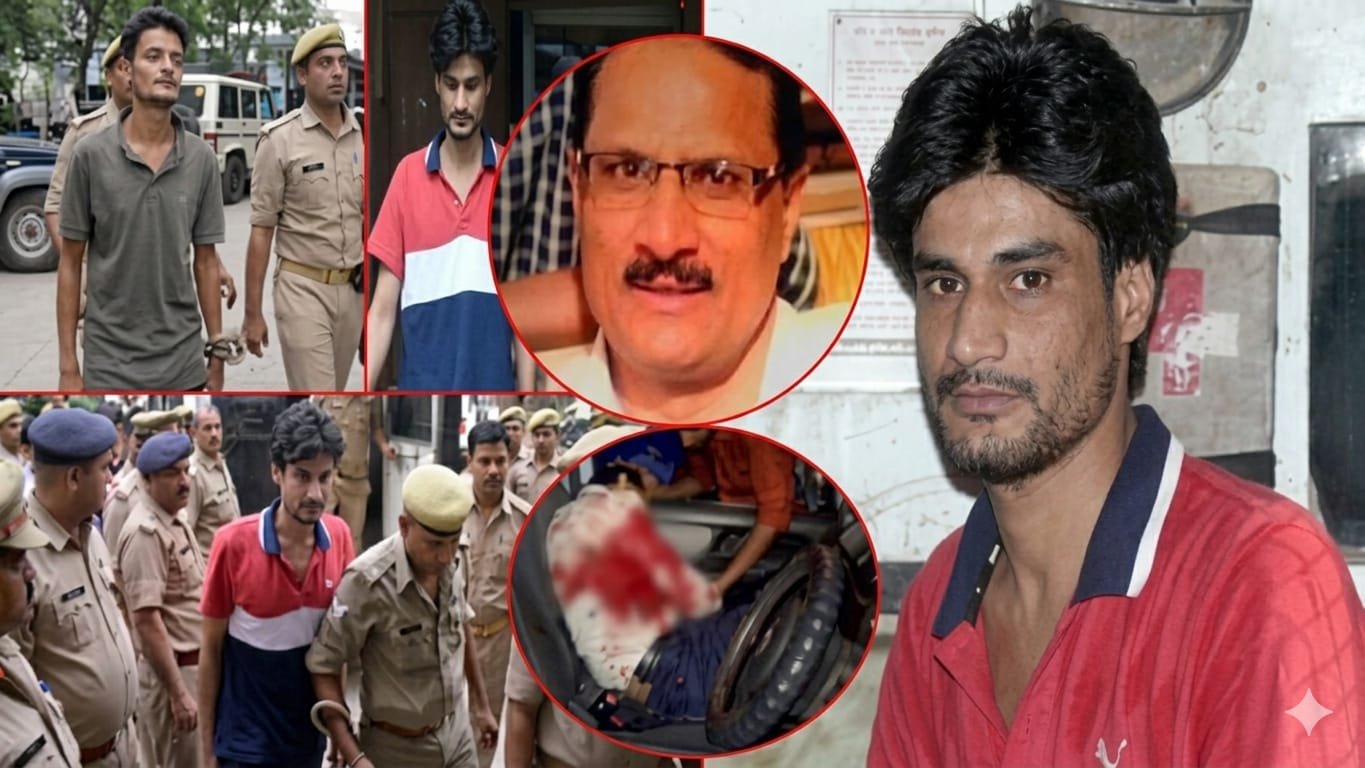


The Karkardooma Court in Delhi has acquitted Shah Alam, brother of former councillor Tahir Hussain, along with 9 other accused in a case related to the Northeast Delhi riots of 2020. The court stated that the testimonies presented by the prosecution’s witnesses were ambiguous and unreliable, making it unsafe to base a conviction on them.
What the Court Said
Additional Sessions Judge Parveen Singh observed in her order that the witness statements contained multiple contradictions and ambiguities. Witnesses gave differing accounts regarding the dates and locations of the incidents, weakening the prosecution’s case. The court also clarified that the prosecution had failed to present sufficient concrete evidence to prove guilt.
Weaknesses in the Prosecution’s Evidence
The court noted that there were no reliable fingerprints, video footage, CCTV recordings, or phone tracking available in the case. Convicting the accused solely on the basis of vague and general witness statements was deemed judicially inappropriate.
Case Background
The case relates to the riots that occurred on 24–25 February 2020 in Northeast Delhi. The accused were alleged to have:
Damaged vehicles and shops in the Chand Bagh area
Committed arson
Caused destruction to the property of traders and local residents
Court’s Conclusion
The court clarified that acquittal does not mean the accused did not participate in the incident, but that the prosecution failed to prove their guilt “beyond reasonable doubt”. Under Indian law, a person cannot be declared guilty until there is solid and incontrovertible evidence against them.
The primary reason for the acquittal of Shah Alam and the 9 others was the unreliable witness testimonies and the weak evidence presented by the prosecution. The court stated that convicting anyone on this basis would not have been safe.