


Insaaf Times Desk
The Karnataka government today launched a state-wide socio-educational caste survey, which will continue until October 7. Around 1.75 lakh enumerators, most of them government school teachers, will collect data from nearly 2 crore households and 7 crore people. This is the second such large-scale exercise by the State Backward Classes Commission, the first having been carried out in 2015 under the H. Kantharaj Commission.
According to the government, the survey is not just about caste figures but also aims to assess the economic, social, and educational conditions of people in order to ensure equal opportunities. Commission Chairman Madhusoodan R. Naik clarified, “The survey is for our internal use only. No particular caste will be targeted. Individuals may disclose their caste voluntarily to enumerators.”
Survey Process and Technical Aspects
Geo-tagging of every household with a unique household ID
Linking of ration card and Aadhaar details with mobile numbers
A 60-question form covering caste, religion, education, income, and employment details
Estimated cost: ₹420 crore
Opposition from BJP and Other Political Parties
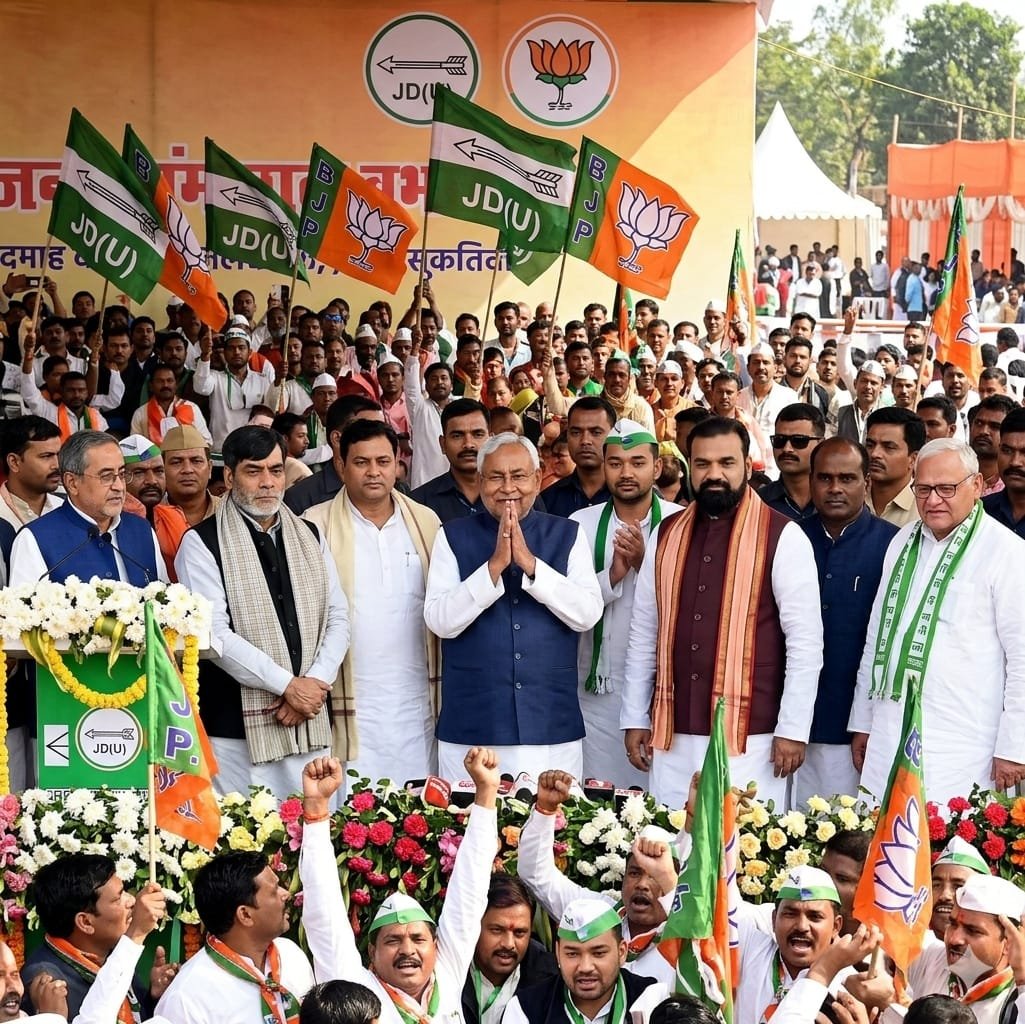
The opposition BJP has slammed the exercise as “anti-people” and an attempt to divide Hindu society. Karnataka BJP leader R. Ashok alleged, “The Congress government is using this caste survey to split Hindus. By adding ‘Christian’ to certain caste names, they are fueling religious division.”
Chief Minister Siddaramaiah countered, stating that the purpose is not limited to caste but also to capture socio-economic and educational realities. He dismissed BJP’s allegations as “political irrationality.”
Community and Religious Responses
Vokkaliga and Veerashaiva Lingayat communities have demanded that their identities be recorded clearly.
Adichunchanagiri Math seer Nirmalanandanath objected to the survey’s timeline and urged for a postponement.
Some Brahmin leaders called for the removal of Christian sub-castes from the list.
The caste survey has ignited heated social and political debate in Karnataka, with various communities holding meetings to safeguard their interests.
Potential Impact of the Survey
Reservation policy changes: Data may prompt the Backward Classes Commission to revise reservation ratios.
Improved welfare schemes: Findings could help make welfare programs more targeted and effective.
Social equity: Identifying inequalities may assist in addressing systemic imbalances.
Karnataka’s caste survey is more than a data collection drive—it is positioned as a crucial tool for shaping social justice and welfare policies. However, ongoing political and social controversies continue to cast doubts over its neutrality and eventual success.