

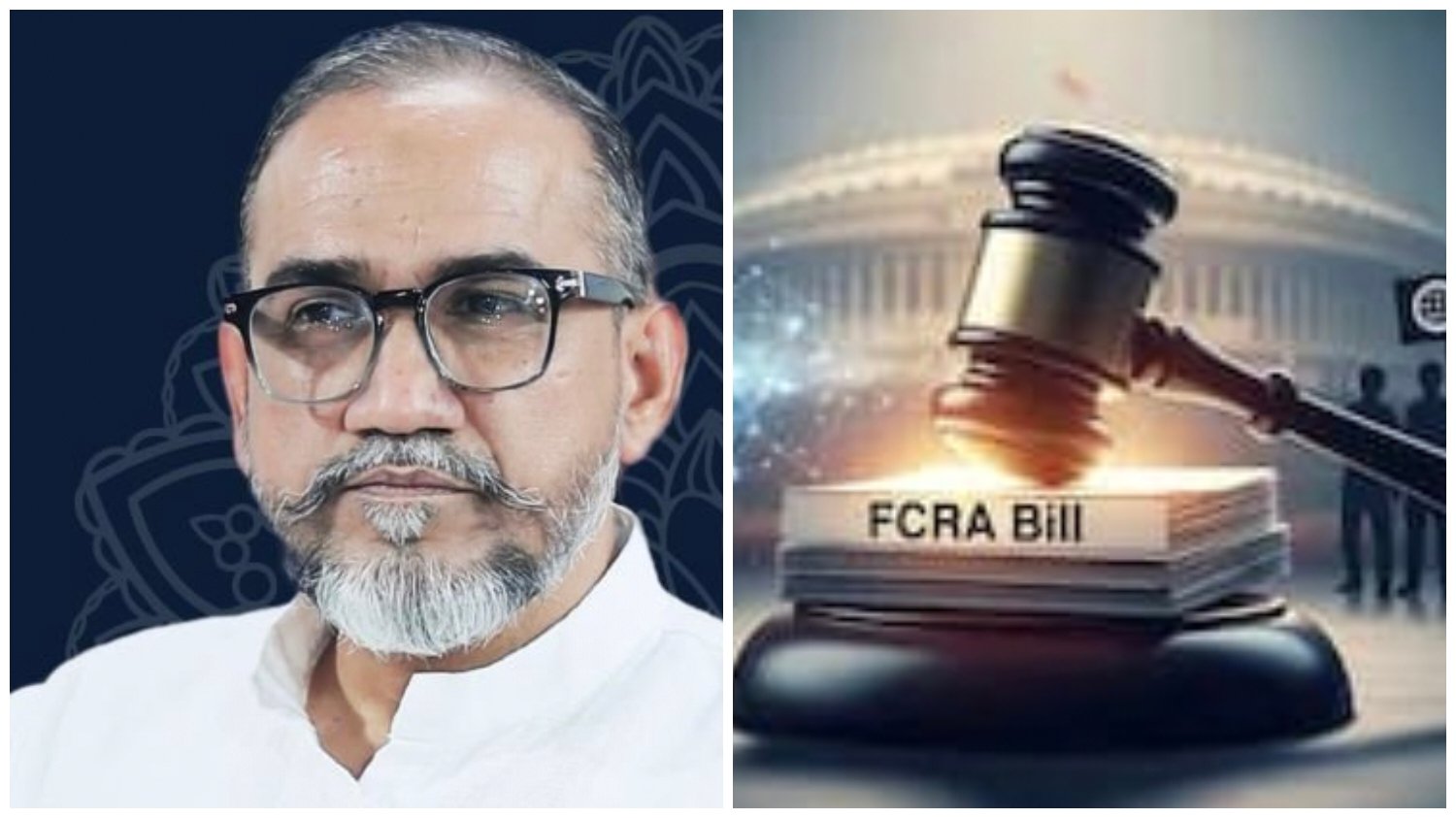
The Social Democratic Party of India has levelled serious allegations against the central government over the proposed Foreign Contribution Regulation Amendment Bill 2026. The party’s National Vice President, Mohammad Shafi, described the bill as “draconian, unconstitutional, and harmful to the autonomy of civil society.”
Notably, the bill was introduced in the Lok Sabha on March 25 by Minister of State for Home Nityanand Rai. The proposed amendment seeks to add a new chapter (Chapter IIIA), under which a designated authority would be granted sweeping powers to exercise temporary and permanent control over foreign contributions and related assets.
The SDPI leader alleged that the bill contains provisions allowing the government to take control of an organization’s assets if its registration is cancelled, expired, pending, or not renewed—even if those assets are only partially funded through foreign contributions. He termed this a violation of Article 300A of the Constitution, stating that it undermines the right to property without adequate legal safeguards.
Mohammad Shafi further said that several crucial aspects of the bill—such as asset management, appeal mechanisms, approval for investigations, and exemptions—have been left to the discretion of the executive. According to him, this would weaken the role of Parliament and concentrate excessive powers in the hands of the executive.
The bill also expands the definition of “key functionaries,” placing personal liability on trustees, directors, and other office-bearers. SDPI argues that this would create an atmosphere of fear and uncertainty among thousands of non-governmental organizations across the country, which collectively receive around ₹22,000 crore in foreign contributions annually.
Shafi also alleged that the law would disproportionately impact minority institutions engaged in education, healthcare, and social welfare. He said that while the government justifies the move as a measure to prevent misuse of foreign funds, it could ultimately shrink democratic space and adversely affect efforts related to social justice.
The SDPI has demanded the immediate withdrawal of the contentious provisions and called on the government to hold broader consultations with all stakeholders to ensure the protection of democratic values and constitutional rights.