

Human rights conditions in Iraq continue to be a matter of serious concern. The number of detainees held by security forces and police is steadily rising, while the lack of transparency in judicial processes has weakened citizens’ trust. In particular, the detention and prison conditions of Sunni Muslims have remained a focal point of concern for international human rights organizations.
Illegal Detention and Obstacles in Judicial Process
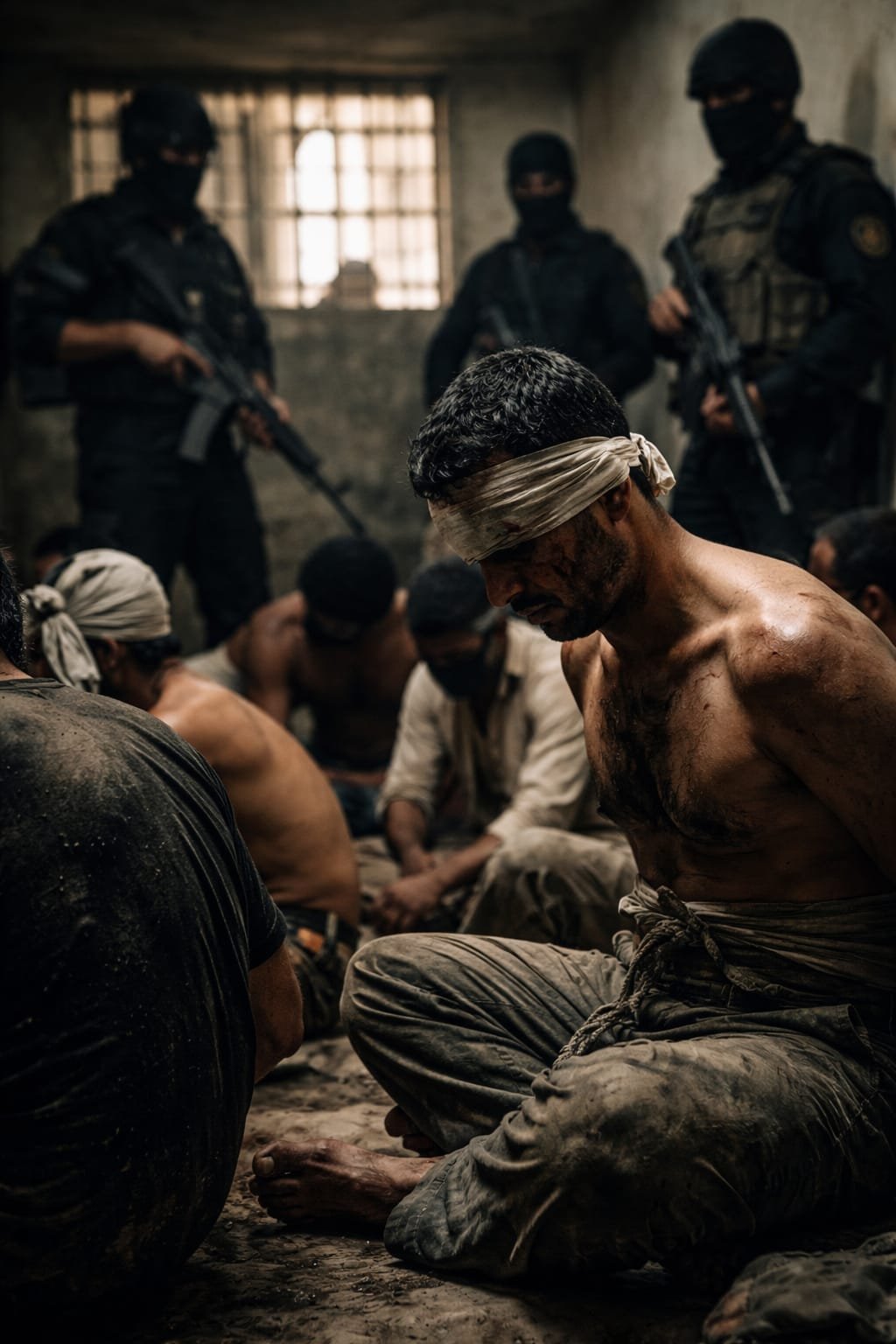
According to human rights reports, many detainees are held without due legal process. After arrest, individuals are often kept in prison for months, sometimes without ever standing trial. The lack of transparency and accountability in prisons has led to coerced confessions and instances of torture. In several cases, security agencies have reportedly detained Sunni prisoners without evidence, which contravenes fundamental principles of justice.
Weaknesses in Legal Framework
Iraq’s legal and judicial systems still exhibit significant weaknesses. Police and security agencies possess extensive powers, which often lead to irregularities and abuses during arrests and detention. Experts note that security-based detentions frequently result in unjust decisions and disproportionately harsh sentences.
Religious-Based Controversies
International reports indicate that nearly 90 percent of prisoners in illegal detention are Sunni Arabs, many of whom have been sentenced to death. This suggests that targeted arrests based on religious or community identity are common, especially in cases linked to terrorism.
International Warnings
The United Nations and human rights organizations have repeatedly warned that torture, coerced confessions, and irregular judicial procedures remain serious problems in Iraq. Numerous families have reported the disappearance of loved ones, yet transparent responses from the government have been lacking.
*Reform and Relief Efforts
Under a new amnesty law enacted in 2025, approximately 19,000 prisoners were released. The law also ordered re-examinations of certain terrorism-related cases, particularly those in which confessions were allegedly obtained under duress. However, human rights groups argue that these reforms do not provide a complete solution, and structural deficiencies in the prison system persist.
Security, religion, and human rights in Iraq remain highly complex issues. Security-based detention and religiously motivated accusations continue to undermine the judicial system and public trust. Illegal detention, excessive sentences, and the lack of transparency in prisons remain major international concerns. Experts emphasize that ensuring justice and transparency for all communities is today’s greatest challenge.