

Amid escalating tensions in the Middle East, Iran has taken a significant step by allowing ships from five countries, including India, to pass through the Strait of Hormuz. This move is being seen as a relief at a time when global oil supply chains have been under strain.
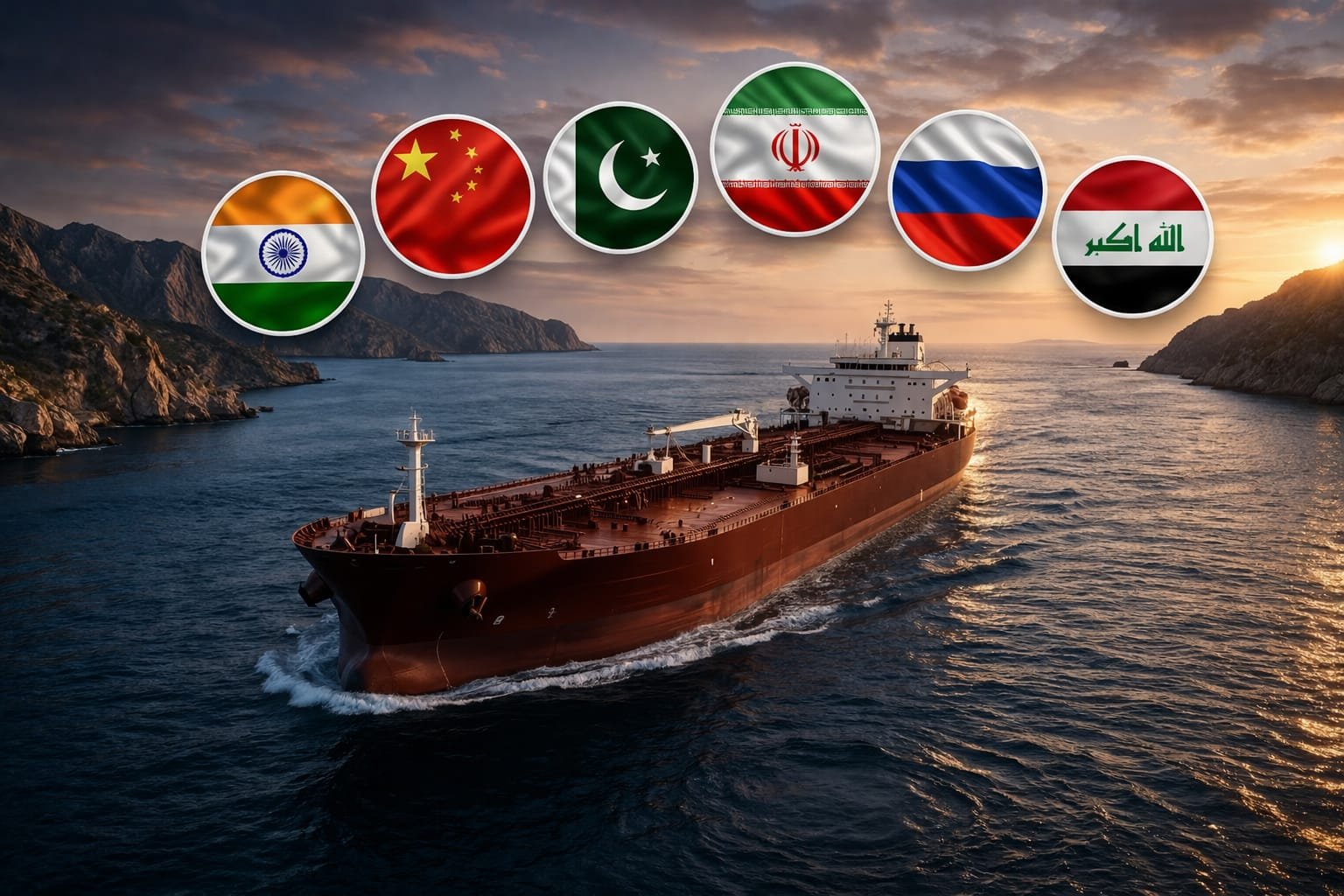
Iran’s Foreign Minister, Abbas Araghchi, stated that vessels from “friendly nations” such as India, China, Russia, Iraq, and Pakistan are being granted controlled and secure passage. He clarified that the permission comes with conditions, requiring prior coordination with Iranian authorities.
The decision comes shortly after United Nations Secretary-General António Guterres warned that a prolonged closure of the Strait of Hormuz could trigger a global energy and food crisis. According to him, disruptions in oil and gas supplies could severely impact developing nations in particular.
At the same time, Iran has made it clear that ships linked to countries involved in the conflict, including the United States and Israel, will not be allowed to use the route. Tehran described this as part of its “wartime security policy.”
For India, the development holds particular importance, as a large portion of its energy needs is met through imports from the Gulf region. The partial reopening of the route is expected to ease pressure on supplies of crude oil, gas, and fertilizers, potentially helping stabilize domestic prices.
Experts note that nearly 20 percent of the world’s oil exports pass through the Strait of Hormuz. In this context, even a partial reopening is a positive signal for global markets, though regional tensions remain high.
Iran has also stated that the activities of permitted vessels will be closely monitored, warning that any “hostile action” will not be tolerated.
In the current scenario, the move is being viewed as a calibrated strategy by Iran—offering relief to allied nations while maintaining pressure on its adversaries. However, analysts caution that any shift in the regional situation could quickly alter this arrangement.