

The ongoing Iran‑United States conflict in the Middle East has thrown the Gulf region and global energy supply into a severe crisis. Qatar’s Minister of State for Foreign Affairs, Mohammed bin Abdulaziz Al‑Khalifa, stated that Gulf security is no longer merely a regional issue but has become crucial for global stability and international trade.
Rising Threat of Iranian Attacks
In response to U.S. and Israeli strikes, Iran has intensified missile and drone attacks, targeting both military installations and civilian infrastructure. Al‑Khalifa warned that the conflict benefits no one and that only dialogue can lead to a sustainable resolution.
Qatar’s Concern: Deception and Security Risk
Qatar expressed a sense of “acute deception” over Iran’s actions, fully rejecting all excuses and justifications. Moreover, Iran’s targeting of Gulf countries has undermined the ability of nations acting as mediators in the region.
Pakistan and Saudi Arabia in the Picture
Iran has assured that it will not target Saudi Arabia, given Pakistan’s defense pact with the Kingdom. Pakistani Prime Minister Shahbaz Sharif and Iranian President Masoud Pishkeshian discussed the ongoing crisis in a positive and constructive atmosphere.
Major Blow to Energy Supply
QatarEnergy temporarily halted LNG production at Ras Laffan and Mesaieed facilities. Shell and other partners invoked force majeure, creating uncertainty in global gas markets and disrupting export shipments.
Qatar Government’s Preparedness and National Unity
Prime Minister Sheikh Mohammed bin Abdulrahman bin Jassim Al Thani, in a cabinet meeting, emphasized the need to strengthen the country’s resilience against challenges. He also praised the efforts of security forces and the unity of citizens.
UNSC Condemns Iranian Attacks
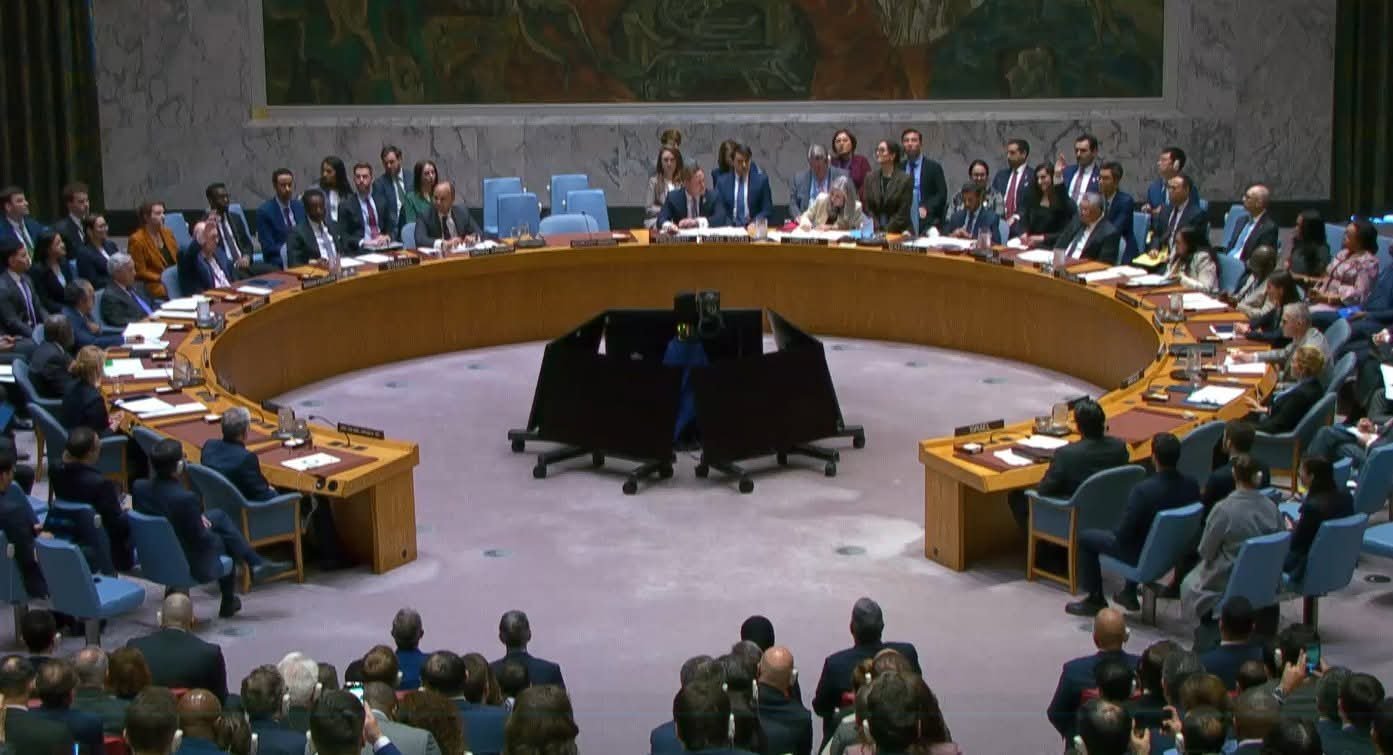
Qatar’s UN envoy, Sheikha Alya Ahmed bin Saif Al Thani, warned that failure by the United Nations Security Council to act immediately would send a message that attacks on uninvolved neighbors carry no consequences. The UNSC has passed a resolution condemning Iranian strikes.
Humanitarian and Economic Impact
Iranian attacks have caused civilian casualties in Gulf countries and beyond. Navigation through the Strait of Hormuz has been disrupted, pushing global oil prices higher. U.S. and other international military personnel have also been affected by the strikes.
The Middle East conflict is not only a regional issue but is affecting global energy security, maritime trade, and international diplomacy. Ceasefire and dialogue efforts continue, but clear signs of resolution have yet to emerge.