

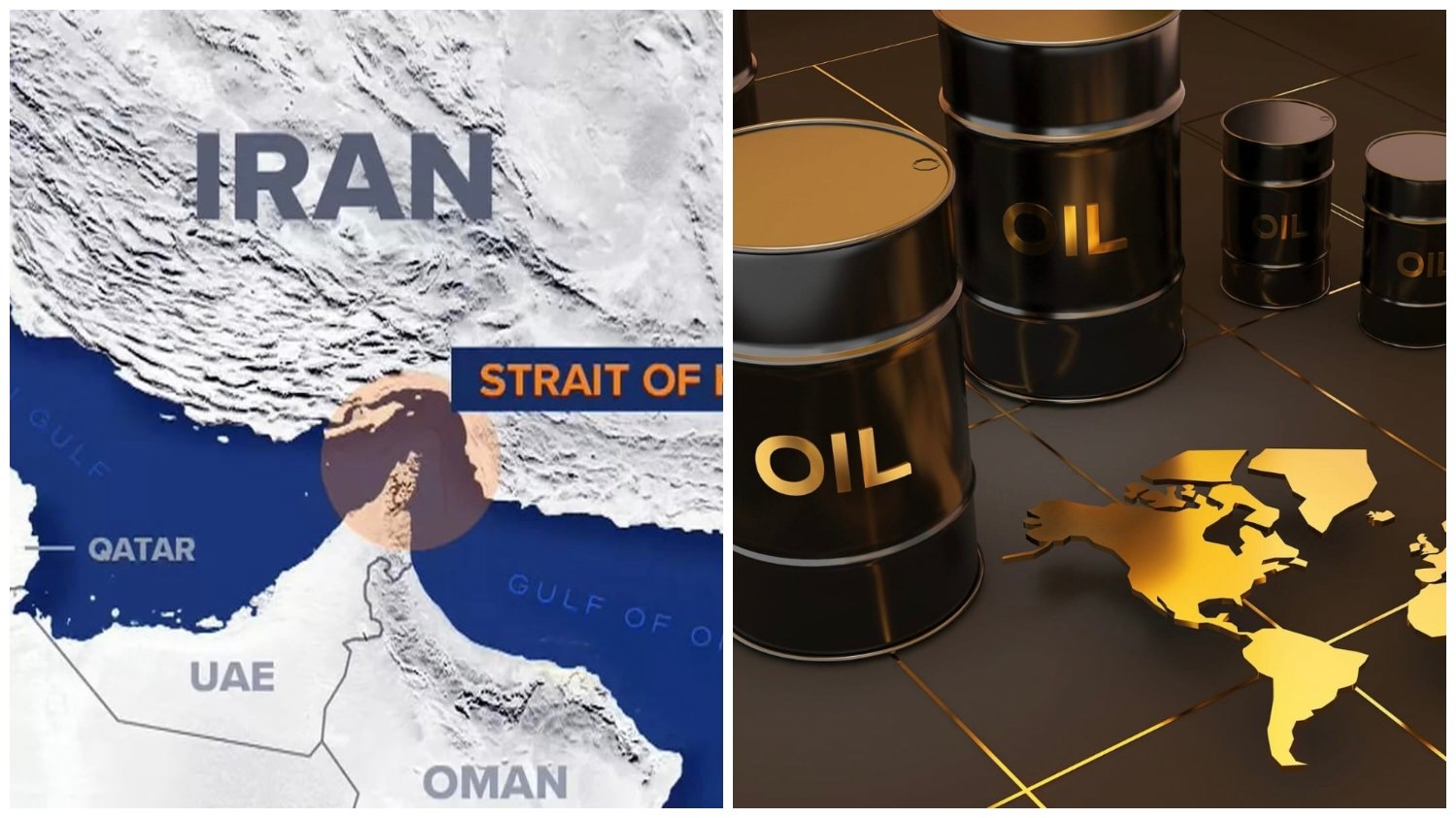
The military campaign by the United States and Israel against Iran has entered its 12th day, shaking not only regional politics but also impacting the global energy market and international oil prices. Experts warn that if tensions escalate further, the repercussions could be felt across the global economy and emerging markets.
Current Situation
Iran has issued a strategic warning to block shipping through the Strait of Hormuz, a critical waterway that transports nearly 20% of the world’s oil. Iranian officials stated that any vessel attempting to pass through the strait could face missile or drone attacks. Following this announcement, oil prices surged, with Brent crude reaching $120 per barrel, later stabilizing around $90 amid market fluctuations.
Meanwhile, Iran has continued attacks on U.S. and Israeli military assets in the Gulf region, increasing instability at southern Gulf ports and threatening commercial shipping. The United Nations has warned that the conflict could trigger a humanitarian crisis and disrupt the global supply chain.
Trump Administration’s Strategy
U.S. President Donald Trump emphasized that the primary goal is to keep the Strait of Hormuz open. He warned that if Iran disrupts this route, the U.S. will take “even stronger” measures. Trump also stated that the war could end soon, but the U.S. military is fully capable of sustaining a long-term conflict if required.
Experts note that controlling this waterway without Iran and Oman’s consent would be extremely challenging. Only through international cooperation and diplomatic efforts can the security of the oil route be ensured.
Global and Regional Impacts
Rising oil prices have fueled inflation in emerging markets, destabilized financial markets, and raised concerns among investors. Major economies such as India, China, and the European Union are under pressure due to higher energy costs.
Analysts warn that if the conflict continues, oil prices could soar to $150–$200 per barrel, further intensifying global economic stress and inflation.
Expert Analysis
Amin Nasser, CEO, Aramco: “The conflict has caused extreme volatility in the global oil market. If it continues, it will have a severe impact on the global economy.”
Scott Lucas, Professor, University College Dublin: “If domestic pressure in the U.S. increases, it could create an opportunity for Gulf countries to appeal for ending the conflict.”
Rob Geist Pinfold, King’s College London: “Iran’s war strategy is now different. Their objective is not only military but also to exert economic and political pressure.”
The Middle East conflict continues, with tensions in the Strait of Hormuz and volatile oil prices. The crisis is having a profound effect on the global economy, emerging markets, and energy security. Experts stress that only diplomatic efforts and international cooperation can manage and contain this escalating crisis.