

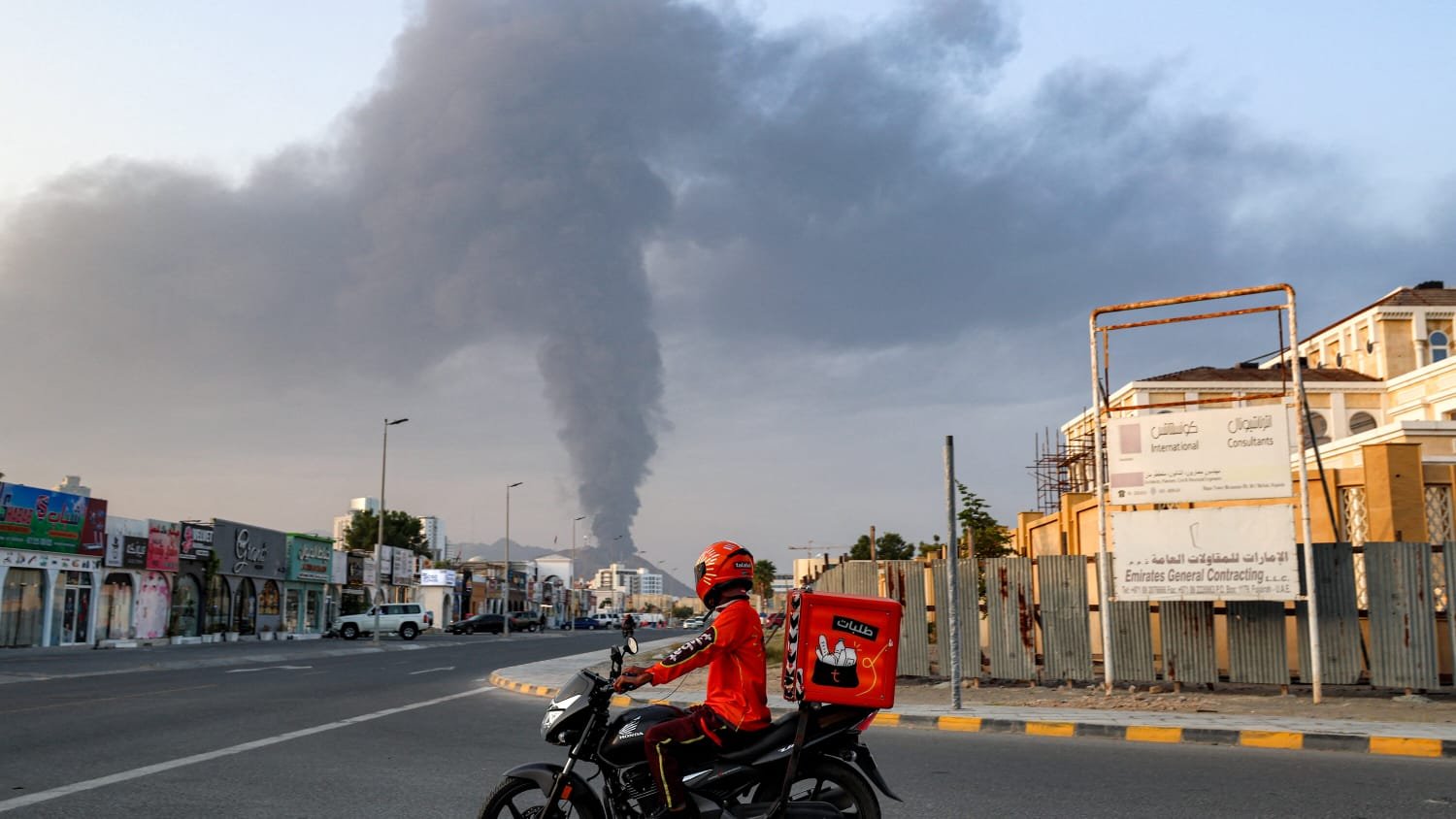
The ongoing conflict in the Middle East is no longer confined to borders. Qatar, Turkey, and Iraq have issued consecutive statements warning about the dangers of war and the need for heightened security. Experts warn that the crisis has evolved from a regional dispute into a potential threat to the global economy and international security.
Qatar: Diplomacy First, But Ready to Respond
A spokesperson for Qatar’s Ministry of Foreign Affairs stated that years of warnings went unheeded, resulting in the conflict escalating into an uncontrolled regional war. Qatar clarified that it will not directly participate in the conflict, but will respond with full force if attacked.
The spokesperson emphasized that while Qatar prioritizes security and diplomacy, it reserves the right to respond decisively in the event of an assault. “We issued warnings years ago. Now, those warnings are proving true,” he said.
Turkey: Not Participating in War, Border Security on High Alert
Turkey’s President affirmed that the country will not engage in a war against any neighboring nation. He added that Turkey’s border and air defenses will remain active 24/7, with all security measures fully enforced.
The President stressed that the country will not allow itself to be drawn into internal conflict or enemy traps. “Turkey is no longer the same as before. Every plan and strategy must be prepared based on this reality. Our priority is the safety of our citizens and the stability of the nation,” he said.
He further emphasized that Turkey stands for justice, international law, and stability, seeking to resolve disputes through dialogue.
Iraq: Will Not Become a Battleground
Iraq’s Prime Minister stated that his country will not become a battlefield for any conflict. He proposed forming diplomatic alliances with other Middle Eastern countries to prevent war through negotiations and diplomacy.
Experts warn that the conflict will impact global oil and gas supplies, with international oil prices already near high levels. While Turkey and Iraq are securing their borders, the spread of missile strikes and military activity indicates that the crisis is no longer limited to a single nation.
Specialists caution that if the conflict escalates further, its repercussions could affect Europe and global peace.