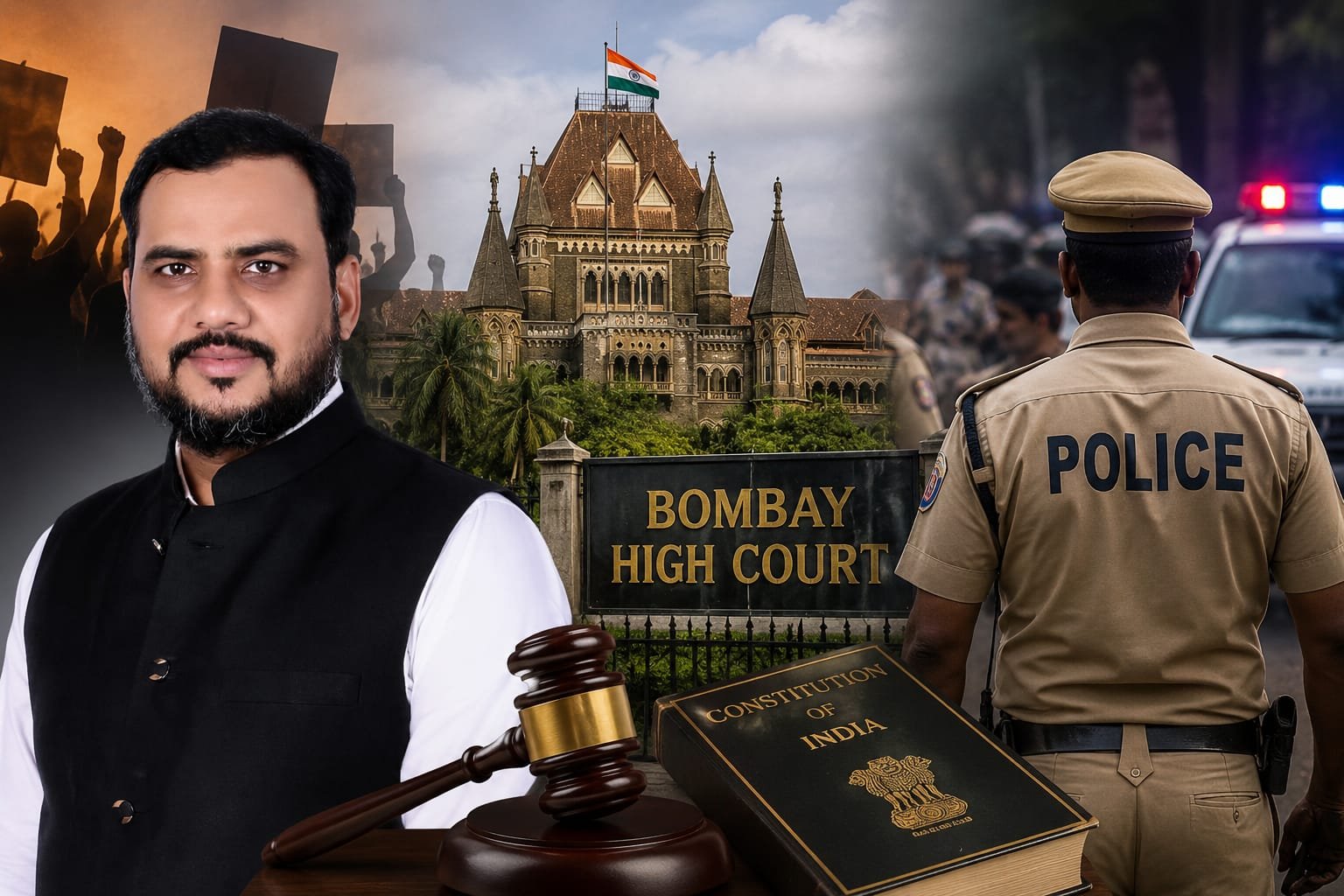



A sessions court in Mumbai on Monday warned nine students of the Tata Institute of Social Sciences (TISS) that the FIR filed against them in connection with a memorial event for former Delhi University professor and human rights activist G.N. Sai Baba could have serious consequences for their careers.
Addressing the students, Additional Sessions Judge Manoj B. Oza said, “Your criminal record has now been created. This will not only remain here but will be recorded across the country. You have made a major decision at this age, and it will affect your future. Your career could be ruined.”
The judge also questioned how many students were from outside Maharashtra and whether their families were aware of the case. The court warned that prospects of securing government jobs could be almost eliminated and even opportunities in the private sector could be affected.
The controversy stems from an event held on 12 October 2025 at TISS’s Deonar campus in Mumbai, where students marked the first death anniversary of G.N. Sai Baba.
The FIR registered by Trombay Police alleges that the event was unauthorized. The students are charged with “holding an illegal assembly,” “inciting hostility between groups,” and “acts against the integrity of the nation.” Police also seized the students’ mobile phones and laptops.
G.N. Sai Baba was a former Delhi University professor and human rights activist. He was arrested by Maharashtra Police in 2014 under the stringent provisions of UAPA, but the Bombay High Court in March 2024 declared the charges under UAPA invalid and ordered his release. Sai Baba passed away on 12 October 2024 due to health complications.
Since the incident, the TISS student community and human rights activists have strongly criticized the police action, stating that the authorities took excessive measures and targeted the students. The university administration has not yet issued any comment on the matter.
The court has granted the students interim protection from arrest. The next hearing is scheduled for later this month, where anticipatory bail will be discussed.
Experts say the case raises questions not only about students’ freedom of expression but also about the nature of administrative control over political and social activities within academic institutions.