

Tensions escalated in Murshidabad district of West Bengal after the body of a local migrant worker from Jharkhand was found under suspicious circumstances. Villagers blocked a national highway and railway tracks for several hours, disrupting communication between Kolkata and North Bengal and causing long queues of passenger and commercial vehicles.
The incident occurred in the Beldanga area when the body of 30-year-old Alauddin Sheikh, a resident of Kumarpur Gram Panchayat in Sujapur, was found hanging in his rented room in Jharkhand, where he had been working for the past five years. Police initially ruled the case as suicide, but the family and local residents strongly protested, alleging it was murder.
The family claimed that Alauddin was beaten and strangled, and his body was later hung to make it appear as a suicide. Villagers said he was repeatedly harassed because he was Bengali and was derogatorily referred to as a “Bangladeshi.” Prior to his death, Alauddin had reportedly informed his family over the phone that he felt threatened and was unable to leave his room safely.
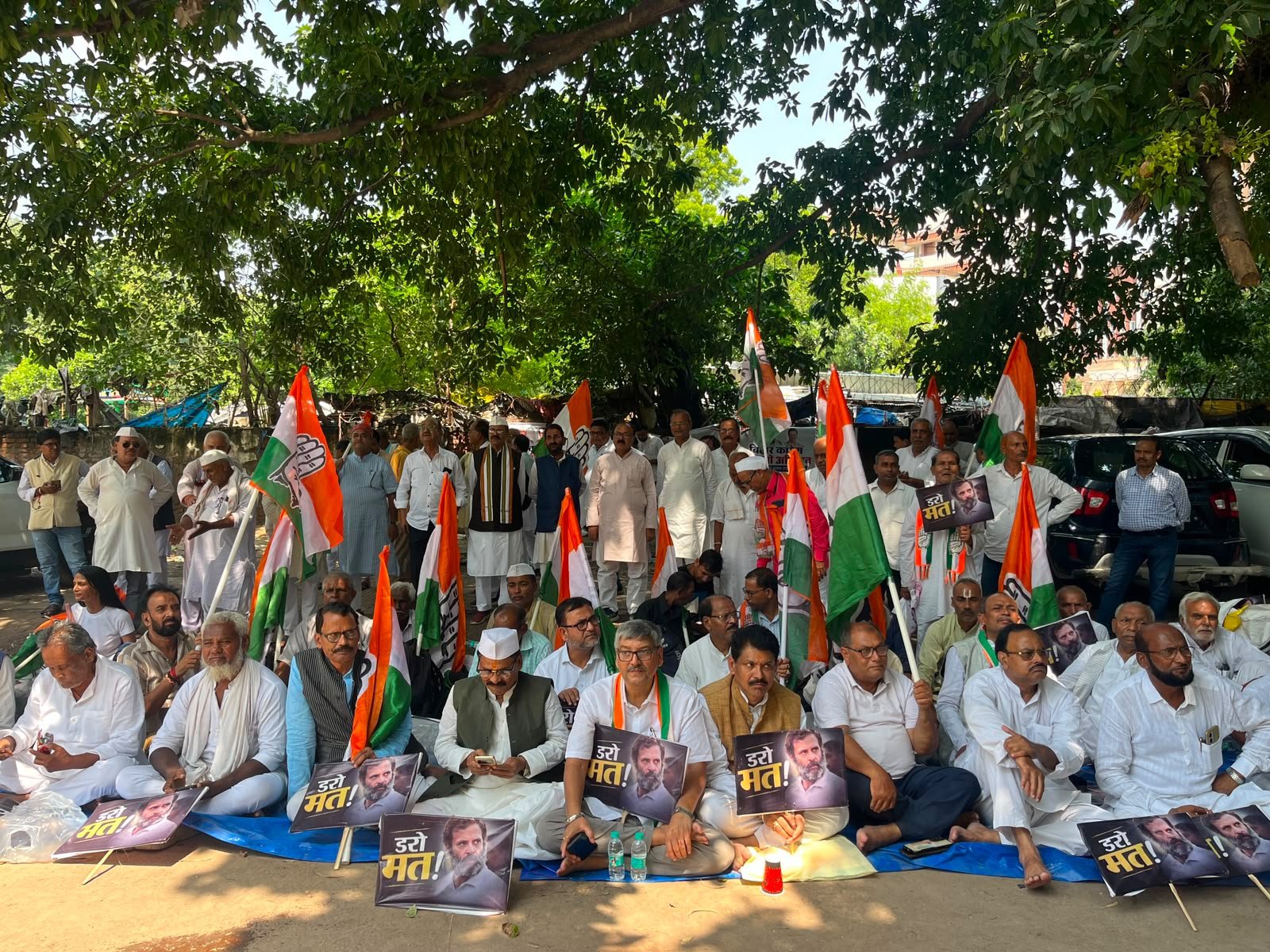
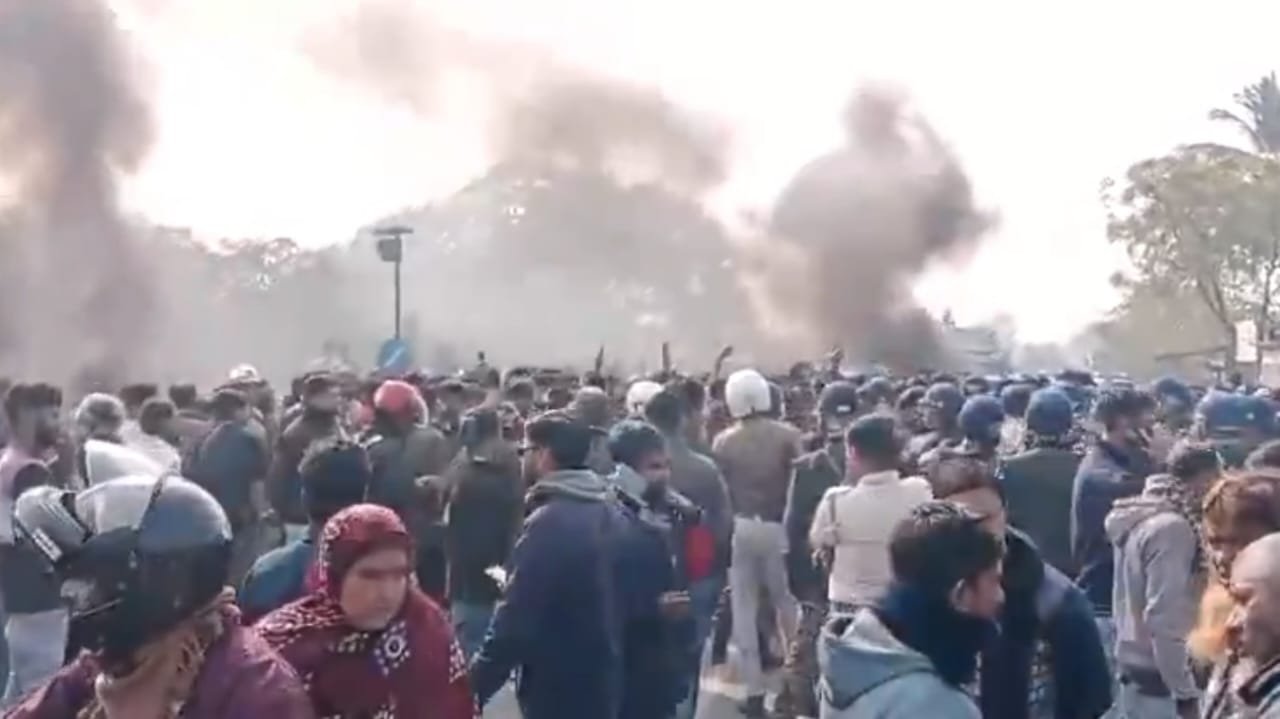
When the body reached his native village, locals, angered by the circumstances, blocked the national highway by burning tires and obstructed railway tracks with wood. Traffic on both road and rail was disrupted for five to eight hours, causing serious inconvenience to passengers and commercial activities. Many travelers were stranded in trains and buses. Police attempted to control the situation, but the protests had already grown violent.
During the unrest, some police vehicles and information centers were damaged. At least 12 people, including journalists, were injured. A female reporter and her cameraman reportedly faced an attack and were treated at a local hospital.
Local administration and the Inspector General of Police engaged with protestors to restore calm, eventually reopening the railway and road routes. The district Superintendent of Police and magistrate assured that a thorough investigation into the alleged murder would be conducted, strict action would be taken against the perpetrators, and justice would be provided to the victim’s family.
The incident has also drawn political attention. Senior leaders from the Congress and Trinamool Congress met the family and appealed to the Jharkhand Chief Minister to ensure a serious investigation. Other political parties questioned the state administration’s handling of the matter.
The Chief Minister called for maintaining peace, stating that the government stands with the victims but emphasized that politics should not override law and order.
This case has gone beyond a single suspicious death, raising broader national debates about the safety of migrant workers, identity-based discrimination, and social tensions. Even after the streets of Murshidabad returned to normal, local residents continue to demand swift justice from the courts and administration.