

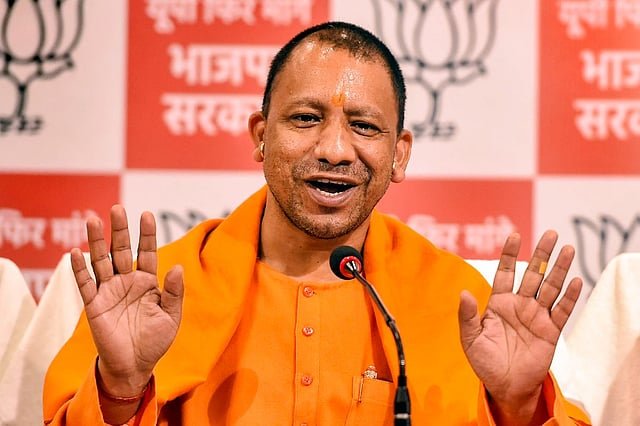
A comment by Uttar Pradesh Chief Minister Yogi Adityanath in the state assembly has ignited a political and constitutional controversy. Targeting the opposition on the assembly floor, the Chief Minister said that after the government’s action, the opponents “would not even be left fit for Fatiha,” triggering sharp criticism. The opposition described the remark as threatening, unconstitutional, and offensive to religious sentiments.
The remark came during a discussion on the alleged misuse of codeine-based cough syrup. Addressing the Samajwadi Party and other opposition members, Adityanath said the government’s action “will reach its final stage,” and many would go to recite Fatiha, “but we will not leave you even fit to recite it.”
Fatiha, the first chapter of the Quran, is recited by Muslims during prayers and as a supplication for the deceased. Using this religious symbol on the assembly floor to threaten the opposition has drawn criticism. The opposition argued that this is not only a breach of parliamentary decorum but also a grave misuse of a constitutional position to politicize a minority religious tradition.
Leader of the Opposition, Mata Prasad Pandey, strongly condemned the Chief Minister’s remark, saying,
“His language is unbecoming of his office. We were raising questions about governance and accountability, but the Chief Minister chose to respond with threats and religious references instead of facts.”
Pandey added that dragging religious faith into political debate undermines the dignity of the assembly and promotes fear and polarization in democratic discourse. Following this, Samajwadi Party MLAs staged a walkout from the assembly.
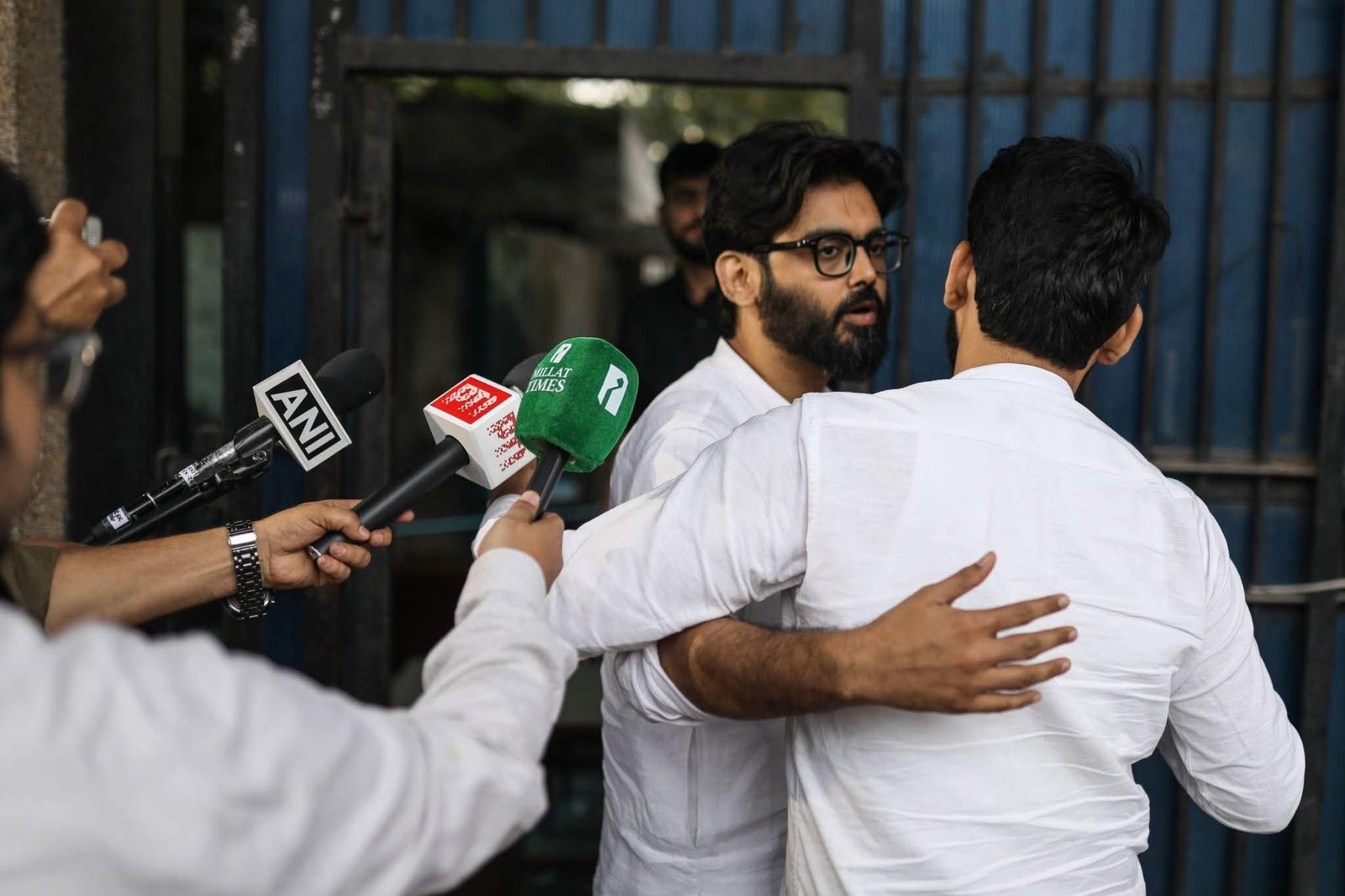
Lucknow-based lawyer Areeb Uddin told Insaaf Times that the remark was highly objectionable.
“A sitting Chief Minister signaling that people will not even be allowed last rites reflects a dangerous mindset. When this imagery draws from a minority religious tradition, it fuels fear and marginalization.”
He further said that the statement violates Article 25 of the Constitution, which guarantees religious freedom, and Article 21, which guarantees the right to a dignified life and death.
“Words spoken by a constitutional functionary carry more weight than ordinary speech. When those words invoke death and religious identity, they legitimize hostility rather than law,” he added.
The Chief Minister’s remark has stirred political tensions in the state. While the opposition sees it as an attack on constitutional propriety and secularism, the ruling party has yet to issue any formal apology or clarification.
The question remains: Is such language acceptable on the floor of the highest democratic forum? And should those at the apex of power not recognize the constitutional and social responsibility that comes with their words?