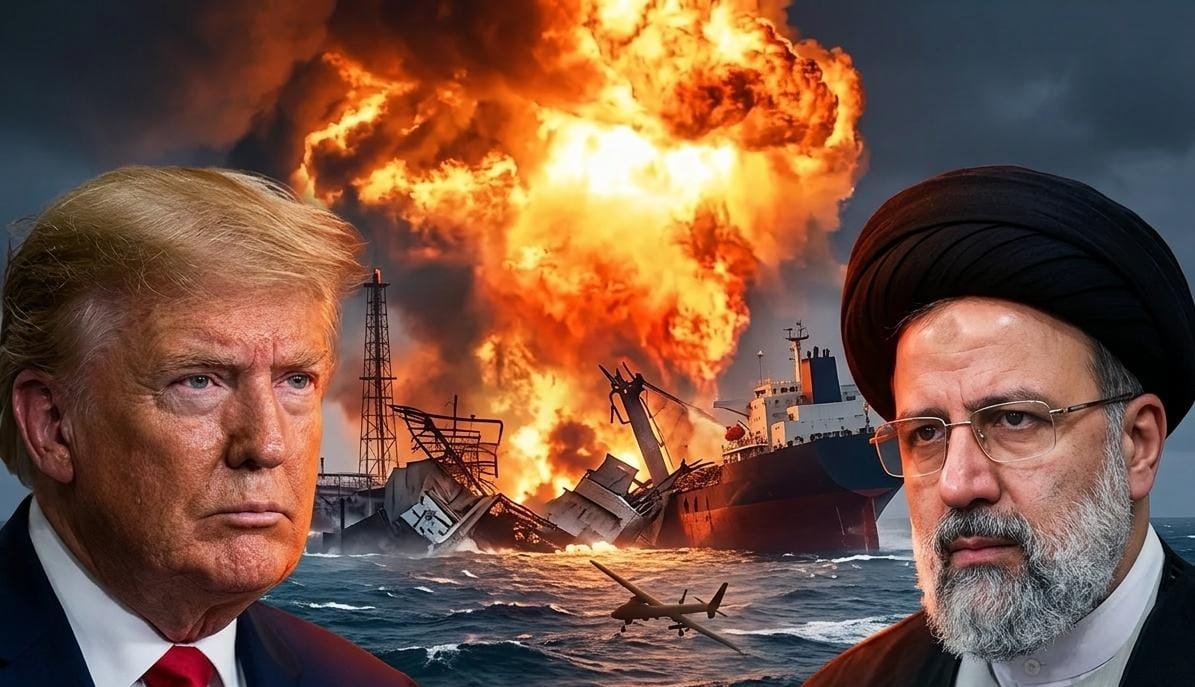


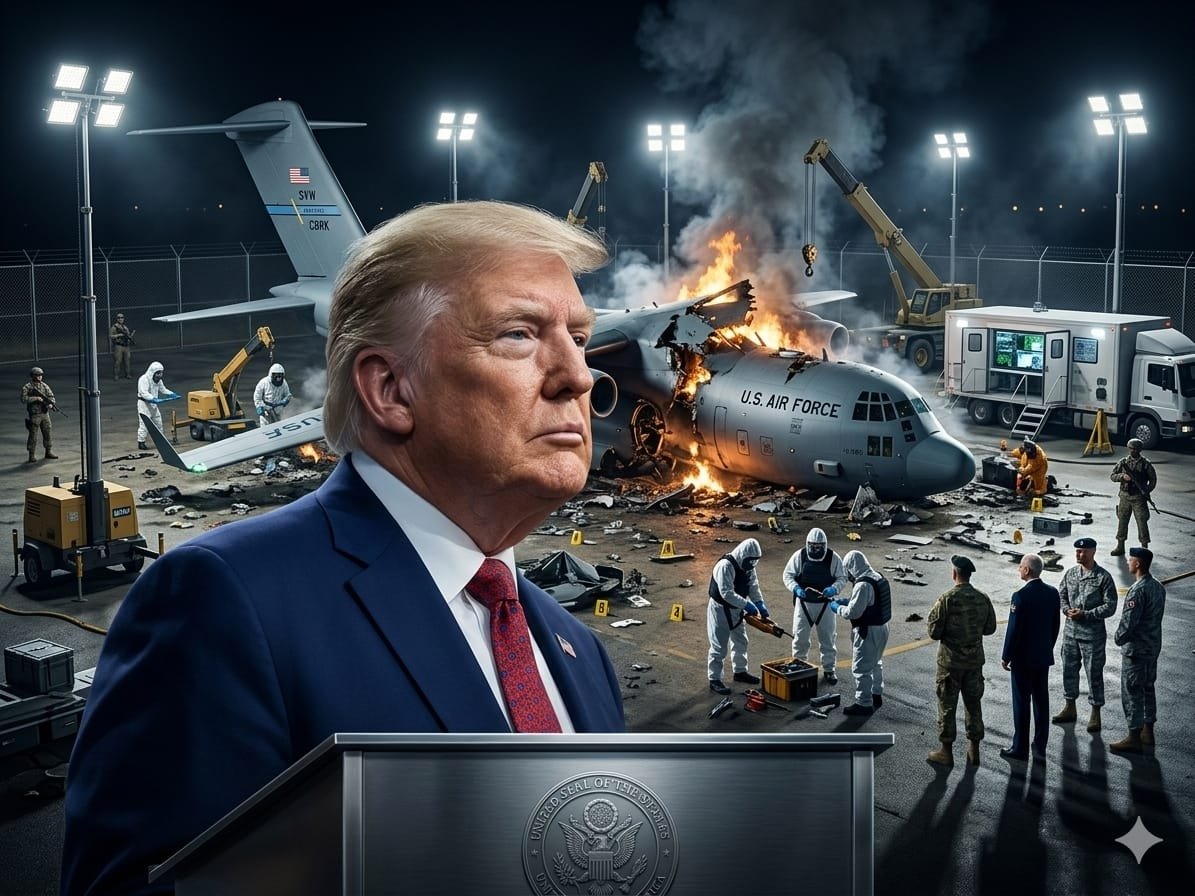
Amid the ongoing conflict in the Middle East between the United States and Iran, a significant incident has emerged that has further intensified concerns about the seriousness of the war. The U.S. military’s advanced stealth fighter jet, F-35 Lightning II, was reportedly struck by suspected Iranian fire, forcing it to make an emergency landing. This development comes as the military confrontation between the two nations enters its third week.
According to U.S. military officials, the aircraft was on a combat mission over Iran when it came under attack. While it remains unclear what type of weapon was used, initial reports suggest the involvement of Iranian air defense systems.
A spokesperson for United States Central Command (CENTCOM), Captain Tim Hawkins, confirmed that the jet landed safely and that the pilot is unharmed. He added that a detailed investigation is currently underway and that it would be premature to draw conclusions at this stage.
An attack on a highly sophisticated aircraft like the F-35 is considered a major development. Known for its stealth capabilities, advanced sensors, and cutting-edge weapons systems, the jet is designed to evade enemy radar and operate in high-risk environments. With an estimated cost exceeding $100 million (approximately ₹800–850 crore), it ranks among the most expensive fighter jets in the world. Any damage to such an asset represents not only a military setback but also a significant economic loss.
If investigations confirm Iranian involvement, it would mark the first time the United States officially acknowledges that Iran directly targeted an American aircraft in this conflict. Until now, the U.S. has attributed its losses to accidents or friendly fire. Recently, three F-15 Eagle jets were reportedly downed in Kuwait, while a KC-135 Stratotanker was destroyed in Iraq, which U.S. officials described as a crash that resulted in the deaths of all six crew members.
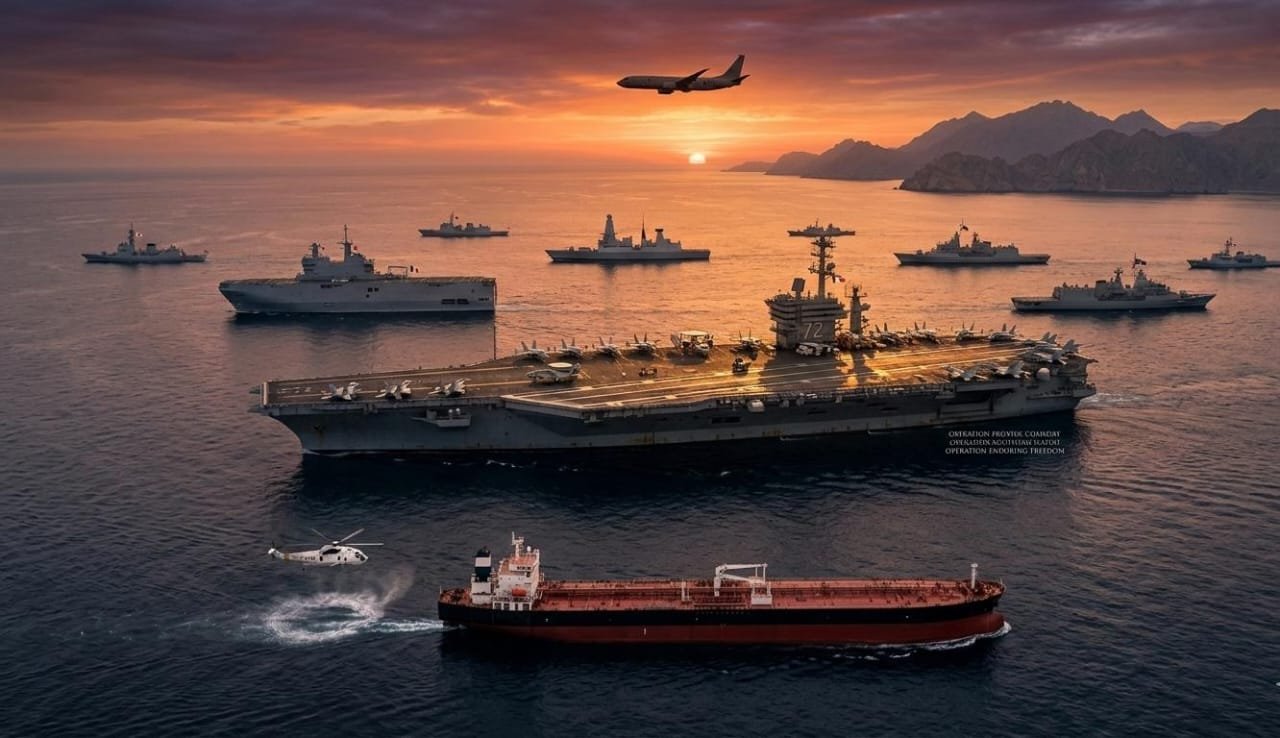
Following this incident, the United States has signaled plans to strengthen its military presence in the region. The 31st Marine Expeditionary Unit is being deployed, and the amphibious assault ship USS Tripoli has been observed moving toward the Middle East. These moves indicate that the U.S. is preparing for potential escalation.
Meanwhile, U.S. Defense Secretary Pete Hegseth has claimed that the United States maintains a “decisive edge” in the conflict and has significantly weakened Iran’s air defense systems. However, the reported strike on the F-35 raises questions about these claims and suggests that Iran may still retain considerable retaliatory capability.
Overall, this incident represents not only a tactical setback but also a strategic signal that the conflict is becoming increasingly complex and dangerous. The direction in which U.S.-Iran tensions evolve in the coming days will be closely watched around the world.