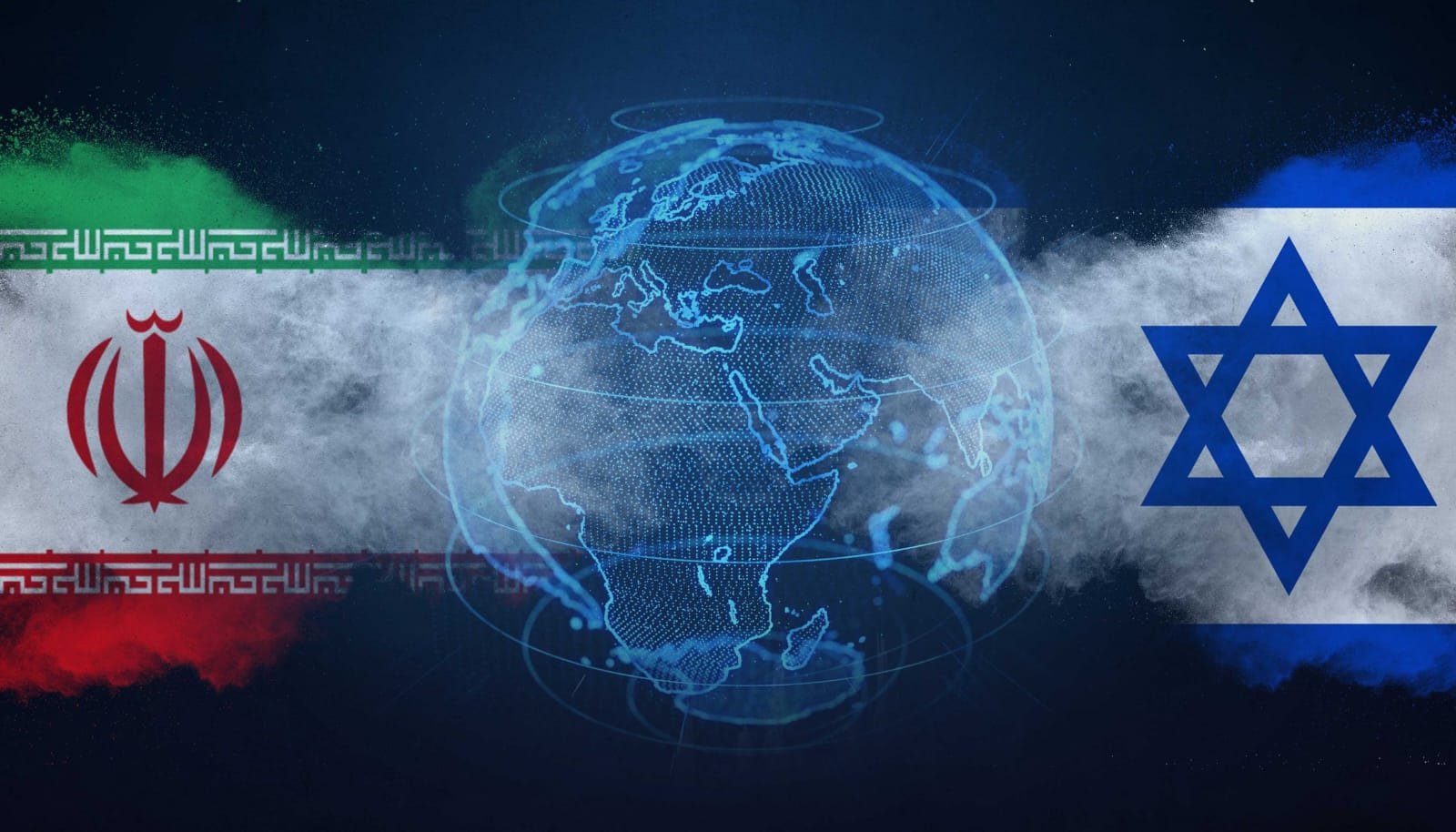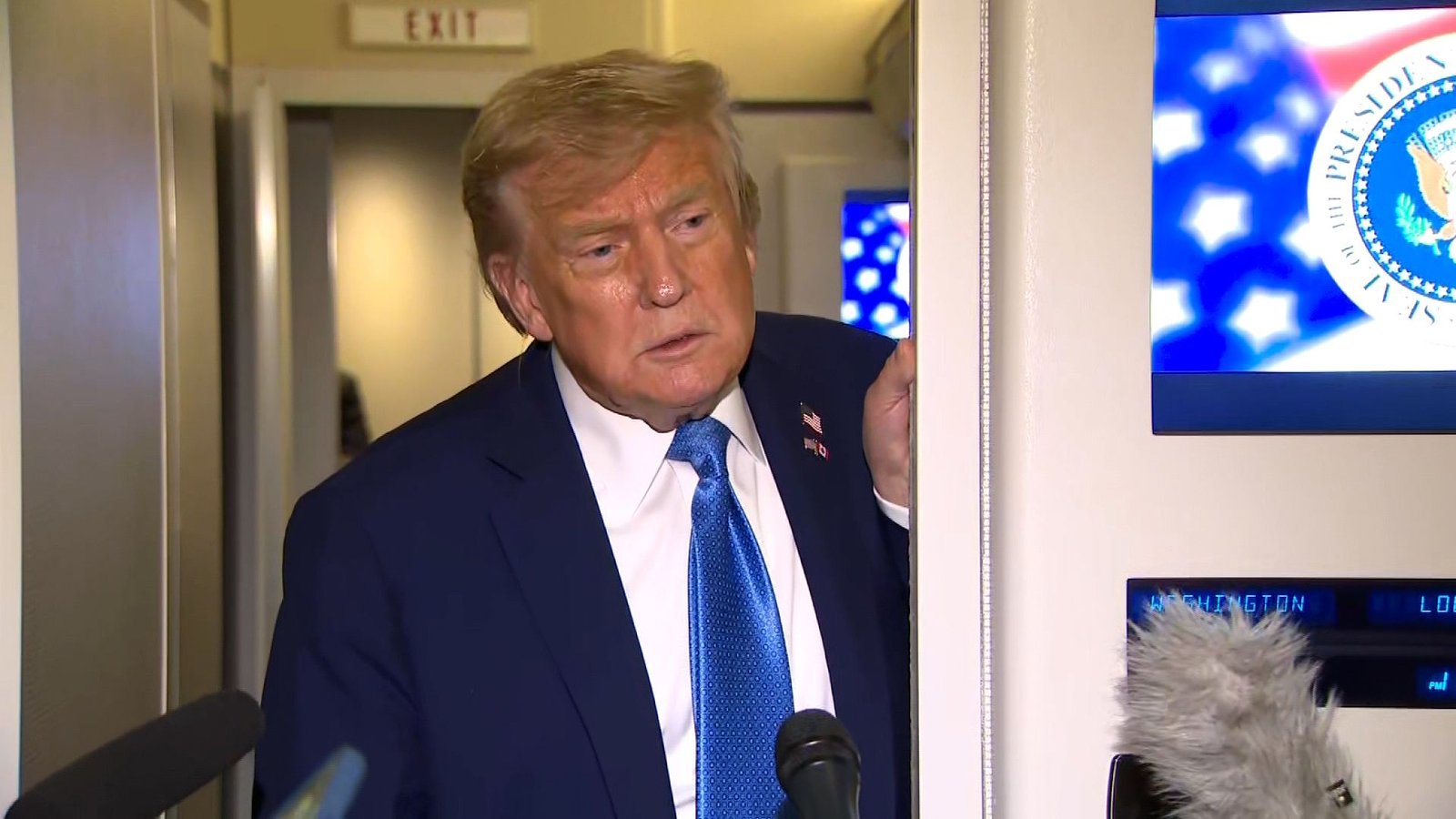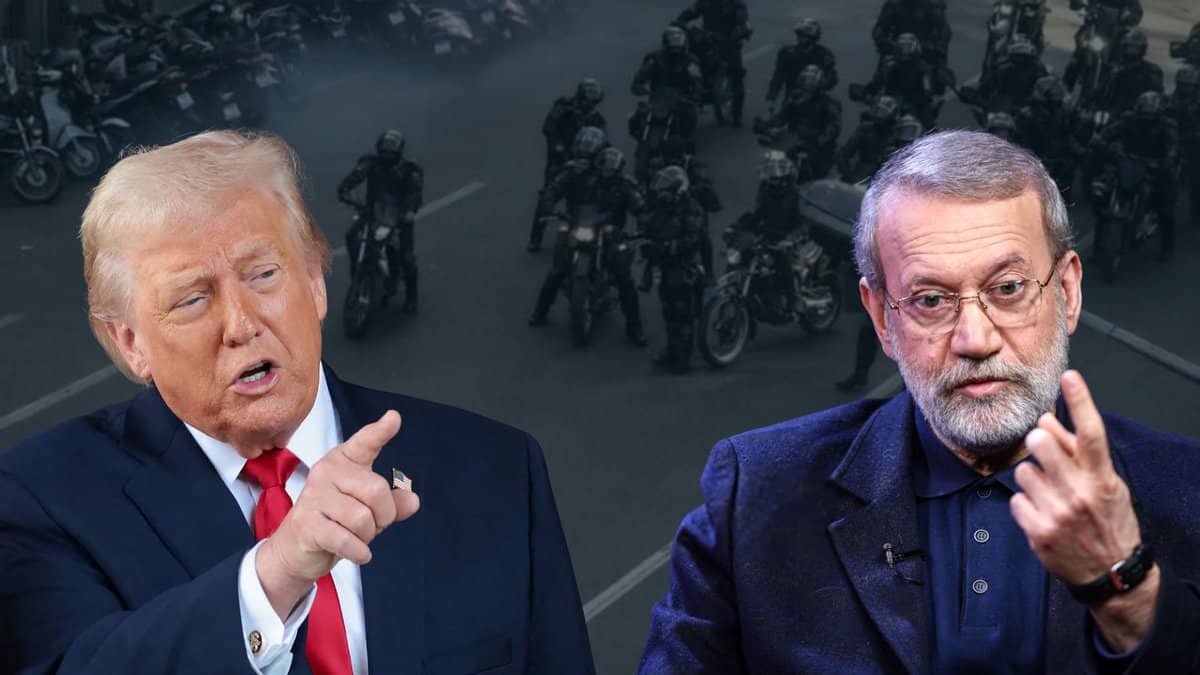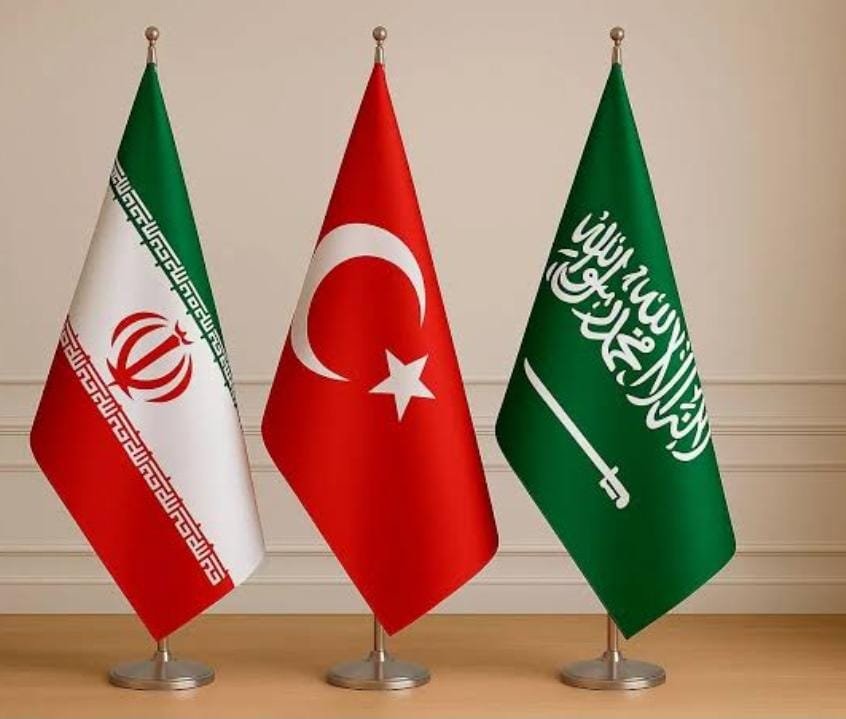

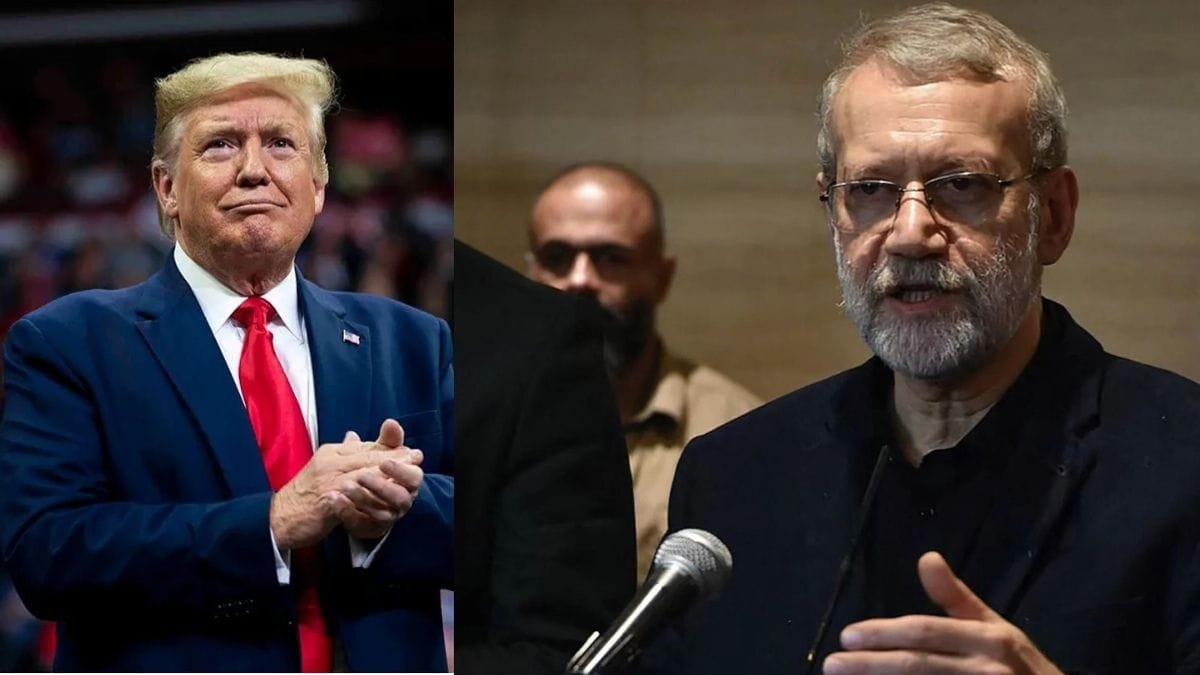
U.S. President Donald Trump has intensified his hardline stance against Iran, publicly backing Kurdish resistance while demanding unconditional surrender from Tehran.
The White House confirmed that Trump contacted leaders in the Kurdistan region, but denied authorizing any direct armed rebellion.
Trump’s Message: No Deal Without Unconditional Surrender
Trump posted on his social media platform, Truth Social, that any agreement with Iran would only be possible after “unconditional surrender.” He added that the United States and its allies would then work to strengthen and stabilize Iran, coining the phrase “MAKE IRAN GREAT AGAIN (MIGA!).”
The President emphasized that U.S. pressure on Iran will continue indefinitely, with no set timeline for a potential agreement until leadership changes occur.
Kurdish Role: Rebellion or Strategy?
The position of Kurdish groups in northern Iraq is complex. According to some reports, thousands of Kurdish fighters are planning operations on Iranian soil.
Mustafa Hijri, a senior Kurdish leader and head of the Democratic Party of Iranian Kurdistan (PDKI), has urged fighters and IRGC personnel to return home and maintain distance from the regime’s military forces.
The Kurdistan Regional Government (KRG) has stated it is not actively involved in any attacks, emphasizing a desire for peace and stability in the region.
U.S. Strategy and CIA Involvement
International sources indicate that the CIA is actively assisting Kurdish groups with arms and preparation for potential insurgency. Analysts suggest the objectives are to:
Divide Iranian security forces from within,
Weaken Iran’s military capabilities,
Intensify U.S.-Israel pressure on Tehran.
However, Kurdish leaders have made it clear they will not engage in fighting without air support and security guarantees.
Broader Impact of the Conflict
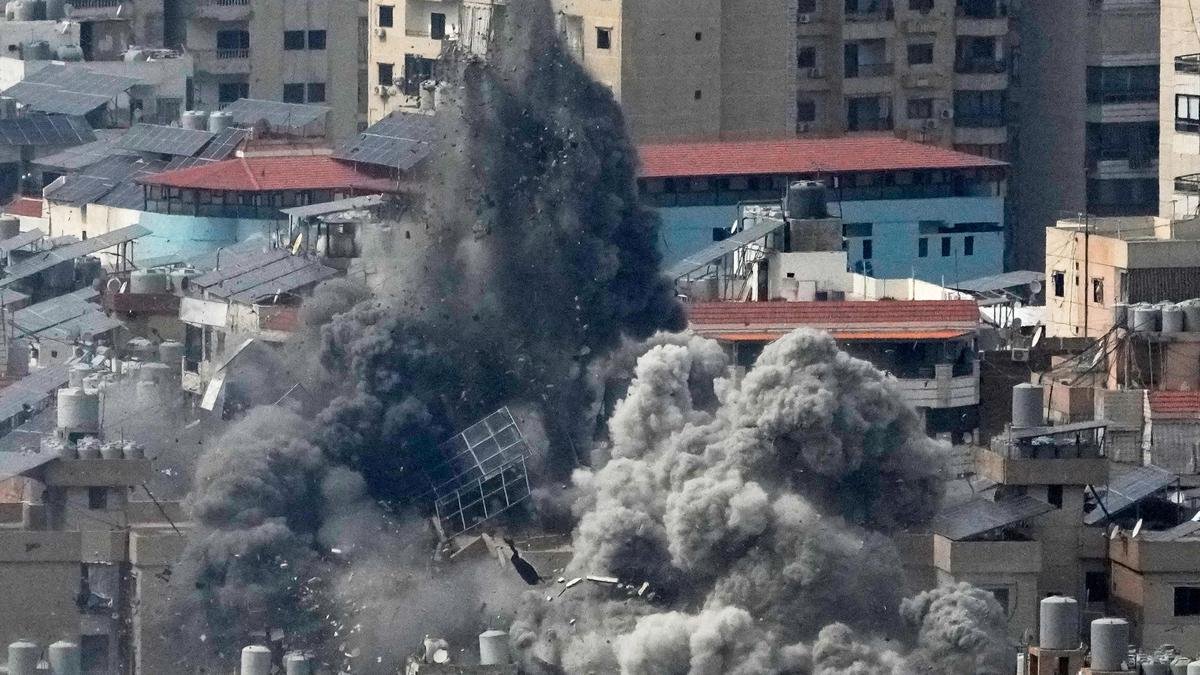
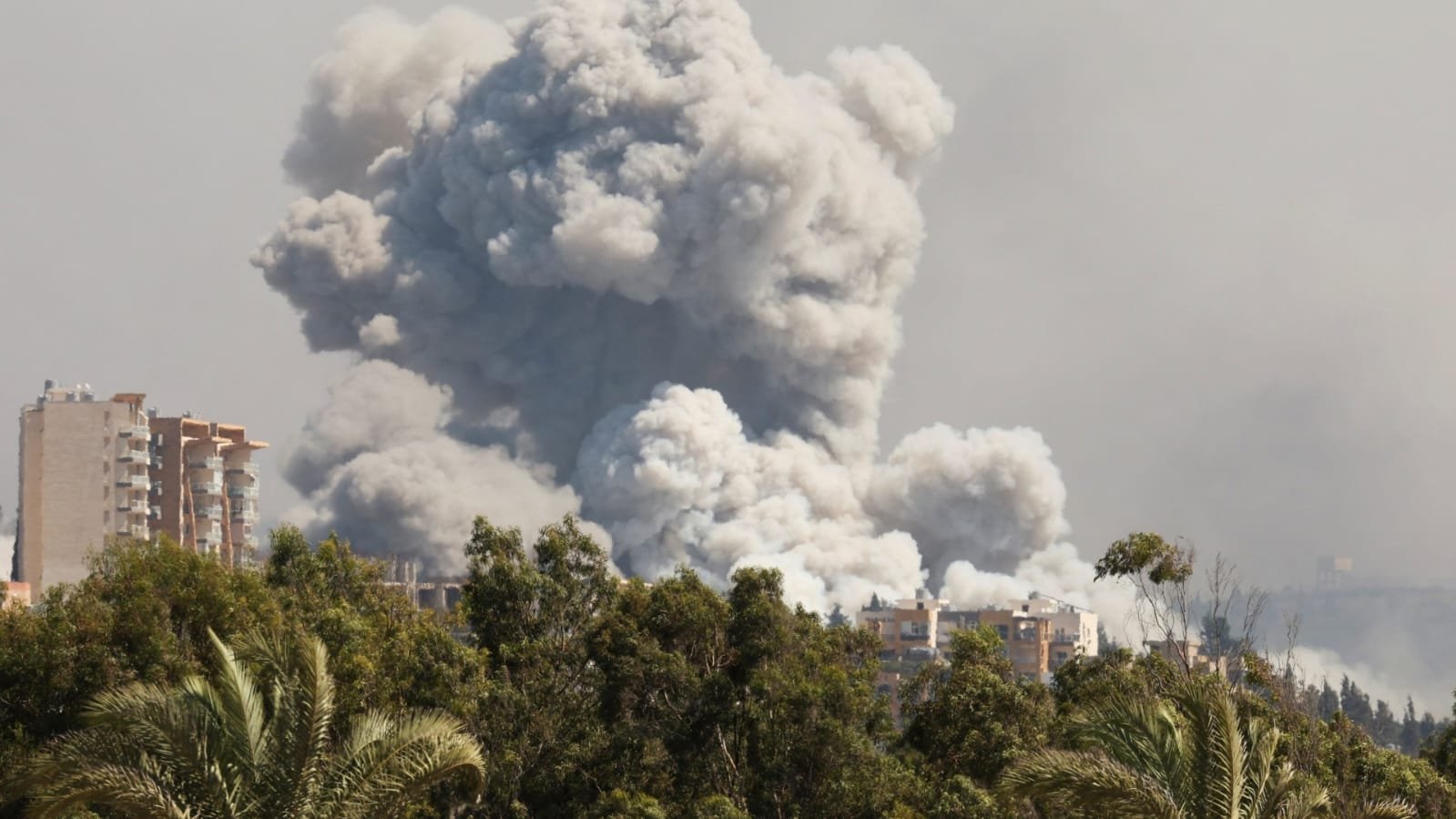
Missile and drone strikes have increased in Kurdish areas and western Iranian provinces. Iran has begun retaliatory actions against U.S. positions and allied groups.
Experts warn that the strategy risks not only escalating military tensions but also deepening political instability across the region.
International Reactions
Spain rejected White House claims that it is cooperating with U.S. military operations, affirming that its Middle East policy remains unchanged.
UK Prime Minister Keir Starmer criticized Trump for lacking a practical plan toward Iran. Former MI6 chief John Sawers told CNN, “This is an unnecessary war; the U.S. faced no immediate threat.” The White House also reiterated that there are no current plans to deploy ground troops in Iran.
Potential Consequences
Direct Kurdish involvement could increase domestic opposition within Iran.
The Iranian military could face internal divisions.
Prolonged regional instability may result.
History shows that local groups backed by major powers often become entangled in political games and are later abandoned.
The U.S.-Iran conflict has now entered a new phase. Trump’s “unconditional surrender” policy, the potential role of the Kurds, and regional reactions serve as warning signals for global politics.