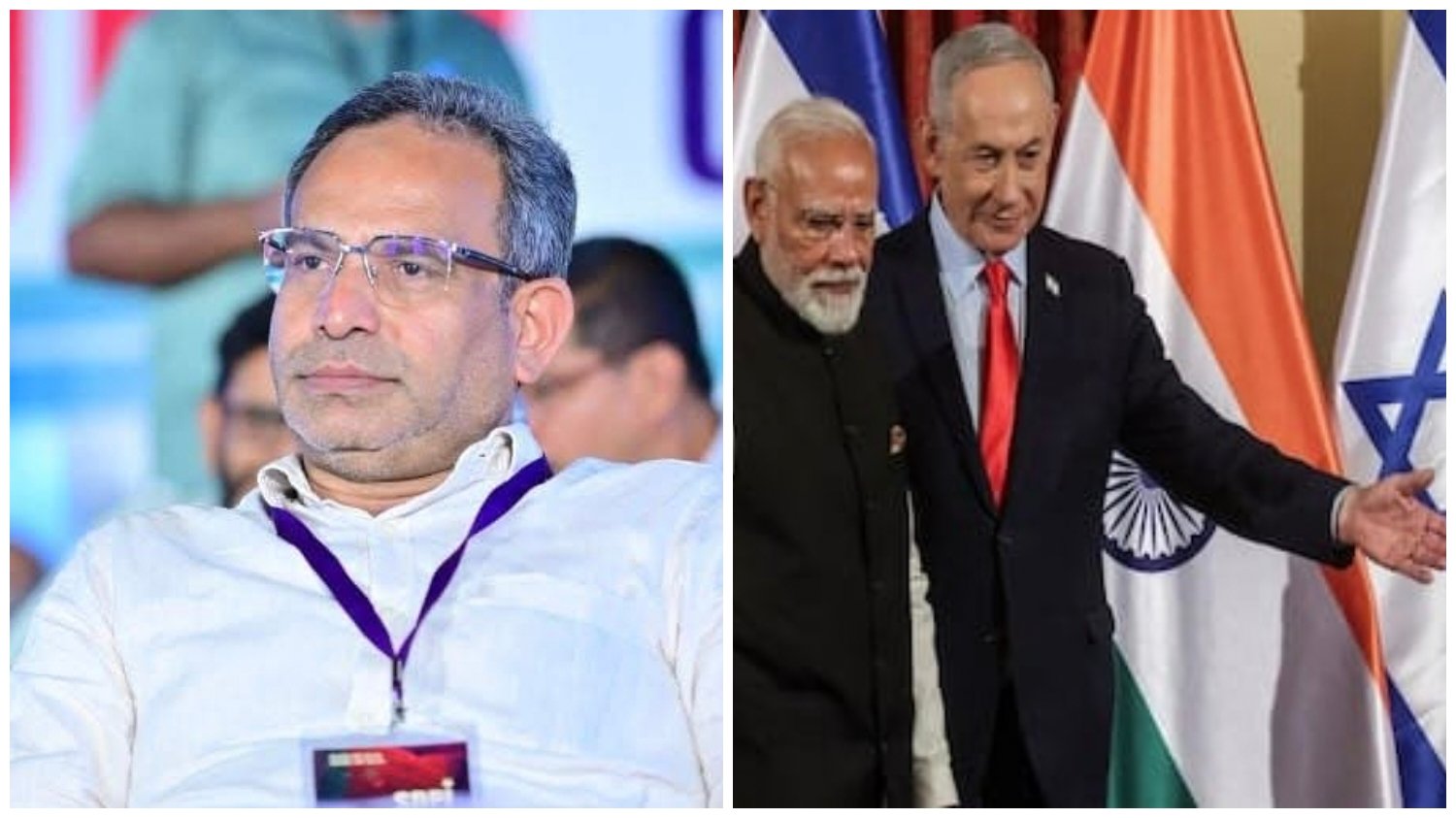


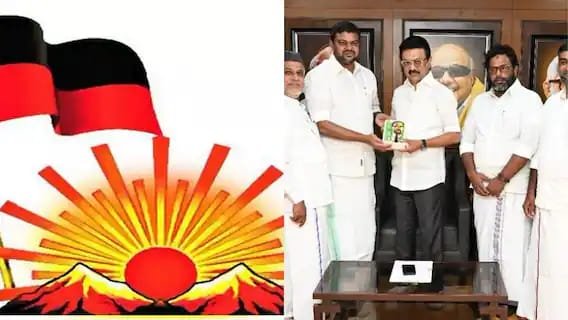
A major political development has emerged in Tamil Nadu ahead of the Assembly elections. The ruling Dravida Munnetra Kazhagam (DMK) has initiated the process of formally bringing the Social Democratic Party of India (SDPI) into its alliance. The party has been invited for seat-sharing talks, with indications that it may be allotted between two and five Assembly constituencies.
According to political sources, discussions are underway at Anna Arivalayam in Chennai between the DMK leadership and its allies, and SDPI’s inclusion is being seen as nearly final. If an agreement on seats is reached, this would mark SDPI’s most significant electoral partnership to date.
It is noteworthy that in the 2024 Lok Sabha elections, SDPI contested the Dindigul seat as part of the All India Anna Dravida Munnetra Kazhagam (AIADMK) alliance but failed to secure a victory. Subsequently, AIADMK strengthened its ties with the Bharatiya Janata Party (BJP). Rather than continuing in an alliance where the BJP had an active presence, SDPI chose to part ways with AIADMK.
Political analysts believe that AIADMK’s growing proximity to the BJP did not align with SDPI’s ideological stance, prompting it to explore a new political alternative.
DMK president and Chief Minister M. K. Stalin has already been working on a strategy to consolidate a broad social coalition. The alliance under his leadership currently includes the Indian National Congress, Viduthalai Chiruthaigal Katchi, Marumalarchi Dravida Munnetra Kazhagam, Communist Party of India, Indian Union Muslim League, and Makkal Needhi Maiam.
SDPI’s potential entry is expected to provide the alliance with additional support in certain constituencies.
Sources indicate that SDPI has staked a claim to specific constituencies. An initial understanding on allocating two to five seats may be reached, although a final decision will only be clear after an official announcement.
The contours of the alliance are likely to become clearer before the election notification is issued. For now, Stalin’s move is being viewed as a strategy that could alter the electoral arithmetic in the state.