

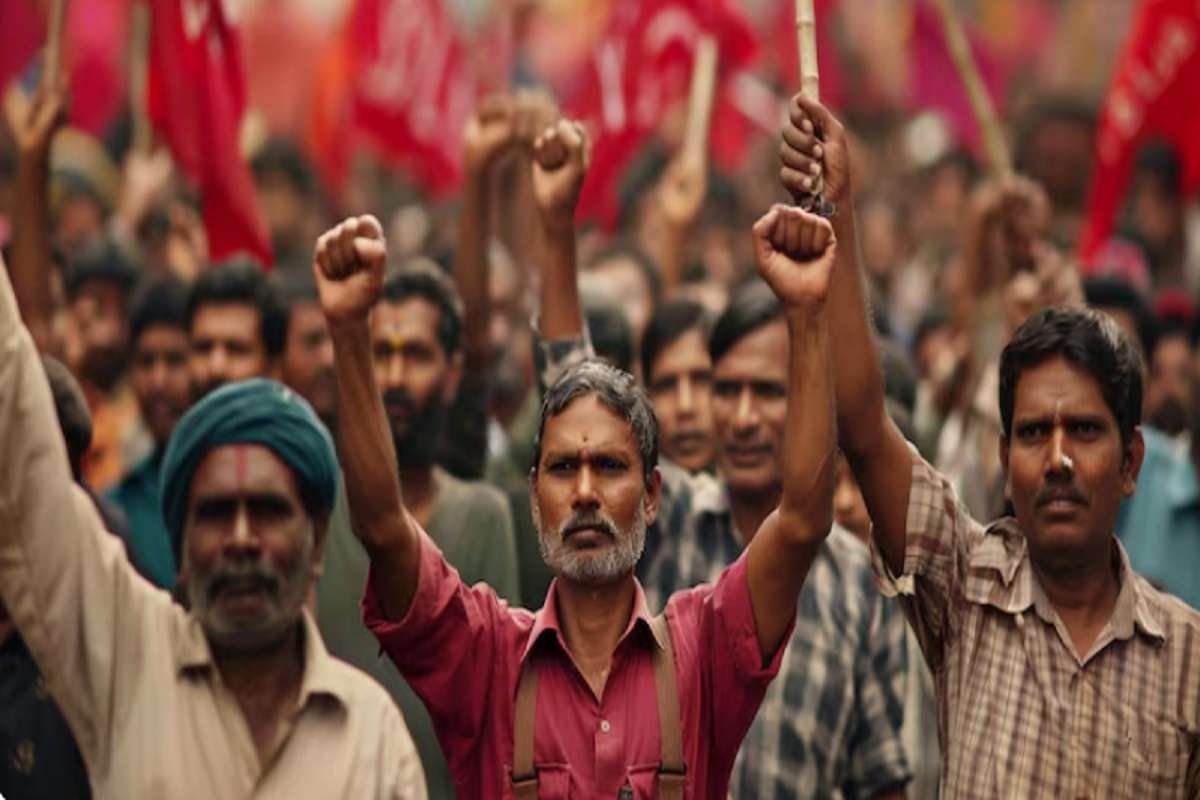
A nationwide general strike called on Thursday by a joint forum of central trade unions and supported by farmers’ organisations witnessed a mixed response across the country. While normal life remained largely unaffected in several States, protests, rallies and instances of road blockades were reported from some regions.
The strike was organised by a joint platform of 10 central trade unions and received backing from the Samyukt Kisan Morcha (SKM) and various farmers’ groups. Organisers claimed that nearly 300 million workers participated in the agitation. They alleged that the Centre’s policies are detrimental to the interests of workers and farmers and are tilted in favour of corporate entities.
Reports of the strike’s impact emerged from States including Odisha, Kerala, Tamil Nadu, Goa, Jharkhand, Chhattisgarh, Madhya Pradesh and Punjab. Public transport services were partially affected in certain areas, while markets, banks and government offices functioned normally in many cities.
In several districts, trade union activists held rallies and staged demonstrations. Road traffic was disrupted at a few locations. However, hospitals, emergency services, railways and air services were not significantly impacted, and essential services continued to operate as usual.
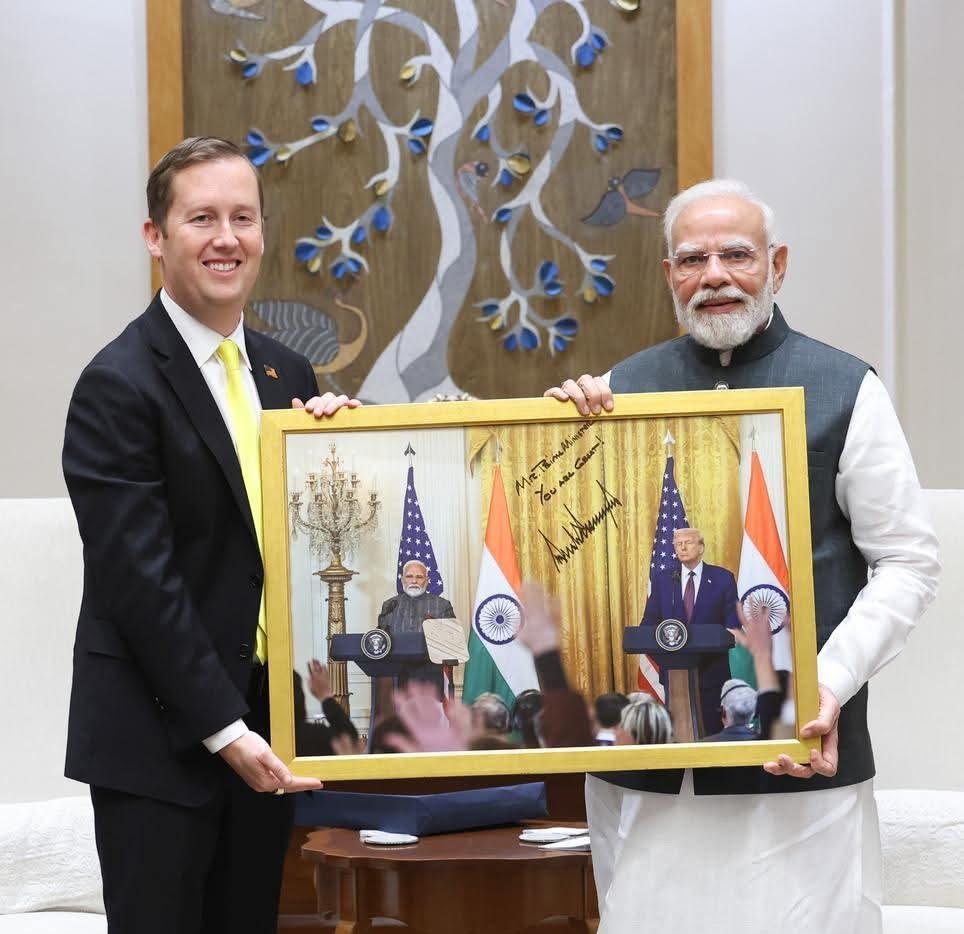
Key demands raised in support of the strike included the withdrawal of the four new labour codes, opposition to the proposed India–US trade agreement, a halt to the privatisation of public sector undertakings, and strengthening of social security measures for workers and farmers. Farmers’ organisations expressed concern that the proposed trade deal could adversely affect the agricultural sector and rural economy.
Authorities had tightened security arrangements in several States in anticipation of possible disruptions. Additional police personnel were deployed in sensitive areas, and administrative measures were taken to maintain traffic flow and public order.
Overall, while many parts of the country reported normalcy, the strike’s impact was clearly visible in certain regions.