

Long-simmering tensions in the Middle East escalated into open conflict on Saturday. Immediately following joint U.S.-Israeli attacks, Iran launched a decisive response. Missiles and drones are no longer limited to Israel but have also targeted American and allied facilities in Gulf countries, deepening the region’s security crisis.
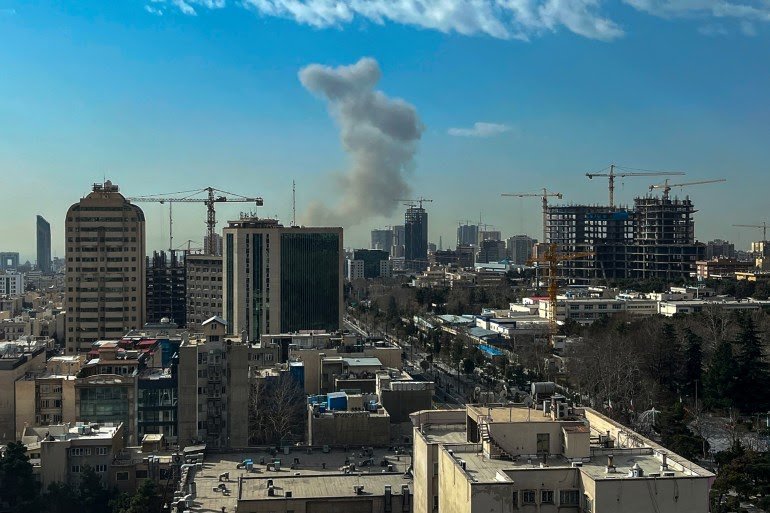
On Saturday morning, U.S. and Israeli forces launched air and missile strikes on Iran. Loud explosions were reported in Tehran, Isfahan, and Karaj. Israel declared a state of emergency and urged civilians to stay in secure shelters.
Iran announced it would deliver a “heavy and decisive response.” An official statement declared Israeli and U.S. facilities legitimate targets. Missile and drone strikes were activated. In Israel, air raid sirens sounded and the country’s air defense systems were fully operational.
Gulf countries also experienced attacks. Bahrain’s U.S. Navy Fifth Fleet Headquarters was targeted, while missiles near Qatar’s Al Udeid Air Base were intercepted. Explosions and alerts were reported near Abu Dhabi in the UAE, and airspace was closed. Missile flights were observed over Kuwait, and alerts were issued. Saudi Arabia did not report direct attacks but raised its security alert level.
Iran, Qatar, Bahrain, UAE, and Kuwait have placed their airspace on closure or alert mode. Sirens and missile interception systems remain fully operational. The U.S. and other nations have warned civilians to remain in safe locations.
Experts warn that the conflict could escalate from limited clashes into a broader regional war. Missile and drone attacks have effectively turned Gulf countries into an active theater of conflict. Saudi Arabia and other nations remain on high alert, and diplomatic solutions currently appear unlikely.
This conflict is no longer confined to Israel. Attacks on U.S. facilities in Gulf countries, airspace closures, and siren alerts have transformed the entire region into a de facto war zone.