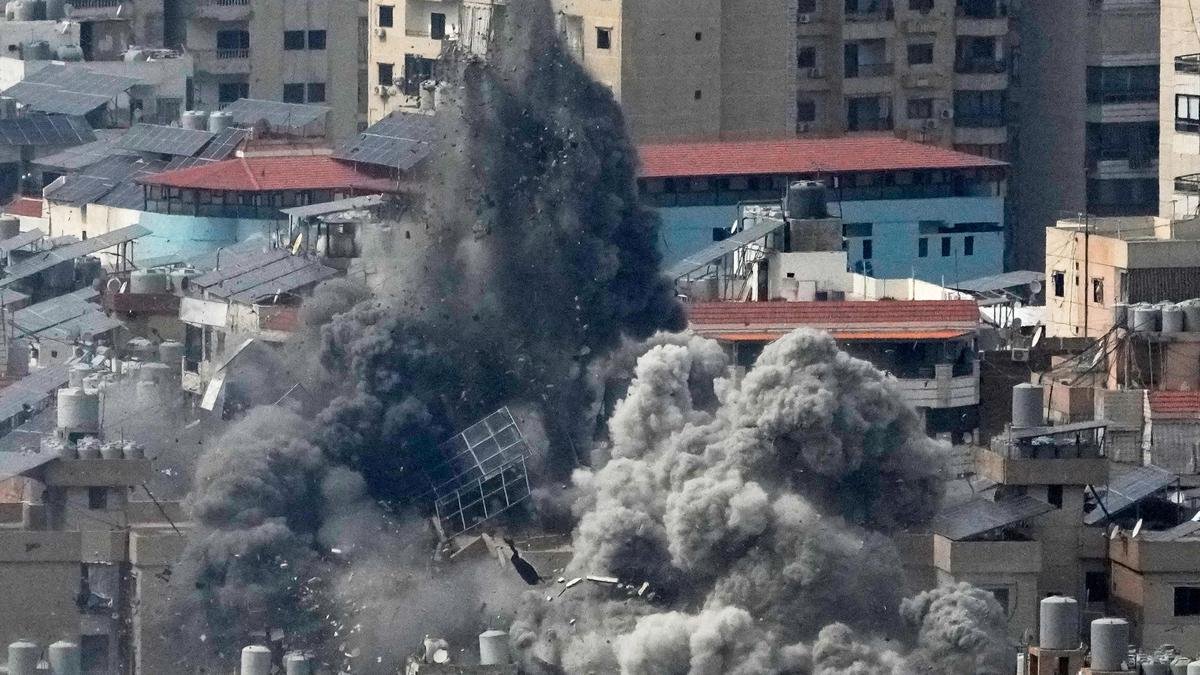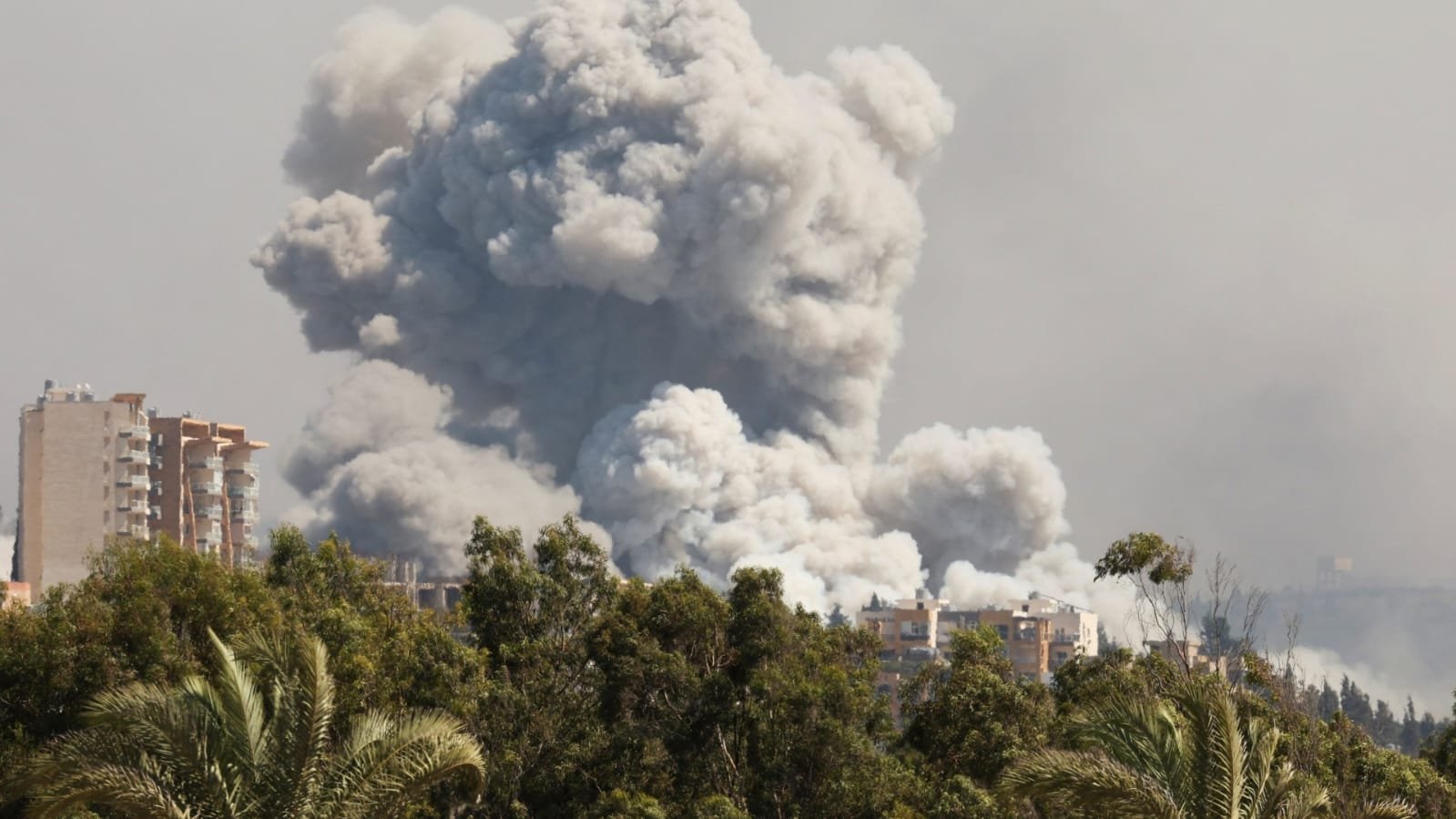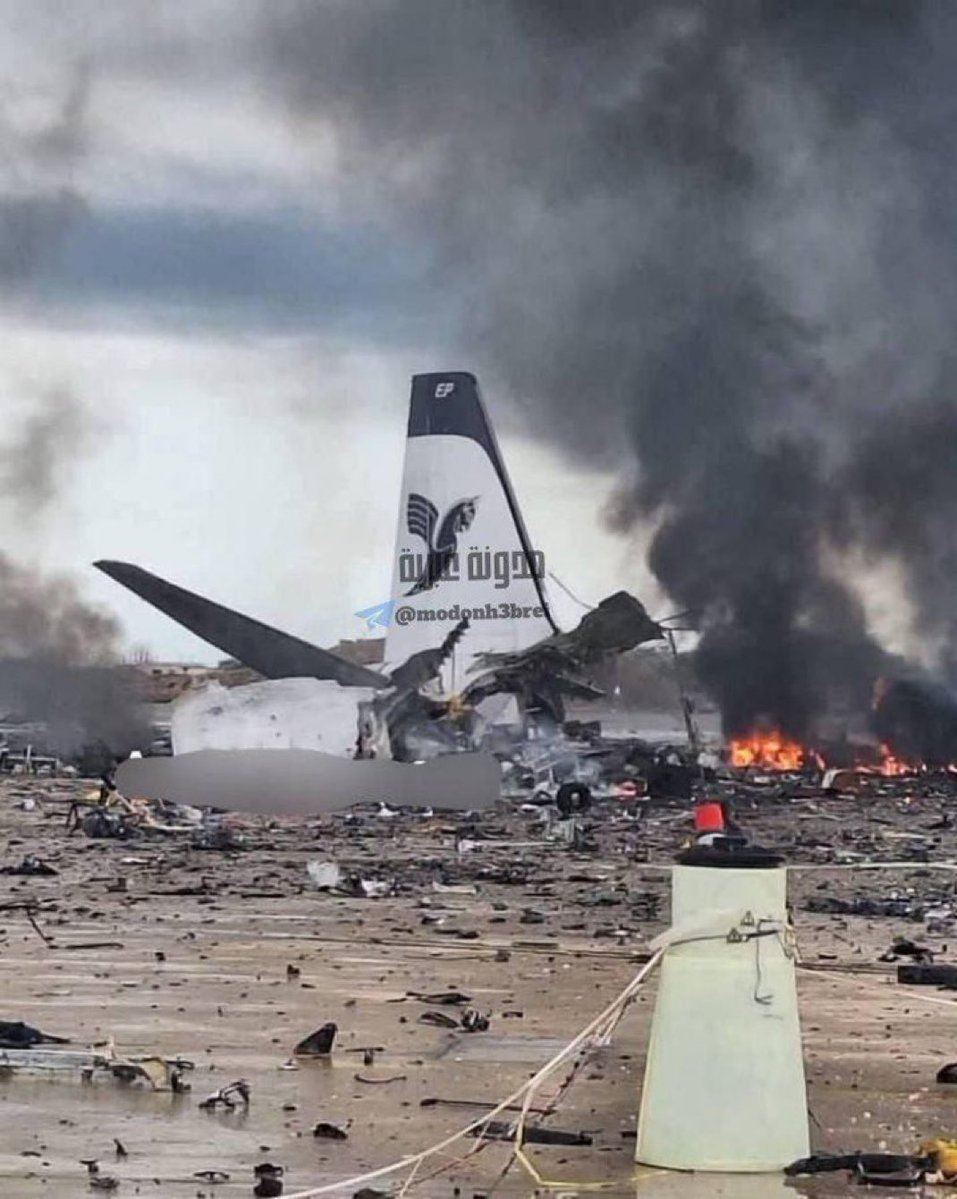


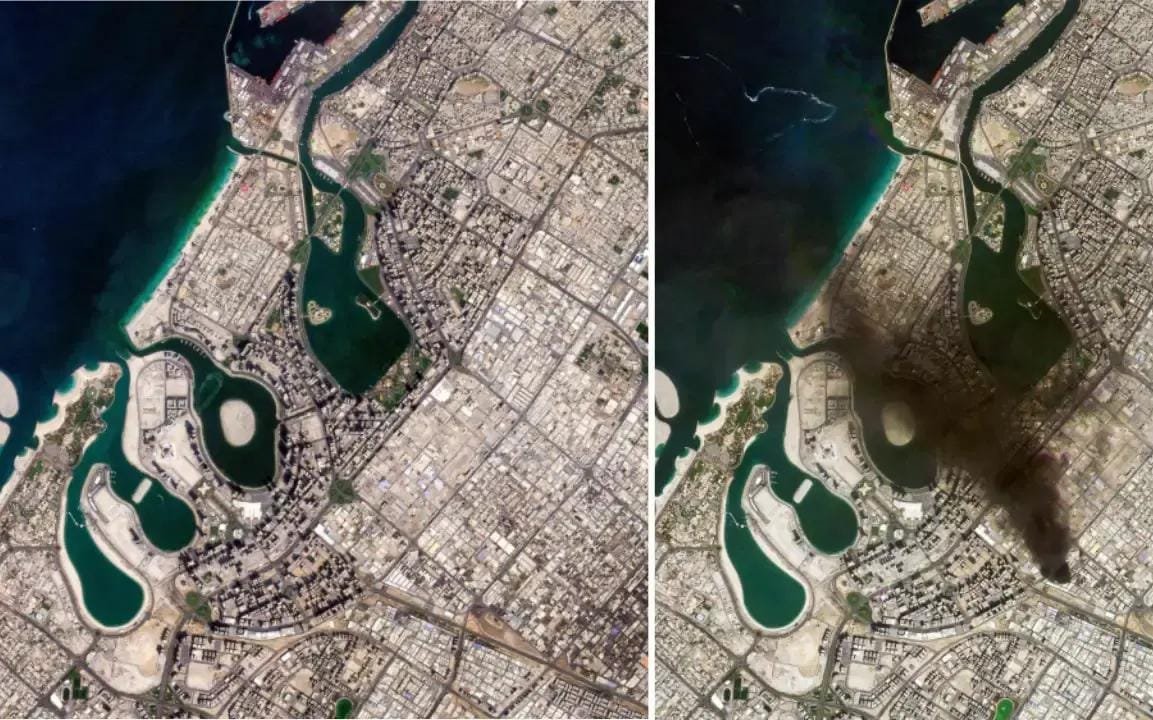
The conflict triggered by attacks on Iran by the United States and Israel is now spreading across the wider Gulf region. In the second week of fighting, Iran’s retaliatory strikes have reached Saudi Arabia, Qatar, the United Arab Emirates, Bahrain, Jordan and Iraq.
Missile and drone attacks have forced several countries to activate air-defence systems, disrupted air traffic and reportedly caused damage to energy facilities.
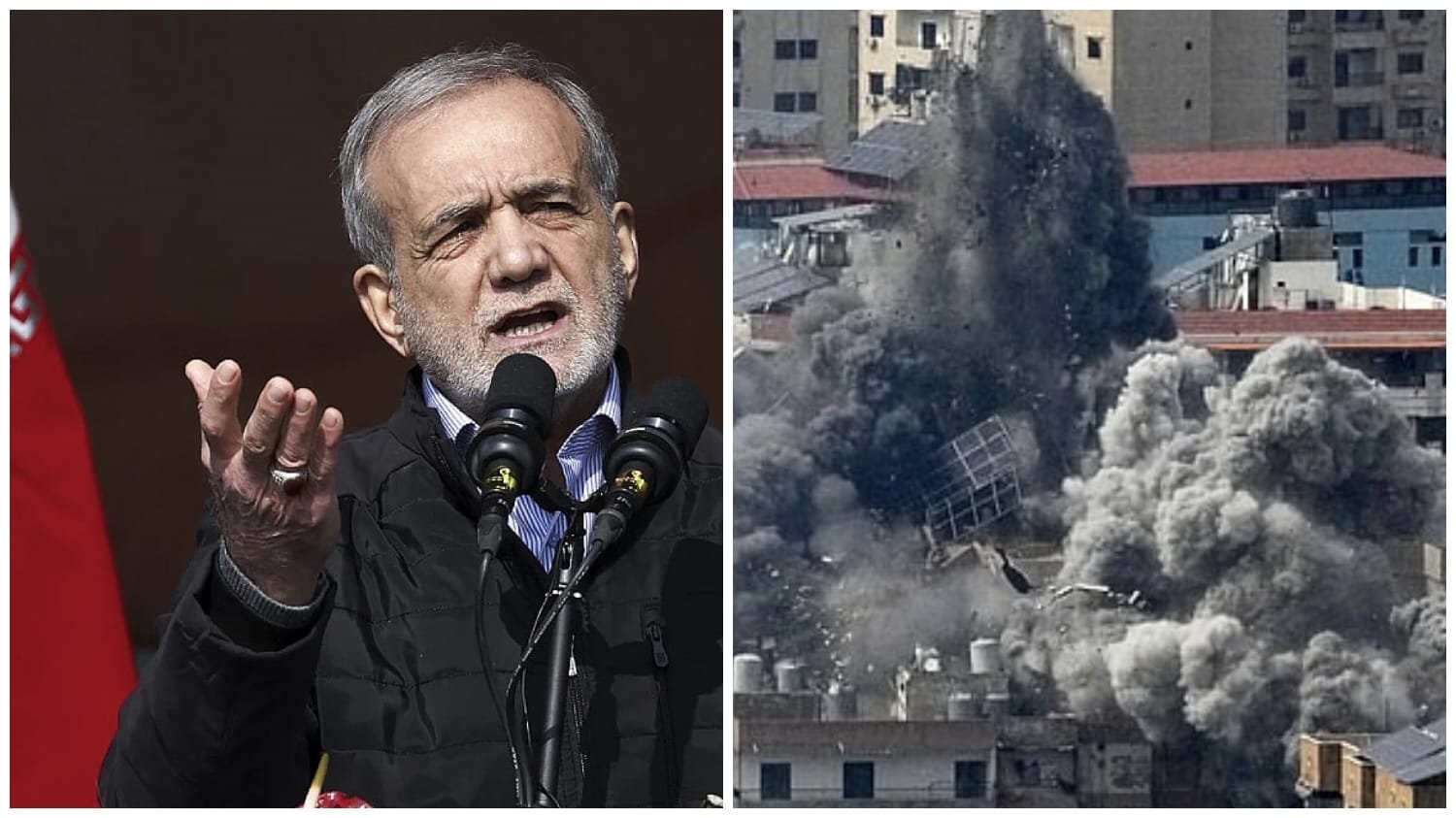
Iranian President Masoud Pezeshkian said on Saturday that Iran would no longer target neighbouring countries unless attacks on Iran were launched from their territory. He also expressed regret to regional states over the recent strikes.
Missile attacks intercepted in Saudi Arabia and Qatar
Saudi Arabia’s defence ministry said two ballistic missiles fired toward the Prince Sultan Air Base in Al-Kharj were intercepted and destroyed mid-air by air-defence systems. Six drones heading toward the Shaybah oil field were also shot down. Another drone was reportedly intercepted in eastern Riyadh.
Qatar’s defence ministry confirmed that it had also intercepted a missile attack on Saturday. A day earlier, nine out of ten drones launched from Iran were destroyed by Qatari air defences, while one fell in a remote area.
Air-defence systems were also activated in the United Arab Emirates. Authorities said debris from intercepted missiles and drones caused a minor incident in Dubai.
Flights disrupted at Dubai airport
Operations at Dubai International Airport were temporarily halted after a drone fell near a runway. Flight-tracking service Flightradar24 reported that several aircraft were seen circling in holding patterns above the airport.
Flights later resumed partially with limited capacity. Qatar also reopened parts of its airspace, allowing only selected flights to operate.
Alerts in Bahrain and Jordan
In Bahrain, security sirens sounded and residents were instructed to move to safe locations. It was the second time within hours that warning sirens had been activated.
A missile was also intercepted over the Jordanian city of Aqaba. The city lies across from Israel’s southern port of Eilat, which Iran has repeatedly targeted since the conflict began.
Claim of strike on US THAAD system in Jordan
Regional media reports claim Iran targeted the radar of a US-deployed Terminal High Altitude Area Defense (THAAD) missile defence system in Jordan. The radar is reported to have sustained damage.
Military experts say such advanced radar systems can cost up to $500 million and play a critical role in tracking long-range ballistic missiles. The claim has not yet been officially confirmed.
Drone strike on oil facility in Basra
In southern Iraq’s Basra province, a drone attack reportedly triggered a major fire at an oil complex operated by foreign companies. Offices and warehouses belonging to Halliburton and KBR were reportedly affected.
Basra is considered a major hub for international energy companies operating in Iraq.
Claims of attack on US base in UAE
Iran’s Islamic Revolutionary Guard Corps (IRGC) claimed responsibility for a drone strike targeting Al Dhafra Air Base in the United Arab Emirates. Reports said the attack aimed at US satellite communications facilities and early-warning radar systems. These claims have not yet been independently verified.
“Abandon dreams of surrender,” Iran says
In his address, President Masoud Pezeshkian said more than 170 cities across Iran had been affected by US and Israeli attacks. He accused them of targeting residential areas, schools and hospitals.
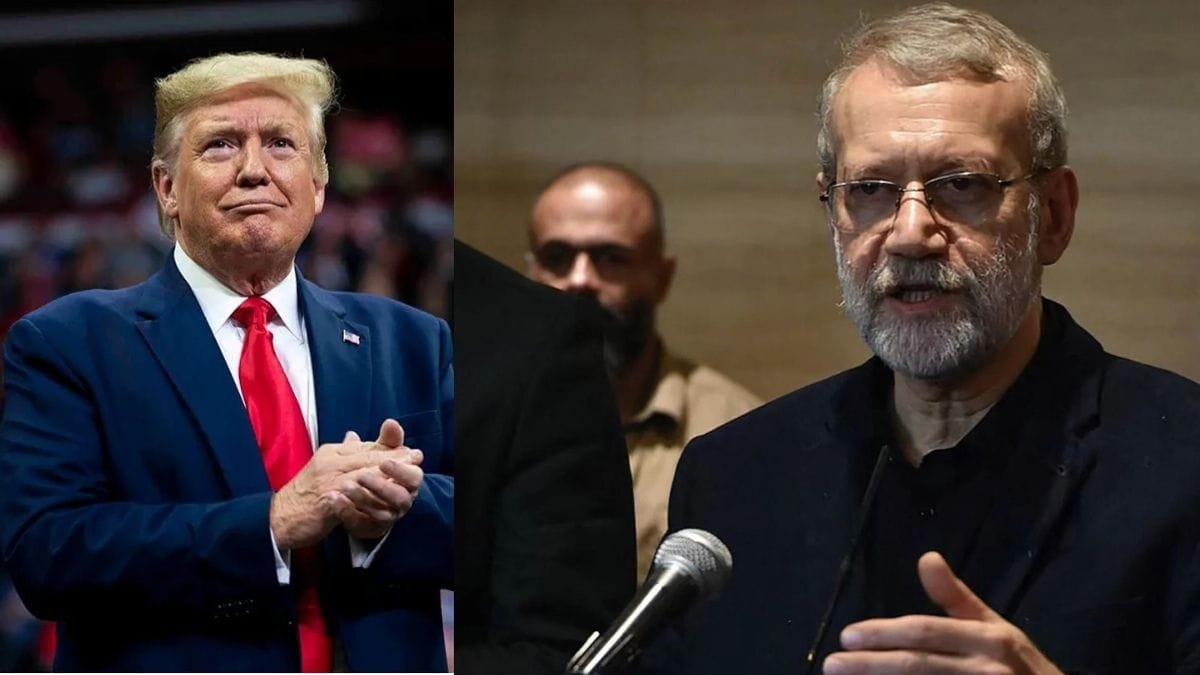
Rejecting US President Donald Trump’s demand for “unconditional surrender,” Pezeshkian said Iran would not take such a step.
Energy market fears grow
Qatar’s energy minister Saad al-Kaabi warned that if the conflict continues for several weeks, oil and gas exports from the Gulf could be disrupted.
Analysts say prolonged fighting could lead to sharp increases in global energy prices and supply disruptions. Experts warn that if the conflict continues to escalate, it could evolve into a wider regional war with serious consequences for the global economy and international security.